
Commercial Solar Panel Installation Birmingham: A Complete Guide for Businesses
Businesses across Birmingham are looking for ways to cut costs and use cleaner power. As electricity prices change, many companies want a better way to manage their energy use. Solar power offers a simple and practical solution. It allows businesses to generate electricity from sunlight and reduce their need to buy power from the grid.
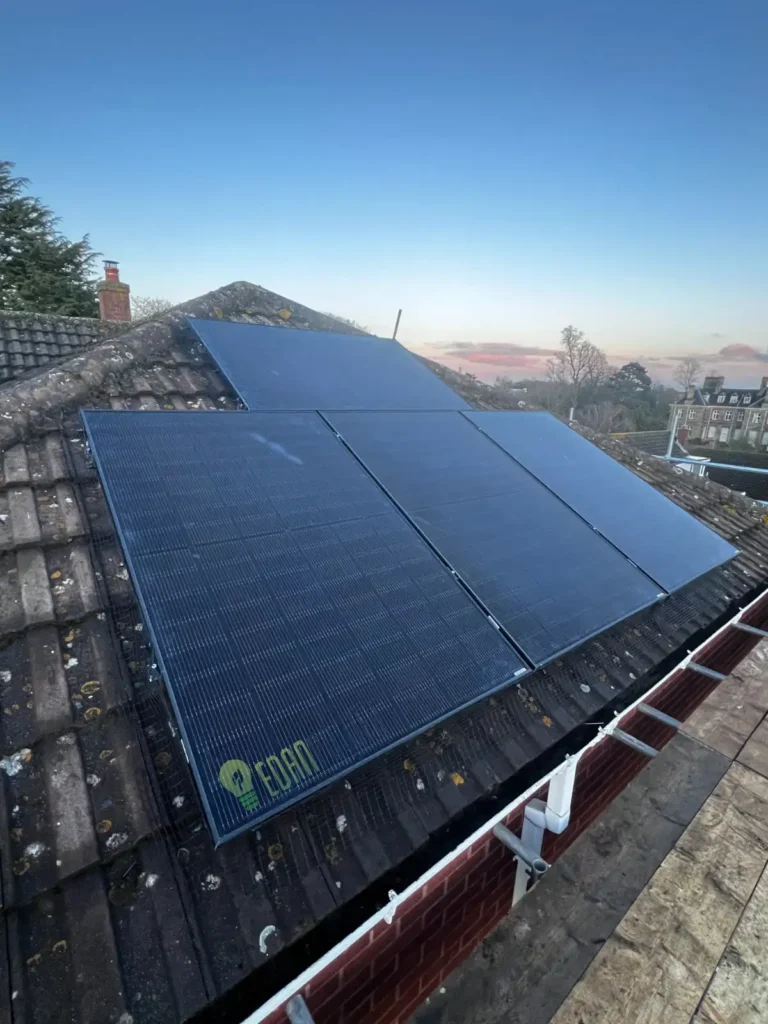
Commercial solar panel installation birmingham can help offices, warehouses, factories, shops, schools and other business premises lower their electricity costs. In addition, solar power can support long-term plans to reduce carbon emissions and improve energy efficiency.
Birmingham has many types of commercial buildings with large roof spaces. These roofs can often support solar panels, provided they meet the required structural and technical standards. Therefore, businesses can turn unused roof space into a useful source of clean electricity.
However, every building has different needs. Roof size, electricity use, shading and budget all affect the final system design. With the right advice, a business can choose a solar system that meets its needs and delivers value over time.
What Is Commercial Solar Panel Installation?
Commercial solar installation involves fitting solar panels to buildings used for business or public services. These systems often have a higher capacity than domestic systems because commercial sites usually use more electricity.
During the day, solar panels capture sunlight and convert it into electrical power. An inverter then changes this power into a form that the building can use. As a result, the business can run equipment, lighting, computers and other electrical systems using its own generated electricity.
A well-planned commercial solar panel installation birmingham project starts with a review of the building and its energy needs. The installer checks the roof, electrical supply, available space and daily electricity use before recommending a suitable system.
Depending on the site, a business may also benefit from a battery storage system. This can store surplus solar electricity for use later, such as during the evening or when solar generation falls.
Why Should Birmingham Businesses Invest in Solar Power?
There are several reasons why businesses are choosing solar power. Most importantly, it can help them control running costs while supporting a cleaner future.
1. Reduce Electricity Bills
Electricity can be a major expense for businesses that use machinery, heating, cooling or lighting throughout the day. Solar panels allow these businesses to generate part of their own electricity.
For example, a warehouse that operates during daylight hours may use solar power directly to run equipment and lighting. Consequently, it may need to purchase less electricity from its supplier.
The amount saved depends on system size, electricity use, weather conditions and the price paid for grid electricity. Still, a suitable system can offer worthwhile savings over many years.
2. Improve Energy Efficiency
Solar power encourages businesses to understand when and how they use electricity. By reviewing energy consumption, managers can identify waste and adjust equipment schedules.
For example, a factory may run certain machines during periods of strong solar generation. Similarly, an office can use solar electricity for computers, lighting and air conditioning during working hours.
These steps support energy saving and help businesses make better use of the power they generate.
3. Support Eco-Friendly Business Goals
Customers, staff and business partners increasingly value responsible business practices. Solar power can help companies reduce their reliance on electricity generated from fossil fuels.
Although the overall environmental benefit depends on the energy mix and the equipment used, solar panels generate electricity without burning fuel during operation.
Therefore, commercial solar panel installation birmingham can form part of a wider plan to reduce emissions, improve environmental performance and support eco friendly business operations.
4. Make Better Use of Roof Space
Large commercial roofs often provide valuable space for solar panels. Instead of leaving suitable roof areas unused, businesses can use them to generate electricity.
However, installers must check roof strength, waterproofing, condition and shading before work begins. This helps reduce risks and ensures the system suits the building.
Which Businesses Can Benefit from Commercial Solar Panels?
Many organisations can benefit from a well-designed solar system. The best results often come from buildings that use significant amounts of electricity during daylight hours.
Common examples include:
Factories and manufacturing units: Solar electricity can help power machinery and production equipment.
Warehouses and distribution centres: Large roofs can provide space for substantial solar arrays.
Offices: Solar power can support lighting, computers, air conditioning and other daily needs.
Retail shops and supermarkets: Businesses can use solar electricity for lighting, refrigeration and payment systems.
Schools and colleges: Solar panels can help reduce daytime electricity costs.
Hotels and leisure centres: Solar power can support lighting, pumps and other electrical equipment.
Farms and agricultural buildings: Suitable roofs can provide space for systems that support farm operations.
Before choosing a system, businesses should review their electricity bills and operating hours. This helps an installer estimate how much solar power the site can use directly.
How Does Commercial Solar Panel Installation Work?
A professional installation follows several important stages. Each stage helps ensure that the system meets the site’s needs.
Step 1: Site Survey and Energy Assessment
First, the installer reviews the building and its electricity use. This includes checking energy bills, roof dimensions, shading and the electrical supply.
The installer can then estimate the suitable system size and likely electricity generation.
Step 2: System Design
Next, the installer plans the solar panel layout, inverter capacity and cable routes. The design should suit the roof and the building’s energy demand.
Where needed, the plan may include battery storage, monitoring equipment or export arrangements for surplus electricity.
Step 3: Checks and Approvals
Before work starts, the installer checks relevant building requirements, electrical standards and network connection needs. Structural checks may also be necessary, especially for older roofs or large systems.
The installer should explain any required permissions and help the business understand the process.
Step 4: Installation and Testing
The installation team fits the mounting system, solar panels, inverter and electrical components. After installation, qualified professionals test the system and check that it operates safely.
The team should also explain how to monitor performance and what maintenance the system needs.
Step 5: Monitoring and Maintenance
Once the system starts operating, monitoring tools help businesses track electricity generation. Regular inspections can also help identify damage, dirt or equipment faults.
With proper care, a commercial solar system can provide useful electricity for many years.
What Equipment Does a Commercial Solar System Need?
A commercial system includes several key parts. Each component plays a role in generating, converting or managing electricity.
Solar panels: These capture sunlight and convert it into direct current electricity. Panel efficiency, roof space and the chosen layout affect total output.
Inverter: This converts the electricity produced by the panels into alternating current for use in the building.
Mounting equipment: Rails, brackets and roof fixings hold the panels in place. The correct equipment depends on the roof type and the installation design.
Battery storage: A battery stores surplus electricity for later use. It can increase the amount of solar power a business uses itself, although the extra cost needs careful review.
Monitoring system: This helps business owners check generation and identify changes in performance.
A reliable commercial solar panel installation birmingham project should use suitable equipment that meets relevant standards and matches the site’s needs.
How Much Can a Business Save with Solar Panels?
The savings vary from one business to another. There is no single price or saving that suits every site.
For example, a business with a large roof and high daytime electricity use may gain more value from solar power than a business that uses most of its electricity at night.
Several factors affect the financial return:
The size and cost of the solar system.
The amount of electricity the panels generate.
The share of solar electricity used on site.
The price paid for electricity from the grid.
The cost of maintenance and any battery storage.
Available export payments or other support schemes.
Changes in the business’s energy use over time.
To estimate the return, businesses should compare installation costs with expected annual savings. They should also consider future energy prices, equipment warranties and possible repair costs.
The goal is not simply to generate as much electricity as possible. Instead, it is to choose a system that provides good value for the business.
Choosing a Trusted Solar Installer in Birmingham
Choosing the right installer is an important part of any solar project. A good company will explain the options clearly and help you understand the costs, risks and expected results.
Look for an installer with relevant commercial experience, suitable insurance, qualified electrical professionals and clear warranty terms. You should also ask about system monitoring, maintenance and support after installation.
For businesses considering commercial solar panel installation birmingham, Edan Power offers solar installation services for commercial properties. A trusted solar panel installer Edan Power with excellent customer support can help businesses understand their options and plan a system around their energy needs.
Before agreeing to a project, request a detailed quotation. It should explain the proposed system size, expected generation, equipment, installation work and estimated savings.
You can explore solar panel solutions and learn more about solar panels for your property. Businesses looking for local services can also visit the solar panels birmingham page.
Should Businesses Add Battery Storage?
Battery storage can help businesses use more of the electricity their panels generate. During sunny periods, the panels may produce more power than the building needs. A battery can store some of this surplus for later.
For example, a business that operates into the evening may use stored solar electricity after the sun sets. This can reduce the need to buy power from the grid at those times.
However, batteries add to the initial cost and have a limited service life. Businesses should compare the cost of storage with the likely savings before making a decision.
In some cases, solar panels without a battery offer the better financial return. In others, a battery may be useful because of the site’s operating hours or energy needs.
A professional assessment can help determine which option makes the most sense.
Common Mistakes to Avoid
Businesses can improve their chances of success by avoiding a few common mistakes.
First, do not choose a system based on price alone. Cheap equipment or poor installation can lead to extra costs later.
Second, avoid ignoring your energy use. A system that generates more electricity than your business can use may not deliver the best financial return unless export arrangements make the surplus worthwhile.
Third, check the roof before installation. Repairs may cost more if the team needs to remove panels later.
Finally, review the quotation carefully. Make sure it covers equipment, installation, testing, warranties and any ongoing support.
By planning carefully, businesses can make better choices and protect their investment.
Frequently Asked Questions
1. How long do commercial solar panels last?
Many modern solar panels can operate for 25 years or more. However, performance can decline gradually over time. Inverters and batteries may need replacement sooner, depending on their type and use.
2. Can solar panels power an entire business?
Yes, in some cases. However, the result depends on the building’s electricity demand, available roof space and solar generation. Some businesses will still need electricity from the grid, especially at night or during periods of low sunlight.
3. Do commercial solar panels work on cloudy days?
Yes. Solar panels can generate electricity in cloudy weather, although output usually falls compared with bright sunshine. The system’s total yearly generation matters more than its output on one cloudy day.
4. Is battery storage necessary?
No. A battery is optional. Businesses that use most of their electricity during daylight hours may gain good value from solar panels alone. Sites with evening demand may benefit more from storage.
5. How can businesses find the right installer?
Look for commercial experience, relevant qualifications, insurance, clear quotations and strong aftercare. Also, check the proposed equipment, warranties and expected system performance before signing a contract.
6. Can solar panels help a business save money?
Yes. Solar panels can reduce the amount of electricity a business buys from its supplier. The actual savings depend on the system cost, energy use, solar generation and electricity prices.
Conclusion
Solar power gives Birmingham businesses a practical way to manage electricity costs and reduce their environmental impact. By generating clean power on site, companies can lower their reliance on the grid and make better use of suitable roof space.
A successful commercial solar panel installation birmingham project begins with a clear understanding of the building, its energy demand and its long-term goals. Businesses should compare quotations, review equipment quality and consider whether battery storage would add value.
With careful planning and the right installation team, solar power can support energy saving, reduce electricity bills and strengthen a company’s eco friendly approach. In addition, ongoing monitoring helps businesses understand system performance and protect their investment.
For organisations ready to explore renewable power, commercial solar panel installation birmingham offers a route towards better energy management and potential long-term savings. Choosing an experienced installer and a system suited to the site can help businesses get the most from their solar investment.