
Do I Need More Batteries or More Solar Panels?
Choosing between more solar panels and more battery storage can feel confusing. Both options can improve the way a business uses renewable energy. However, they solve different problems. Solar panels generate electricity during daylight hours, while a battery stores unused electricity for later.
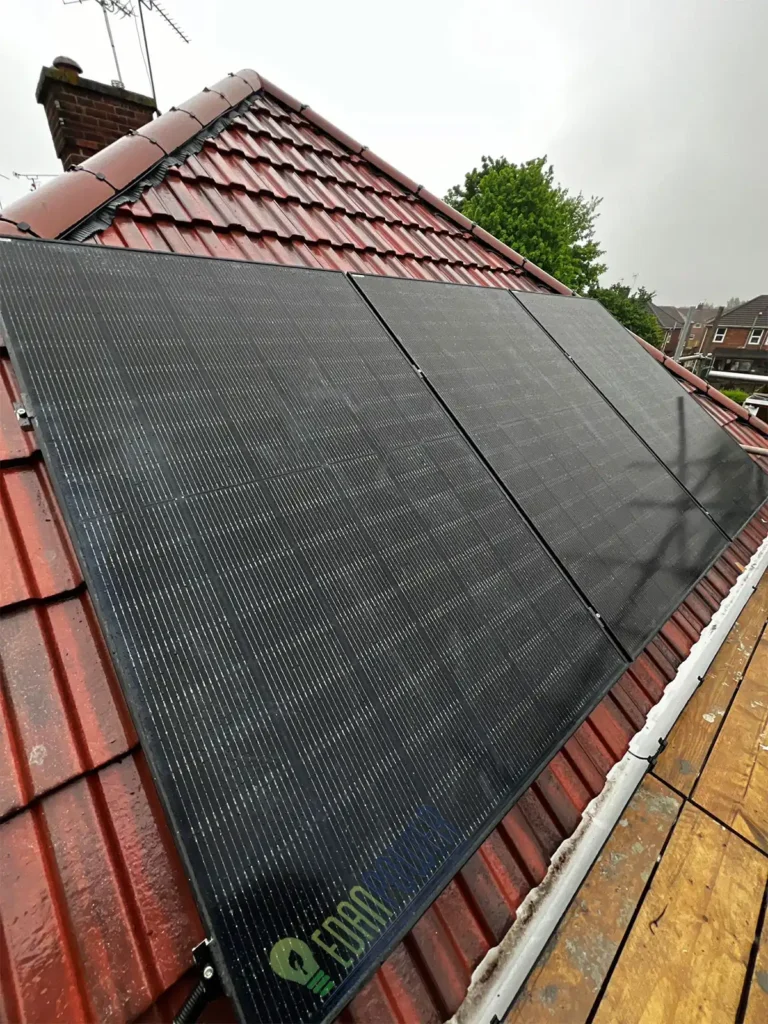
For businesses, the right balance depends on energy use, roof space, working hours, electricity costs, and future plans. A company that uses most of its electricity during the day may benefit from additional solar generation. On the other hand, a business that uses more electricity in the evening may gain more from battery storage.
A good starting point is to understand how solar power works and how it fits around your daily energy needs.
What Is the Difference Between Solar Panels and Batteries?
Solar panels convert sunlight into electricity. During daylight, they can supply power directly to a building. Any unused electricity can often be exported to the grid or stored in a battery.
A battery works differently. It does not create electricity. Instead, it stores electricity so that you can use it later. In simple terms, solar panels make the power, while a battery helps save that power for another time.
This difference matters when planning a commercial solar system.
For example, imagine a business that produces a lot of solar power at midday but closes at 5 pm. If the building does not use much electricity during the afternoon, some of the generated power may not be used on site. A larger battery could store some of that electricity for later use.
However, if the business uses large amounts of electricity throughout the day, additional solar panels may provide greater value because more power can be used as it is generated.
When Should You Consider More Solar Panels?
Adding more solar panels can make sense when your business has enough suitable roof or ground space. It can also help when your electricity demand is high during daylight hours.
For example, warehouses, factories, offices, schools and commercial buildings often use electricity for lighting, computers, machinery, heating, cooling and other equipment.
More solar panels can increase the amount of renewable electricity your system generates. As a result, your business may rely less on grid electricity during sunny periods.
Businesses researching solar panel Nottingham services may also look at roof size, system capacity and expected generation before choosing a system. These factors help show whether additional panels could meet more of the building’s daytime demand.
Another important point is the condition and design of the existing system. The inverter, electrical connection and roof layout must all support the planned expansion.
When Is More Battery Storage Better?
A larger battery may be useful when your business already has enough solar generation but cannot use all of it immediately.
This situation is common when solar generation is highest around the middle of the day. Many businesses, however, have electricity demand before or after this period.
For instance, a business may generate excess solar electricity at 1 pm but still need power at 6 pm. Battery storage can move some of that unused electricity from one period to another.
This can help improve the amount of solar energy used on site.
Battery storage may also help businesses manage electricity use during periods when solar generation is lower. However, battery capacity should not be chosen simply because a larger battery sounds better. The system should match the building’s energy profile.
Do You Need More Batteries or More Solar Panels?
There is no single answer for every business.
Instead, the decision should start with your existing energy use.
If your solar panels already produce more electricity than your business can use during the day, increasing battery capacity may be worth considering.
If your battery regularly reaches full charge while your business still imports electricity from the grid, adding more solar generation may be useful.
For example, a company may have a 50 kWh battery that frequently becomes full before midday. If electricity is still being imported later because the solar system cannot generate enough energy, additional solar panels could help.
On the other hand, if the panels produce plenty of electricity but the battery becomes empty every evening, additional battery storage may provide more flexibility.
This is why a proper energy assessment is important before making changes.
Why Your Business Operating Hours Matter
Business hours have a major effect on the right solar and battery balance.
A company that operates from 8 am to 5 pm may use much of its solar generation directly. In that case, a larger solar array could be useful.
By comparison, a business that operates late into the evening may benefit more from storing solar electricity during the day.
Some businesses also operate seven days a week. Their energy profile can be very different from a company that only operates from Monday to Friday.
Therefore, your electricity usage should be reviewed across different days and seasons.
This approach is particularly useful for businesses considering commercial solar installation shrewsbury, because local installers can assess the building, roof and expected energy requirements before recommending system changes.
Roof Space Can Limit Solar Expansion
More solar panels sound simple, but available space can become a limitation.
A commercial roof may have areas affected by:
Roof equipment
Skylights
Air-conditioning units
Chimneys
Safety access routes
Shading
Structural restrictions
Roof orientation
The roof must also be suitable for the additional weight and installation work.
When there is limited roof space, increasing battery storage may be more practical than adding a large number of additional panels.
On the other hand, if a building has a large, clear roof, there may be room for a larger solar array.
This is one reason why commercial solar installation shrewsbury projects should be planned around the actual building rather than using a standard system size.
What About Solar Panels in Birmingham?
Businesses in Birmingham have many different building types, from small commercial properties to large warehouses and industrial sites.
For companies researching solar panels birmingham, system design should focus on the property’s electricity demand, roof area and operating pattern.
You can learn more about commercial systems through these solar panels birmingham services.
The same basic principles apply across the UK. The key point is to match solar generation and battery capacity with real electricity demand.
How Solar and Battery Storage Work Together
Solar panels and batteries do not have to compete with each other.
In fact, they can work very well together.
During the day, the solar array generates electricity. The building uses what it needs first. If extra electricity is available, the battery can store some of it.
Later, when solar generation falls, stored electricity can help supply the building.
This creates a simple flow:
Sunlight → Solar Panels → Building → Battery → Building
The exact system design depends on the building and its electricity demand.
For many businesses considering commercial solar installation shrewsbury, combining solar generation with suitable battery storage can provide greater control over when renewable electricity is used.
Should You Buy a Bigger Battery First?
A bigger battery is not always the answer.
If the solar system cannot generate enough electricity to fill the battery, adding storage may not solve the main problem. You could simply have a larger battery that often sits partly empty.
Instead, look at how often the current battery reaches full charge and how quickly it becomes empty.
If it fills quickly and then has unused capacity later, a larger battery could help.
If it rarely reaches full charge, additional solar generation may be more relevant.
A detailed review can therefore prevent unnecessary spending.
Should You Install More Solar Panels First?
Additional solar panels can be useful when your building has strong electricity demand and enough suitable space.
They may also help charge a battery more consistently.
However, more panels do not automatically mean more savings. Your system needs to be designed around the way your business uses electricity.
For businesses exploring commercial solar installation shrewsbury, a good installer should consider generation, consumption, battery capacity, inverter limits and future expansion.
The same approach applies to companies researching solar panel Nottingham solutions or commercial solar systems in other UK areas.
How Energy Usage Changes the Decision
Your energy consumption pattern is one of the most important factors.
Consider these examples:
High daytime usage:
More solar panels may help because your business can use the electricity while it is being generated.
High evening usage:
A battery may help store daytime solar power for later.
High daytime and evening usage:
A combination of more solar and suitable battery storage may be considered.
Low overall usage:
Expanding the system may not be necessary unless future demand is expected to rise.
Electric vehicles, heat pumps, electric heating and new machinery can also change future electricity demand.
Therefore, future plans should form part of the system design.
Choosing a Commercial Solar Installer
The installer you choose can affect the quality and long-term performance of your system.
For businesses looking at commercial solar installation shrewsbury, it is useful to work with an installer that can assess the whole system rather than focusing only on panel numbers.
A trusted solar panel installer Edan Power with excellent customer support can help businesses understand their options, system requirements and potential expansion needs.
You can also explore solar panel solutions and solar panels for further information.
A professional assessment should consider the existing solar system, inverter capacity, battery size, roof condition, electricity consumption and future requirements.
Is Battery Storage Worth Adding to Existing Solar?
In many cases, battery storage can be added to an existing solar system. However, compatibility needs to be checked first.
The existing inverter may have limitations. Your electrical installation may also need changes.
Before adding a battery, check:
Existing solar capacity
Inverter type
Battery compatibility
Available installation space
Electrical requirements
Current electricity use
Future energy demand
For businesses considering commercial solar installation shrewsbury, these checks help create a safer and more suitable system.
What Happens If Your Business Expands?
Business growth can change your electricity needs.
A company may add new computers, machinery, refrigeration, lighting, electric vehicles or heating equipment. Therefore, a solar system that works well today may need more capacity in the future.
Planning for expansion can make the system easier to upgrade.
Rather than installing the largest possible battery or solar array immediately, a staged approach may be considered when suitable.
This can help businesses manage investment while keeping future expansion in mind.
FAQs
1. Is it better to add more solar panels or a bigger battery?
It depends on your electricity use. If you need more electricity during the day, additional solar panels may help. If you already produce plenty of solar power but need more electricity later, additional battery storage may be more suitable.
2. Can I add batteries to my existing solar system?
Often, yes. However, the existing inverter, wiring, battery compatibility and electrical setup need to be checked before installation.
3. Do more solar panels always mean more savings?
Not always. Savings depend on how much electricity your business uses, when it uses it and how much solar electricity can be used on site.
4. Can a battery store electricity overnight?
Yes. A battery can store electricity generated earlier and make that electricity available later, depending on its capacity and system settings.
5. Is battery storage useful for commercial buildings?
It can be useful for businesses that generate surplus solar electricity during the day and need electricity at other times. The value depends on the site’s energy profile.
6. What should I check before expanding my solar system?
Check roof space, structural suitability, inverter capacity, electrical requirements, current solar generation, battery performance and future electricity demand.
7. Does location affect commercial solar design?
The basic principles remain similar across the UK, but each building has different roof conditions, shading, orientation and energy use. A site assessment is therefore important.
8. What does commercial solar installation involve?
A commercial solar project can include site assessment, system design, panel installation, inverter installation, electrical work, monitoring and, where required, battery storage.
Conclusion
The choice between more batteries and more solar panels should be based on how your business generates and uses electricity.
More solar panels can increase daytime electricity generation. A larger battery can help move unused solar electricity to a later time. In many cases, the best approach is not about choosing one over the other. Instead, the goal is to create a balanced system that matches your real energy needs.
Businesses researching commercial solar installation shrewsbury should consider their current electricity demand, operating hours, roof space, existing system and future plans before expanding.
The same principle applies to companies exploring solar panel Nottingham, commercial solar systems in Birmingham, and other parts of the UK.
With the right design, solar panels and battery storage can work together to make better use of renewable electricity. A properly planned system can also give businesses greater control over how and when they use their generated power.