
How Many Solar Panels and Batteries to Run a 2000 Sq Ft House?
If you live in a 2,000 sq ft house, you may wonder how many solar panels and batteries you need to meet your daily electricity needs. The answer depends on several factors. These include your electricity use, roof space, panel power, sunlight, battery size and the appliances you use.
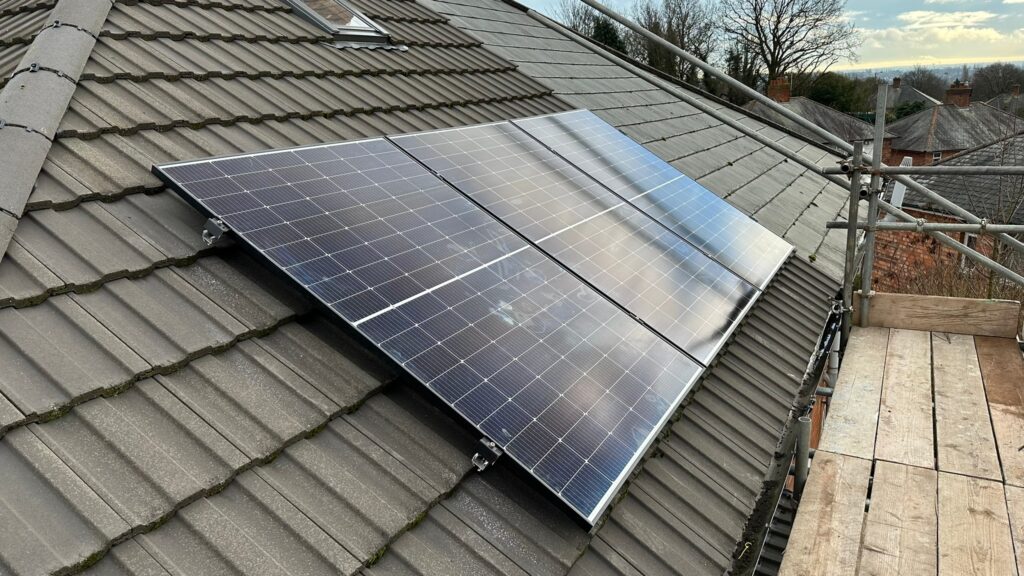
A larger home does not always need a very large solar system. Instead, your energy use matters more than the floor area alone. For example, a well-insulated 2,000 sq ft home with efficient appliances may use much less electricity than a similar-sized home with an electric vehicle, heat pump and electric heating.
Understanding your daily energy needs is therefore the first step. A properly planned system can generate useful electricity during the day and store excess power for later use.
How Much Electricity Does a 2,000 Sq Ft House Use?
A typical UK home can have very different electricity demand depending on its occupants and lifestyle. A house with gas heating may use less electricity than a fully electric home.
Common electricity loads include:
Lighting
Fridge and freezer
Washing machine
Dishwasher
Television
Computers
Kitchen appliances
Electric showers
Heating systems
Heat pumps
Electric vehicle charging
Home office equipment
For a rough example, suppose a 2,000 sq ft house uses around 15 to 25 kWh of electricity per day. That would equal approximately 5,475 to 9,125 kWh per year.
However, this is only a starting point. Your actual electricity bills provide a much better guide.
A good solar design should focus on your real consumption rather than simply choosing a system because your house is large.
How Many Solar Panels Could You Need?
The number of panels depends on the power rating of each panel and the amount of electricity you want to generate.
Modern solar panels often have power ratings around 400W to 500W. For example, a 450W panel produces a maximum rated output of 0.45 kW under standard test conditions.
For a simple example, a 6 kW solar system could use around:
6,000W ÷ 450W = approximately 14 panels
A 7 kW system could need around 15 to 16 panels, while an 8 kW system could need around 17 to 18 panels.
The actual number can change because installers must consider roof shape, shading, panel orientation, available space and system design.
For many 2,000 sq ft homes, a system in the region of 5 kW to 8 kW may be considered, but the correct size should come from an assessment of electricity consumption and the property.
If you are researching commercial solar panel installation shrewsbury, the same basic principle applies. System size should be based on electricity demand and available roof space rather than building size alone.
What About Solar Panels in Shrewsbury?
Location can also affect solar generation. A property in Shrewsbury will receive different yearly solar conditions from a property in another part of the UK.
This does not mean solar panels are unsuitable in areas with cloudy weather. Solar PV systems generate electricity from daylight, not only from bright sunshine.
For example, a roof with a good south-facing position and little shading can often produce useful generation throughout the year.
This is why commercial solar panel installation shrewsbury projects normally require a proper site survey. The installer can assess roof direction, roof condition, shading, panel placement and electrical requirements before recommending a system.
Although the term “commercial” relates to business installations, the same technical principles can help homeowners understand how solar system sizing works.
How Much Battery Storage Does a 2,000 Sq Ft House Need?
Solar panels generate most of their electricity during daylight hours. However, many households use more electricity in the evening.
That creates a useful role for a home battery. A battery can store some of the excess electricity produced during the day and make it available later.
For a typical 2,000 sq ft house, a battery between 5 kWh and 15 kWh may be considered, depending on energy use.
For example:
5 kWh battery: Suitable for lower evening demand
10 kWh battery: Useful for many medium-to-high consumption homes
15 kWh battery: Can provide more stored electricity for larger energy users
20 kWh or more: May suit homes with very high demand, depending on system design
However, bigger is not always better. A battery should match your solar generation and electricity consumption.
A very large battery may not provide good value if there is not enough surplus solar electricity to charge it regularly.
How Do Solar Panels and Batteries Work Together?
The basic process is quite simple.
During daylight, your solar panels produce electricity. Your home uses this electricity first. If your solar system produces more electricity than your home needs, the excess can charge your battery.
Later, when the sun goes down, your home can use stored electricity from the battery.
This can reduce the amount of electricity you need to import from the grid. It can also increase your use of your own renewable generation.
The key idea is simple: generate electricity when the sun is available and store some of the surplus for later.
For anyone considering commercial solar panel installation shrewsbury, this same energy flow is important when planning larger systems for offices, warehouses, shops and other buildings.
What Size Solar System Could Work for a 2,000 Sq Ft Home?
There is no single system size that works for every property. Still, the following example can help explain the difference.
Imagine a home uses around 7,000 kWh of electricity per year.
A solar PV system of around 6 kW to 8 kW could potentially be considered, depending on the roof and local conditions.
With 450W panels, the approximate panel numbers could be:
| Solar System | Approximate Number of 450W Panels |
|---|---|
| 4 kW | 9 panels |
| 5 kW | 12 panels |
| 6 kW | 14 panels |
| 7 kW | 16 panels |
| 8 kW | 18 panels |
These figures are examples rather than guarantees. Actual system performance depends on many factors.
Roof space also matters. A roof may look large from the ground but have areas that cannot accept panels because of windows, chimneys, roof edges or shading.
Does Roof Direction Matter?
Yes. Roof orientation can have a significant effect on solar generation.
A south-facing roof is often considered favourable in the UK because it can receive good sunlight across the day. East-facing and west-facing roofs can also work well.
An east-facing roof may generate more electricity earlier in the day. Meanwhile, a west-facing roof may produce more later in the afternoon.
This can sometimes match household demand well, especially when people return home later in the day.
Shading should also be checked carefully. Trees, chimneys and nearby buildings can reduce generation.
Therefore, a professional survey is important before deciding how many panels you need.
What Is the Role of the Inverter?
The inverter is another key part of a solar PV system. Solar panels generate DC electricity, while most household appliances use AC electricity.
The inverter converts the electricity into a form that your home can use.
It also manages important parts of the solar system, depending on the equipment selected.
When planning commercial solar panel installation shrewsbury, inverter capacity should be matched carefully with the solar array, battery and electrical demand.
For a home, the same principle applies. The inverter should not simply be selected based on the number of panels. The complete system needs to work together.
What If You Have an Electric Vehicle?
An electric vehicle can significantly increase household electricity consumption.
For example, charging an EV several times a week may add a large amount of electricity demand. In this case, a larger solar system could be useful if the roof has enough suitable space.
Battery storage can also help, especially when charging is planned outside daylight hours.
Smart charging can further improve the way your home uses solar energy.
Therefore, if you own an EV, include its expected electricity use when calculating your solar requirements.
This is another reason why commercial solar panel installation shrewsbury is a useful search term when exploring wider solar system planning, although a domestic system will need to be designed around household requirements.
What If You Have a Heat Pump?
Heat pumps can also increase electricity demand.
Unlike a traditional gas boiler, a heat pump uses electricity to move heat into your home. Its electricity consumption depends on the property, insulation, outdoor temperature and system efficiency.
If your 2,000 sq ft house uses a heat pump, your solar installer should include its expected annual consumption in the system design.
Good insulation can also reduce the amount of energy required to keep the home comfortable.
In turn, lower energy demand may allow a smaller solar system to cover a larger percentage of your electricity use.
Solar Panels Nottingham and Other UK Locations
You may also come across searches such as solar panel Nottingham, solar panels Birmingham and other local solar terms while comparing installers.
These location-based terms can help homeowners find local information about solar installation, but the correct system size still depends on the individual property.
The same applies to solar panels birmingham. A homeowner should not select a system simply because another property in the same city uses a particular number of panels.
Every roof is different.
For example, two homes may have the same floor area but different roof directions, shading levels and electricity consumption.
Why Battery Size Should Match Your Usage
Battery storage is most useful when it matches your daily energy pattern.
Suppose your solar panels produce a lot of electricity between 10am and 3pm, but your household uses most electricity between 5pm and 10pm.
A battery can help move some of that daytime generation into the evening.
However, if your household uses most of its electricity during the day, you may not need as much battery capacity.
For this reason, installers should look at your electricity usage profile rather than only your annual bill.
The right combination of energy, solar generation and storage can make a system more useful throughout the year.
Choosing the Right Solar Installer
Choosing an experienced installer is important because solar PV is a long-term investment.
Look for an installer that can explain:
Expected annual generation
Panel specifications
Inverter capacity
Battery capacity
Roof layout
Shading
System warranties
Monitoring options
Installation standards
Expected electricity savings
A clear explanation is particularly important if you are comparing several quotes.
For homeowners looking for professional support, commercial solar panel installation shrewsbury can also lead to information about installers with experience in larger solar projects. However, domestic customers should ensure that the installer has suitable experience with residential systems too.
Edan Power provides solar installation services and support, including solutions designed around individual property requirements. The company can be considered when looking for a trusted solar panel installer Edan Power with excellent customer support.
You can learn more about a solar panel system and available solar solutions from Edan Power.
How Much Battery Storage Is Enough?
For many households, a 10 kWh battery can provide a useful balance between storage capacity and daily electricity demand. However, this does not mean every 2,000 sq ft home needs a 10 kWh battery.
A home using 10 kWh per day may have different requirements from a home using 25 kWh per day.
Similarly, a household with an EV, heat pump and electric cooking may need more storage than a property using gas heating and low electricity consumption.
Therefore, battery capacity should be calculated from actual usage.
Frequently Asked Questions
How many solar panels do I need for a 2,000 sq ft house?
The floor area alone cannot determine the correct number. A 5 kW to 8 kW system may be considered for some homes, which could mean around 12 to 18 panels when using 450W panels. Actual requirements depend on electricity use, roof space and solar conditions.
How big should my solar battery be?
A 5 kWh to 15 kWh battery may suit many homes, but the right size depends on electricity use and solar generation. Homes with high demand may require more storage.
Can solar panels run my entire house?
They can generate a large amount of your electricity, but generation changes throughout the year. Most homes remain connected to the grid unless they have been specifically designed as off-grid systems.
Do solar panels work on cloudy days?
Yes. Solar PV panels can generate electricity from daylight even when the sky is cloudy. However, generation is usually lower than on a bright, sunny day.
Are solar panels suitable for a large home?
Yes. A larger home can benefit from solar, especially when electricity use is high. The system should be designed around the property’s energy demand and roof space.
Is a battery necessary with solar panels?
No. Solar panels can work without battery storage. However, a battery can help store surplus daytime generation for use later.
How many panels are needed for an 8 kW system?
With 450W panels, an 8 kW system would require approximately 18 panels. The final design may differ because installers must consider panel specifications and system limits.
Can solar panels help with EV charging?
Yes. Solar electricity can be used to charge an EV. Smart charging can help make better use of solar generation during daylight hours.
Conclusion
So, how many solar panels and batteries does a 2,000 sq ft house need? There is no single answer for every property. A typical starting point could be around 12 to 18 panels, depending on panel power and the required solar capacity. Battery storage could range from around 5 kWh to 15 kWh or more, depending on household electricity use.
The most important step is to calculate your real electricity demand. Then, consider your roof size, orientation, shading, heating system, EV use and future energy needs.
Whether you are researching domestic solar or commercial solar panel installation shrewsbury, proper system design remains essential. A well-planned installation can help your home generate renewable electricity, store surplus power and reduce reliance on grid electricity.
For more information about solar panels, solar PV systems and installation options, Edan Power can help you understand the available solutions for your property.
The aim should always be a balanced system where the solar array, inverter and battery work together to meet your actual needs.