
Solar Panel Installation Scaffolding in Solihull: A Complete Guide to Safe Solar Installation
Installing solar panels is a great way to use clean energy, lower household costs and reduce your impact on the environment. However, before the work begins, you need to think about roof access and safety. Scaffolding plays a key role in making solar panel installation safer, easier and more efficient.
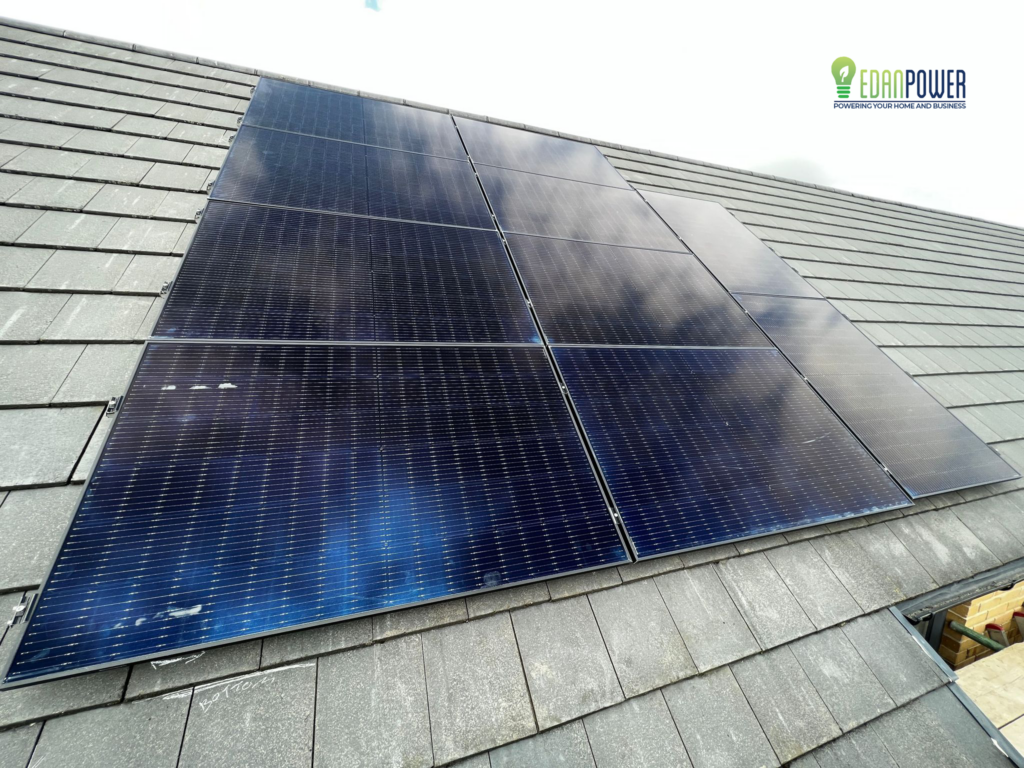
For homeowners and businesses, solar panel installation scaffolding solihull is an important part of planning a successful solar project. It gives installers a stable platform to work from, helps protect workers and reduces the risk of falls. In addition, proper scaffolding can help the installation team work with greater care and confidence.
Whether you own a small home, a large property or a commercial building, understanding the scaffolding process can help you prepare for your solar installation. This guide explains why scaffolding matters, how it works, what affects the cost and how to choose a suitable solar installer.
Why Is Scaffolding Important for Solar Panel Installation?
Solar panels usually sit on a roof, where access can be difficult. Roofs may have steep slopes, fragile tiles, chimneys or other obstacles. Therefore, installers need safe access before they can begin work.
Professional scaffolding creates a stable working area around the roof. It also gives installers space to handle solar panels, mounting rails, cables and tools.
Here are the main benefits of using scaffolding:
Improved safety: A suitable scaffold helps reduce the risk of falls from height.
Better access: Installers can reach roof edges and work areas more easily.
Careful handling: Workers can move panels and equipment with better control.
Less risk of roof damage: Safe access can help reduce unnecessary movement across roof tiles.
A smoother installation: A well-planned setup can help the team complete each stage efficiently.
For these reasons, solar panel installation scaffolding solihull should form part of the installation plan whenever the roof work requires it. The installer should assess the property and arrange suitable access equipment before work begins.
How Does Solar Panel Scaffolding Work?
The scaffolding process normally starts with a site assessment. During this visit, the installation team checks the roof height, shape, access points and nearby surroundings.
Next, a competent scaffolding contractor plans a suitable structure. The design must account for the building, ground conditions, expected loads and the work that installers need to carry out.
A typical process includes the following steps.
1. Property and Roof Assessment
First, the team examines the roof and identifies possible risks. These may include sloping ground, conservatories, narrow pathways, overhead cables or nearby public areas.
The contractor then decides where the scaffold should stand and how workers will reach the roof safely.
2. Scaffolding Installation
Next, trained scaffolders erect the structure using suitable components. These may include standards, ledgers, braces, working platforms, guardrails and access ladders.
The scaffold must provide suitable support and protection for the planned work. Where required, a competent person should inspect it before anyone uses it.
3. Solar Panel Installation
Once safe access is ready, the solar installation team can begin its work. Installers fit the roof mounting system, position the solar panels and connect the required electrical equipment.
They also follow the installation plan and take care when handling panels near roof edges.
4. Final Checks and Removal
After the work finishes, the team checks the installation and confirms that the site is safe. The scaffolding contractor can then dismantle the structure in a controlled way.
This organised process helps keep the project safe from start to finish.
Types of Scaffolding Used for Solar Panels
Not every property needs the same type of scaffolding. The right choice depends on the building, roof design and installation requirements.
Independent Scaffolding
Independent scaffolding stands on its own support structure and uses standards and ledgers to create a working platform. It can provide access along a roof edge and give installers space to handle equipment.
This option may suit many houses with pitched roofs, although the contractor must assess the property before choosing a design.
Tower Scaffolding
A mobile or fixed tower may suit certain smaller tasks. However, a tower does not always provide enough access for a full roof installation. The contractor must check its height, stability and suitability for the work.
Scaffolding with Edge Protection
Edge protection helps reduce the risk of falls from roof edges. Depending on the property and work plan, the setup may include guardrails, toe boards and suitable working platforms.
For solar panel installation scaffolding solihull, the contractor should select equipment that suits the roof and the risks involved. A simple setup may not work for a tall building or a roof with several levels.
What Affects the Cost of Solar Scaffolding?
Scaffolding costs vary from one property to another. Therefore, it is worth requesting a clear quotation before your project starts.
Several factors can affect the final price.
Building height: Taller buildings may need more equipment and extra labour.
Roof design: Steep roofs, unusual shapes and multiple roof levels can make access more complex.
Scaffold size: A large roof may require a longer working platform.
Hire period: Longer projects may increase the hire cost.
Access conditions: Narrow paths, extensions and limited space can make erection more difficult.
Safety requirements: The contractor must provide suitable protection for the work and surrounding area.
When comparing quotes for solar panel installation scaffolding solihull, check what each price includes. For example, ask whether delivery, erection, inspection, dismantling and the hire period form part of the quote.
The cheapest price is not always the best choice. Instead, look for a competent contractor who explains the work clearly and provides a suitable safety plan.
How Long Does Scaffolding Stay in Place?
The hire period depends on the size of the solar project and the work involved. For many domestic installations, scaffolding may remain in place for a few days to a week. However, complex roofs, bad weather or extra electrical work can extend the project.
Before work begins, ask your installer for an estimated schedule. Also, confirm when the scaffold team expects to remove the structure.
Good communication helps you plan around access to your home, parking and outdoor areas. In addition, it reduces the chance of confusion if the installation takes longer than expected.
Solar Panels, Energy Savings and Environmental Benefits
Scaffolding supports the safe installation of solar panels, but the wider aim is to help your property produce clean electricity.
Solar technology uses sunlight to generate electricity for homes and businesses. You can learn more about solar energy and how it works. In simple terms, sunlight reaches the solar cells, which then produce electrical power.
This can help you reduce the amount of electricity you buy from your supplier. As a result, you may achieve an energy saving and make a difference to your electricity bills.
A well-planned system can also support a more eco friendly way of living. Solar power produces no direct carbon emissions while generating electricity, although manufacturing and installing the equipment still have an environmental impact.
If you add a battery, you may store some of the electricity your panels generate during the day. You can then use that stored power when your panels produce less electricity, such as in the evening. Actual savings depend on your energy use, system size, tariff and battery settings.
A suitable solar panel system can help you use more of your own electricity. Likewise, well-planned solar panels may support long-term savings when the system suits your property and energy needs.
However, remember that solar panels do not produce the same amount of electricity every day. Weather, shade, roof direction and seasonal daylight all affect output. Therefore, a professional assessment is important before you decide on a system.
Domestic and Commercial Solar Installation in Solihull
Solar energy can benefit both domestic and commercial properties. However, each type of building may need a different installation plan.
Domestic Solar Panels
Homeowners often install solar panels to reduce their reliance on grid electricity. A typical system may include roof panels, an inverter, mounting rails and optional battery storage.
Before the work begins, the installer should check the roof condition and plan safe access. For solar panel installation scaffolding solihull, this assessment helps identify the most suitable scaffold arrangement for your home.
You should also tell the installer about any extensions, conservatories or access restrictions. These details can help the team plan the work and avoid delays.
Commercial Solar Panels
Businesses may have larger roofs and higher electricity demands. Warehouses, offices, workshops and retail buildings can all benefit from a suitable solar installation.
However, commercial projects often involve more planning. The installer may need to consider roof loading, business operations, access routes and the effect of construction work on staff or customers.
Businesses looking for wider regional services can explore solar panels birmingham. The right installation plan can help a company make better use of its roof space and reduce some of its electricity costs.
For larger projects, solar panel installation scaffolding solihull may require a more detailed access plan than a standard domestic installation. A competent contractor should assess the site before confirming the final arrangement.
How to Prepare Your Property Before Scaffolding Arrives
A little preparation can help the installation run smoothly. Before the scaffolders arrive, follow these simple steps.
Clear the access area. Move cars, garden furniture and other items away from the planned working area.
Protect valuable items. Move fragile pots and ornaments away from places where workers may carry equipment.
Discuss access needs. Tell the contractor about locked gates, shared paths or other restrictions.
Keep children and pets safe. Set clear boundaries around the work area while the team carries out the job.
Check the schedule. Confirm the expected arrival time and how long the scaffold may remain in place.
Ask about security. Find out how the contractor will secure access equipment when workers leave the site.
You should never climb the scaffold yourself or allow children to play on it. Also, avoid moving, removing or changing any scaffold component. Only competent people should make changes to the structure.
When planning solar panel installation scaffolding solihull, these simple steps can help reduce disruption and make the property safer for everyone.
Choosing a Reliable Solar Panel Installer
Choosing the right installer matters just as much as choosing the panels. A good company will explain the installation process, assess your roof and discuss the equipment that suits your needs.
Before you agree to the work, consider the following points:
Experience: Look for a company with relevant experience in domestic or commercial solar installations.
Clear pricing: Ask for a written quotation that explains the main costs.
Safety planning: Confirm who will arrange scaffolding and how the contractor will manage work at height.
Product details: Check the proposed panel, inverter and battery specifications.
Electrical standards: Ask about the qualifications and certifications relevant to the installation.
Aftercare: Check the warranty terms and what support the company provides after installation.
A trusted solar panel installer Edan Power with excellent customer support can help customers understand their solar options and plan a suitable system. Before proceeding, discuss your roof, energy use and budget with the installation team.
You should also ask who is responsible for coordinating the scaffolding contractor. Clear responsibility helps prevent delays and makes it easier to resolve any issues during the project.
Safety Rules for Scaffolding and Roof Work
Working at height carries risks, so safety must remain a priority throughout the project. The contractor should follow applicable UK work-at-height requirements and use suitable equipment.
Key safety measures include:
Inspecting the scaffold before first use and at the required intervals.
Checking the structure after events that could affect its safety, such as severe weather.
Providing suitable guardrails, working platforms and safe access.
Keeping tools and materials secure to reduce the risk of falling objects.
Preventing unauthorised access to the scaffold.
Stopping work when conditions become unsafe.
The Work at Height Regulations 2005 set out important duties for employers and contractors. You can find official guidance through the UK Health and Safety Executive.
Good planning is especially important for solar panel installation scaffolding solihull when the property has a high roof, limited access or nearby public footpaths. The team should address these risks before work begins rather than relying on last-minute changes.
Frequently Asked Questions
1. Is scaffolding necessary for every solar panel installation?
Not every project requires the same access equipment. However, roof installations often need scaffolding or another suitable system to protect workers from falls. The installer should assess the roof and choose a safe method for the work.
2. How much does solar panel scaffolding cost in Solihull?
The price depends on building height, roof shape, scaffold size, access conditions and hire duration. Ask for a written quotation that includes erection, inspection, hire and dismantling where applicable.
3. Can I use a ladder instead of scaffolding?
A ladder may suit certain low-risk, short-duration tasks. However, it does not automatically provide a safe working platform for handling large solar panels. A competent contractor should assess the risks and choose appropriate access equipment.
4. Will scaffolding damage my roof or garden?
A properly planned scaffold should minimise the risk of damage. However, the contractor needs to consider ground conditions, roof features and the position of the supports. Discuss any concerns before work starts.
5. Can I stay at home during installation?
In most cases, homeowners can remain at home. Nevertheless, you may need to keep away from certain areas while the team works. Your installer should explain any temporary access restrictions.
6. How can solar panels help me save money?
Solar panels generate electricity that you can use in your home or business. This may reduce the amount of power you buy from the grid. A battery can also help you use stored solar electricity later. Your actual savings will depend on your system, energy use and electricity tariff.
7. How do I arrange solar panel installation scaffolding solihull?
Start by contacting a solar installer for a property assessment. The installer can explain the access requirements and coordinate with a suitable scaffolding contractor. Before work begins, confirm the costs, safety arrangements and expected schedule.
Conclusion
Scaffolding is an important part of many solar panel installations because it provides safe access to roofs and helps installers handle equipment with greater care. By planning the work properly, you can reduce risks, avoid unnecessary delays and help protect your property.
When arranging solar panel installation scaffolding solihull, consider the roof design, access conditions, hire costs and experience of the contractors. In addition, make sure the installation team follows suitable safety procedures and communicates clearly throughout the project.
Solar panels can help households and businesses reduce grid electricity use, support energy saving and work towards a more eco friendly future. With the right system, you may also achieve long-term savings on your electricity bills.
Ultimately, careful planning and a reliable installation team can make the whole process easier. Choose a suitable installer, arrange safe roof access and make an informed decision about your solar system.