
Why Are People Getting Rid of Their Solar Panels?
Solar power has become a popular way to reduce electricity bills and use cleaner energy. However, some people are now removing, replacing, or selling their solar panels. This can seem surprising, especially when solar energy is promoted as a long-term investment.
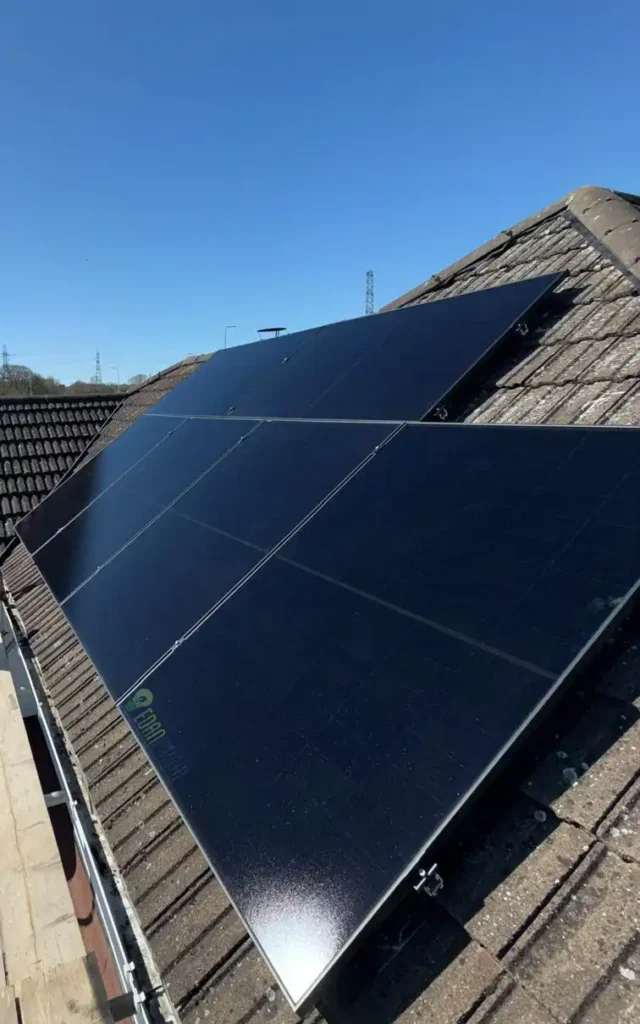
So, why are people getting rid of their solar panels?
The answer is not always that solar power has failed. In many cases, the reason is linked to an old system, roof work, moving home, poor installation, changing energy needs, or the wish to upgrade to newer technology. Therefore, it is important to understand the full picture before deciding that solar is no longer useful.
Solar technology has also changed quickly. Modern systems can offer better monitoring, improved battery storage, and more efficient panels. As a result, some property owners remove older equipment simply because they want a newer system.
Why Do Some People Remove Solar Panels?
There are several reasons why a homeowner or business may decide to remove solar panels. First, the original system may have reached the end of its useful life. Older equipment can also become harder to repair if replacement parts are no longer easy to find.
In other cases, the roof needs major repairs. When roof tiles, membranes, or other materials need replacing, the panels may have to come down temporarily. Once the work is finished, the owner can reinstall the existing system or replace it with a newer one.
Another reason is property ownership. If someone moves house, they may not want to take responsibility for an older solar system. Likewise, a business may move into a larger building and require a completely different solar design.
For some people, the original installation may also have underperformed. This can happen because of shading, incorrect system sizing, poor maintenance, or an installation that does not match the property’s energy use.
That is why choosing a qualified commercial solar installer is important when installing or replacing a system.
Older Solar Panels May Not Meet Modern Energy Needs
Solar technology has developed significantly over the years. Older panels may produce less power than newer models of a similar roof area. In addition, modern systems can work with smart monitoring and battery storage.
For example, a property that once used electricity mainly during the daytime may now have electric vehicles, heat pumps, air conditioning, or larger appliances. The electricity demand can therefore change.
A newer solar system may be designed around these needs.
The basic idea behind solar power is simple: sunlight can be converted into useful electricity. Yet, the complete system can include panels, an inverter, monitoring equipment, protection devices, and a battery.
With a well-designed system, electricity generated during daylight can supply a building. Extra electricity may be exported or, where suitable equipment is installed, stored for later use.
Roof Repairs Can Lead to Solar Panel Removal
Roof work is one of the most practical reasons for removing solar panels.
A roof protects the building from rain, wind, and other weather conditions. If the roof needs major repairs, the panels may need to be removed so workers can access the surface safely.
However, removal does not mean that solar power is unsuitable.
After the roof has been repaired, the owner may reinstall the existing panels. Alternatively, this can be a good time to replace an older system with modern solar panels.
Before work begins, the installer should check the condition of the panels, mounting system, cables, inverter, and other equipment. This helps the property owner decide whether reuse or replacement makes more sense.
Poor Installation Can Cause Problems
A solar system should be designed for the building, roof, electricity use, and local conditions. If the system was poorly planned, problems may appear later.
For example, panels may be affected by shade from trees or nearby buildings. Cables may also need inspection if they were not installed correctly. Furthermore, an inverter may not be suitable for the size or type of system.
A professional commercial solar installer can assess the complete system rather than looking at the panels alone.
This is particularly useful for commercial properties. A business may have different electricity demand throughout the day, and the system should reflect those patterns.
Moving House or Business
People also remove solar panels because they are moving.
A homeowner may sell a property with the solar system still installed. Another person may choose to remove the equipment before moving, although this needs careful planning.
For businesses, relocation can be even more complex. A company may move from a small office to a warehouse or industrial unit. The new building may have a much larger roof and a different electricity demand.
In such cases, an old system may not be suitable for the new property.
A qualified commercial solar installer can inspect the equipment and determine whether it can be reused, expanded, relocated, or replaced.
Battery Storage Has Changed the Solar Market
Battery storage is another reason some people replace older solar systems.
Older installations may have been designed mainly to generate electricity during daylight. Today, many property owners want to store unused electricity and use it later.
This can be useful because electricity demand does not always match solar generation. For instance, a business may generate plenty of electricity at lunchtime but use more power during the early morning or evening.
A battery can help shift some stored electricity to a later period, depending on the system design, battery capacity, energy use, and controls.
However, battery storage should be assessed carefully. A bigger battery is not automatically the right choice. The system should match the building’s electricity profile.
Electricity Use Can Change Over Time
Energy habits are not fixed.
A family may buy an electric vehicle. A business may add new machinery. A warehouse may increase its operating hours. A property may install a heat pump.
Consequently, the original solar system may no longer match the building’s needs.
Instead of abandoning solar completely, the owner may upgrade the system.
This is where a commercial solar installer can review the current setup and identify whether additional panels, a new inverter, or battery storage could improve the system.
What About Solar Panel Nottingham?
Location can also influence solar performance.
For example, businesses searching for solar panel Nottingham may be considering installations for offices, warehouses, schools, retail buildings, or industrial properties. The available roof space, roof direction, shading, building use, and electricity demand all need to be considered.
Nottingham properties can still benefit from solar generation even though sunlight varies throughout the year. A properly designed system does not depend on perfect sunshine every day.
Instead, the system is planned around expected annual generation and the property’s energy requirements.
The same principle applies when comparing different regional searches, including solar panel installers, solar companies, and commercial solar services.
Why Are Some Solar Panels Replaced Rather Than Removed Permanently?
Replacing solar panels can make sense when the rest of the system is still useful but the panels are old or damaged.
Modern panels can provide strong output from a relatively small roof area. In addition, improved system monitoring can make it easier to understand generation and electricity use.
However, replacing panels is not always necessary.
If existing panels are performing well, have no significant damage, and remain suitable for the property, keeping them may be practical.
A professional commercial solar installer can inspect the system before any replacement decision is made.
Solar Panels Birmingham and Commercial Properties
The same considerations apply to businesses looking for solar panels Birmingham.
Commercial buildings often have large roofs, which can provide useful space for solar generation. However, the correct design depends on many factors, including roof condition, electricity consumption, shading, equipment location, fire safety requirements, and future energy plans.
A business should also consider how long it expects to remain in the property.
For example, a company planning to stay in the same building for many years may take a different approach from a tenant with a short lease.
Businesses considering solar should therefore work with a qualified commercial solar installer that can assess both the technical and practical requirements.
Is Removing Solar Panels Always a Bad Sign?
No.
The removal of a solar system does not automatically mean that solar power is unsuccessful.
A system may be removed because the roof requires repair. It may be replaced because the technology is outdated. It could also be taken down during a property renovation.
In some cases, however, removal may point to a genuine problem. Poor system design, low performance, equipment faults, or unsuitable installation can all affect customer satisfaction.
That is why it is useful to look at the reason behind the removal rather than judging solar power based on one installation.
How Can Property Owners Avoid Solar Problems?
Good planning is one of the best ways to reduce future problems.
Before installation, the roof should be assessed. The installer should also review current and expected electricity use. Panel placement, shading, inverter selection, cabling, monitoring, and future battery requirements should all be considered.
For commercial buildings, the assessment should go even further. Electricity demand may vary across different hours and seasons.
Working with an experienced commercial solar installer can help businesses build a system around real energy requirements rather than simply filling available roof space.
It is also useful to keep installation records, product information, warranties, and maintenance details. These documents can help when equipment needs repair or when the property changes ownership.
Choosing the Right Installer
The installer plays an important role in the long-term performance of a solar system.
A good installation involves more than placing panels on a roof. It includes planning, electrical design, safe mounting, system testing, monitoring, and aftercare.
For commercial customers, ongoing support can be particularly valuable because solar performance can affect business operating costs.
Edan Power can be considered as a trusted solar panel installer Edan Power with excellent customer support, providing solar solutions for homes and businesses.
Their website also provides information about solar panel systems and related installation services. You can also explore solar panels for further information.
Solar Energy Is Still Evolving
The solar industry continues to change. Panel technology, battery storage, monitoring systems, inverters, and energy management tools are developing over time.
Therefore, some people who remove old solar systems are not rejecting solar power. Instead, they may be moving from an older system to a more modern one.
The meaning of energy use is also changing as homes and businesses adopt electric vehicles, heat pumps, smart controls, and other electrical equipment.
A well-planned solar system can support these changes.
FAQs
1. Why are people getting rid of their solar panels?
Common reasons include roof repairs, old equipment, property moves, system upgrades, poor performance, and changing electricity needs. Removal does not always mean that solar power has failed.
2. Can old solar panels be replaced?
Yes. A suitable installer can assess the existing panels and determine whether replacement is practical. The inverter, mounting system, cables, and roof should also be checked.
3. Should I remove solar panels if my roof needs repairs?
If major roof work is required, temporary removal may be necessary. The panels can then be inspected and potentially reinstalled after the roof work is complete.
4. Can a battery improve an existing solar system?
A battery may help store unused solar electricity for later use. However, the correct battery size depends on electricity demand, solar generation, and the property’s operating pattern.
5. Are solar panels suitable for commercial buildings?
Yes. Commercial properties can use solar generation to support their electricity needs. However, the system should be designed around roof space, energy demand, operating hours, and future plans.
6. Does location affect solar performance?
Yes. Weather, shading, roof direction, roof angle, and local conditions can affect generation. However, solar systems can still produce electricity across different parts of the UK.
7. Should businesses replace an old solar system?
Not always. An inspection can determine whether the current equipment remains suitable. If the system works well, an upgrade may not be necessary. If demand has changed, replacement or expansion may be considered.
8. What should I look for in a solar installer?
Look for suitable experience, clear system design, professional installation, safety procedures, warranties, monitoring, and reliable customer support. For larger properties, experience with commercial installations is particularly important.
Conclusion
People remove solar panels for many different reasons. Roof repairs, ageing equipment, changing energy needs, property moves, poor installation, and new technology can all play a part.
Importantly, removing an old system does not mean that solar energy has lost its value. In many cases, replacement can be part of an upgrade that gives the property better technology and a system that matches its current needs.
For homes and businesses, careful planning remains essential. A qualified commercial solar installer can assess the roof, electricity use, existing equipment, battery options, and future requirements before work begins.
Whether the search is for solar panel Nottingham, solar panels Birmingham, or another local solar service, the main goal should be a system that suits the property and its long-term energy needs. With good planning, professional installation, and reliable support, solar can remain a useful part of a modern energy strategy.