Install Solar Panels on Roof: Complete Guide for Homes and Businesses
Installing solar panels on roof areas is now one of the best ways to lower electricity bills and create clean energy. Across the UK, more homeowners and businesses are choosing solar power because it offers long-term savings and supports a greener future.
In addition, modern solar technology is now more efficient, more affordable, and more durable than ever before. As a result, many property owners are investing in solar systems to improve energy efficiency and reduce reliance on traditional electricity suppliers.
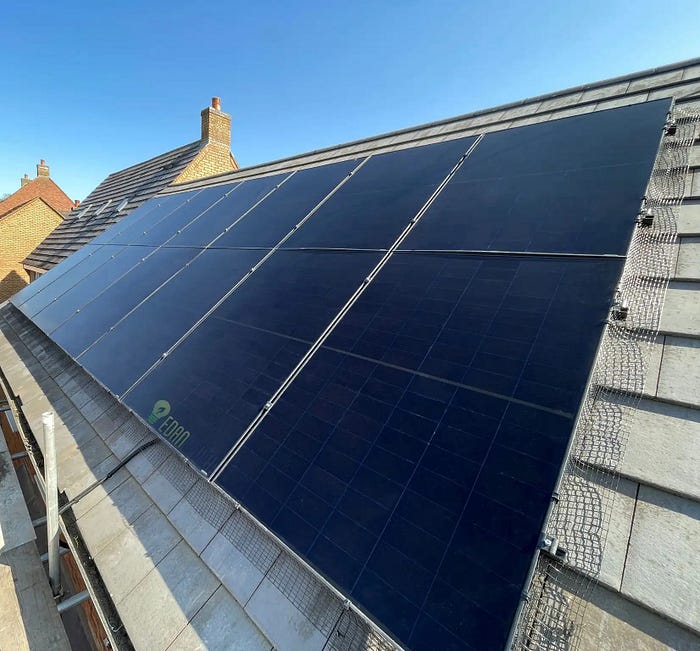
Whether you own a small house, a large commercial building, or even a rental property, learning how to install solar panels on roof systems can help you make a smart energy choice.
Furthermore, solar energy systems can increase property value while also helping the environment. Therefore, many people now see solar panels as a practical and long-term investment.
Companies like Edan Power provide professional solar installation services that make the process simple, safe, and stress-free.
What Does It Mean to Install Solar Panels on Roof?
To install solar panels on roof surfaces means placing solar photovoltaic (PV) panels on top of a building to capture sunlight and convert it into electricity.
After that, the system connects to your property’s electrical supply and powers lights, appliances, heating systems, and other electrical devices. In addition, solar panels help reduce the amount of electricity taken from the national grid.
A complete solar panel system usually includes:
Solar panels
Inverter
Mounting system
Electrical wiring
Battery storage (optional)
Monitoring system
Together, these parts work efficiently to create renewable energy for daily use. As a result, homes and businesses can lower energy costs and improve energy efficiency at the same time.
Why More People Install Solar Panels on Roof
Many property owners now install solar panels on roof spaces because energy prices continue to rise. At the same time, solar technology has become more affordable and reliable for both homes and businesses. Therefore, more people are switching to renewable energy solutions. In addition, government support and rising energy awareness have also increased interest in solar power systems.
Main Benefits of Solar Panels
Lower Electricity Bills
Solar panels produce free electricity from sunlight. As a result, homeowners can save money every month on energy bills. In addition, solar energy reduces dependence on expensive electricity suppliers. Therefore, many families enjoy better control over household energy costs.
Clean and Renewable Energy
Solar energy does not create harmful pollution. Therefore, it helps reduce carbon emissions and supports a cleaner environment. Moreover, renewable energy helps protect natural resources for future generations. As a result, solar panels are becoming a popular eco-friendly solution.
Increased Property Value
Homes with solar panel systems often attract more buyers because they offer energy savings and modern technology. Consequently, solar-equipped properties may achieve better resale value. In addition, buyers often prefer homes with lower energy costs.
Long-Term Investment
Most solar panels last 25 years or more. Furthermore, maintenance costs are usually low, which makes solar energy a cost-effective investment. Therefore, many homeowners view solar systems as a smart long-term financial decision.
Energy Independence
Solar systems reduce reliance on national energy providers and rising utility prices. As a result, property owners gain greater control over electricity usage and monthly costs. In addition, battery storage systems can provide backup energy during power cuts.
Best Roof Types for Solar Panel Installation
Before you install solar panels on roof structures, it is important to understand which roof types work best. Although many roofs are suitable for solar installation, some provide better sunlight exposure and easier installation conditions.
Pitched Roofs
Pitched roofs are one of the most common options for residential solar panel installation. In most cases, they allow panels to capture sunlight effectively while also supporting proper rainwater drainage.
Flat Roofs
Flat roofs are popular for commercial buildings. Therefore, installers use angled mounting systems to position the panels correctly for better sunlight exposure. As a result, flat roofs can still produce strong solar energy output.
Metal Roofs
Metal roofs are durable and highly suitable for solar systems because they can support panel weight easily. In addition, metal roofs often require less drilling during installation, which helps reduce roof damage risks.
Tile Roofs
Tile roofs can also support solar panels. However, installation may require extra care to protect roof materials and prevent breakage during the fitting process.
Important Things to Check Before Installation
A professional installer will inspect your property before beginning the project. This step is important because proper planning improves system performance and installation safety.
Roof Condition
Your roof should be in good condition because solar panels stay installed for many years. Therefore, repairing damaged areas before installation is highly recommended. In addition, roof repairs after installation can increase costs.
Roof Direction
South-facing roofs in the UK usually receive the best sunlight exposure. However, east- and west-facing roofs can also work efficiently depending on property location and energy needs.
Shading
Trees, nearby buildings, and chimneys may block sunlight and reduce solar efficiency. Consequently, installers carefully check shading levels before finalising the system design.
Roof Space
Larger roof areas allow more panels and higher electricity production. As a result, bigger roofs can generate more renewable energy throughout the year.
Structural Strength
The roof must safely support the weight of the solar panel system. Therefore, installers carefully inspect the roof structure before starting the installation process.
Step-by-Step Process to Install Solar Panels on Roof
Understanding the installation process helps property owners prepare for the project. In addition, knowing the steps involved makes the process easier and less stressful.
1. Property Assessment
First, solar experts inspect the roof, energy usage, and sunlight exposure. After that, they recommend the best solar solution for the property.
2. System Design
Next, the installer designs a solar system based on your energy needs and roof size. This step helps ensure maximum energy efficiency and better system performance.
3. Planning and Permissions
Some properties may require permissions, especially listed buildings or protected areas. Therefore, installers help property owners complete the necessary approvals.
4. Roof Preparation
After planning approval, installers prepare the roof surface and ensure it is safe for installation. In addition, they check all mounting points carefully.
5. Mounting System Installation
Strong brackets and rails are then attached to hold the solar panels securely. As a result, the system remains stable during different weather conditions.
6. Solar Panel Placement
Next, the panels are carefully fixed onto the mounting system to ensure proper positioning and sunlight exposure.
7. Electrical Connection
After panel installation, wiring and the inverter are connected to the property’s electrical system. Consequently, the system can begin converting sunlight into usable electricity.
8. System Testing
Finally, the installer checks that the solar system works correctly and safely before activation. In addition, they explain how to monitor the system performance.
How Long Does Solar Panel Installation Take?
Most residential projects take one to three days to complete. However, larger commercial installations may take longer depending on system size and roof complexity. In addition, weather conditions and roof access can also affect installation time. Therefore, installation schedules may vary between properties.
Cost to Install Solar Panels on Roof
The cost depends on several factors, including:
Roof size
Number of solar panels
Panel type
Battery storage options
Installation complexity
Energy requirements
Although the starting cost may seem high, solar systems usually provide long-term savings through reduced electricity bills. Therefore, many homeowners consider solar energy a valuable long-term investment. In addition, financing options can help make installation more affordable.
Solar Panel Maintenance Tips
Solar panel systems need very little maintenance. However, regular checks improve system performance and efficiency over time.
Keep Panels Clean
Dust, leaves, and dirt can reduce energy production. Therefore, cleaning the panels occasionally helps maintain good performance.
Monitor Energy Output
Most modern systems include apps or monitoring tools to track performance. As a result, property owners can quickly identify any issues and maintain efficiency.
Schedule Professional Inspections
Experts can identify wiring issues, damaged panels, or inverter problems early. Consequently, regular inspections help avoid expensive repairs later.
Check Roof Condition
Regular roof inspections help maintain both the roof and solar system for long-term safety and performance.
Common Mistakes to Avoid
Many people make simple mistakes when planning solar panel installation. However, careful planning helps avoid unnecessary problems and extra costs.
Choosing Cheap Equipment
Low-quality panels may not last long or perform efficiently. Therefore, investing in quality products is very important for long-term reliability.
Ignoring Roof Repairs
Old or damaged roofs should be repaired before installation. Otherwise, future roof problems may increase maintenance costs and create installation issues.
Hiring Unqualified Installers
Professional solar companies ensure safe and reliable installation. In addition, experienced installers help improve long-term system performance and safety.
Installing Without Energy Planning
Understanding household energy usage helps choose the right system size. As a result, the solar system can meet daily electricity needs more effectively.
Residential Solar Panel Installation
Homeowners often install solar panel on roof spaces to lower family energy costs and increase property value. In addition, residential solar systems provide clean energy for everyday use.
Residential solar systems can power:
Lighting
Kitchen appliances
Heating systems
Electric vehicle charging
Home offices
Furthermore, battery storage systems allow homeowners to use stored solar energy during evenings or cloudy days. As a result, families can reduce electricity costs even further.
Commercial Solar Panel Installation
Businesses also benefit from solar energy systems because commercial properties often use large amounts of electricity. Therefore, solar energy can significantly reduce operating costs.
Commercial solar panels help businesses:
Reduce operating costs
Improve sustainability goals
Build eco-friendly brand image
Lower long-term energy expenses
As a result, many warehouses, factories, offices, and retail stores now use roof-mounted solar systems to improve energy efficiency.
How Solar Panels Work
Solar panels contain photovoltaic cells that absorb sunlight and convert it into electricity.
𝑃 = 𝑉𝐼P=VI
After electricity is generated, it flows through an inverter, which changes it into usable power for homes and businesses. In addition, any extra electricity may be stored in batteries or sent back to the power grid. Therefore, solar systems help improve overall energy efficiency.
Battery Storage and Solar Energy
Battery systems are becoming more popular because they store unused solar electricity for later use. As a result, property owners can use solar power even during the evening or during cloudy weather.
Benefits of solar batteries include:
Backup power during outages
Better energy independence
Lower evening electricity costs
Improved energy efficiency
Furthermore, combining batteries with solar panels creates a more complete and reliable energy solution for homes and businesses.
Why Choose Professional Solar Installers
Professional installers understand safety standards, electrical systems, and roof structures. Therefore, choosing an experienced company is important for long-term system performance and safety.
Reliable solar companies provide:
Site inspections
Custom system design
Safe installation
Product warranties
Technical support
Maintenance services
In addition, Edan Power helps homeowners and businesses install solar panels on roof systems with expert guidance and high-quality solar solutions across the UK.
Future of Roof Solar Panels
The demand for solar energy continues to grow worldwide. Moreover, governments and businesses support renewable energy development because it reduces pollution and improves energy security.
Modern solar technology now includes:
High-efficiency panels
Smart energy monitoring
Solar batteries
Integrated roof solar tiles
Improved inverter systems
As technology continues to improve, solar panels become more affordable, more efficient, and more accessible for everyday use. Therefore, solar energy is expected to play a major role in the future of clean power.
So how to choose
Choosing to install solar panels on roof systems is a smart investment for both homes and businesses. Solar energy helps reduce electricity costs, increases energy independence, and supports a cleaner environment. Moreover, modern solar systems are reliable, long-lasting, and easy to maintain.
Before installation, it is important to assess roof condition, sunlight exposure, and energy needs. In addition, working with experienced professionals ensures safe installation and maximum energy performance.
Whether you want lower bills, better sustainability, or long-term savings, solar panels offer a practical solution for modern energy needs. Therefore, trusted companies like Edan Power can help make your solar journey simple, efficient, and cost-effective.