
How Much Money Can Solar Panels Save Over Their Lifetime?
Solar panels can help households cut their energy bills for many years. They turn sunlight into electricity that you can use at home. As energy prices change, solar power can also give you more control over your energy costs.
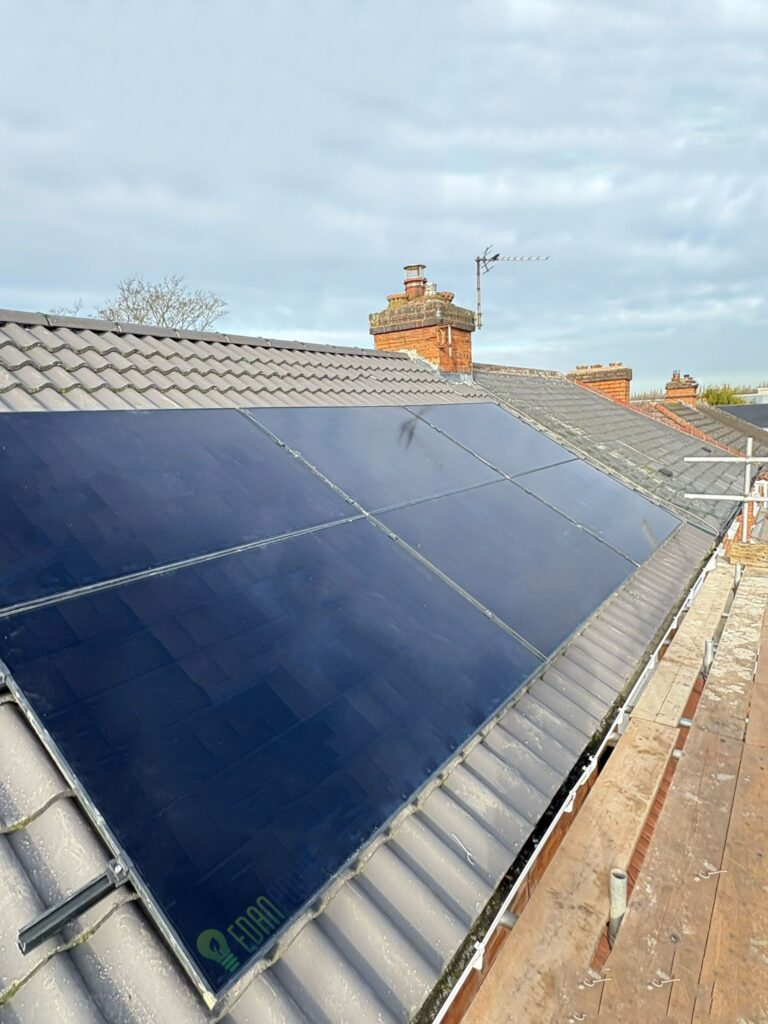
Many homeowners now look at solar panel Nottingham options when they want to lower monthly bills. However, one key question often comes first: how much money can solar panels save over their lifetime?
The answer depends on several factors. These include your electricity use, roof size, panel type, sunlight levels, system size, energy prices, and battery storage. Your home also plays a role because every property uses energy in a different way.
With a well planned solar installation, a home can save thousands of pounds over the system’s working life. In some cases, the total savings can be much higher.
How Do Solar Panels Work?
Solar panels use sunlight to produce electricity. Each panel contains many solar cells. These cells absorb light and create an electrical current.
The electricity first travels through an inverter. The inverter changes the electricity into a form that your home can use. You can then power lights, appliances, heating systems, and other electrical devices.
If your panels produce more electricity than your home needs, the extra power can go to a battery. Alternatively, you may be able to export surplus electricity to the grid through an eligible export tariff.
This makes solar power useful in many homes across Nottingham. Even though the UK has cloudy days, solar panels can still produce electricity from daylight.
How Are Solar Panels Made?
Solar panels are mainly made from materials such as silicon, glass, aluminium, and electrical components.
First, manufacturers produce silicon solar cells. They connect these cells together to create a panel. A protective layer helps shield the cells from weather and moisture.
Next, the cells sit between protective materials and strong glass. An aluminium frame then holds the panel together.
Modern panels are designed to handle rain, wind, snow, and changes in temperature. As a result, good-quality panels can keep producing electricity for decades.
When researching solar panel Nottingham, homeowners should look beyond the initial price. Panel quality, warranty, efficiency, inverter quality, and installation standards can all affect long-term value.
How Much Can Solar Panels Save?
There is no single saving figure for every home. However, a typical system can reduce the amount of electricity you need to buy from your energy supplier.
For example, imagine a home spends £1,500 each year on electricity. A solar system may reduce grid electricity use by a significant amount. The exact reduction depends on how much electricity the panels generate and how much of that power the household uses.
Suppose solar power reduces your annual electricity costs by £600. Over 25 years, that could represent:
£600 × 25 years = £15,000
That is a simple example, not a guarantee. Energy prices may rise or fall, and panel output can change over time.
A battery can also improve savings because it stores unused daytime electricity. You can then use that energy later in the evening when your panels are no longer producing power.
What Affects Lifetime Solar Savings?
Several factors can change the amount of money you save.
1. System Size
A larger system can produce more electricity. However, bigger is not always better. The system should match your roof, energy use, and budget.
2. Roof Direction
South-facing roofs often receive strong sunlight in the UK. East- and west-facing roofs can also work well. Roof angle, shading, and nearby buildings can affect output.
3. Household Electricity Use
Homes that use more electricity may have more opportunity to use solar power. Using electricity during daylight hours can also increase the value of your system.
4. Energy Prices
Higher electricity prices can increase the value of solar generation because each unit of solar electricity may replace a more expensive unit bought from the grid.
5. Battery Storage
A battery lets you save unused solar electricity for later. This can increase self consumption and reduce the amount of electricity you buy at night.
6. Panel Efficiency
Efficient panels can produce more electricity from the same roof area. This can be useful for homes with limited roof space.
7. Installation Quality
Good design and careful fitting matter. A professional solar installation should consider roof condition, shading, electrical requirements, panel placement, inverter position, and future maintenance.
Can Solar Panels Pay for Themselves?
Yes, solar panels can potentially pay for themselves through a combination of energy savings and payments for eligible exported electricity.
The time needed to recover the original cost is called the payback period.
For example, if a system costs £8,000 and provides an average financial benefit of £800 per year, the simple payback period would be around 10 years.
However, real-life results can differ. Electricity prices, system output, maintenance, battery costs, and export payments all affect the final figure.
After the payback period, the electricity produced by the system can continue to provide value. This is why the long working life of solar panels is important.
How Long Do Solar Panels Last?
Most modern solar panels are built for a long service life. Many come with performance warranties covering around 25 years or more.
Panels do not normally stop working after the warranty ends. Instead, their output may slowly decrease over time.
For example, a panel may produce slightly less electricity after many years than it did when it was new. Even so, it can continue generating useful power.
This long lifespan is one reason solar panel Nottingham remains an important search topic for homeowners who want a long-term energy solution.
What About Solar Panel Maintenance?
Solar panels usually need limited maintenance. There are no moving parts inside the panels, so there is less mechanical wear.
However, it is still useful to check the system from time to time.
Dirt, leaves, bird droppings, or heavy debris can reduce output. Trees can also grow and create new shade.
Your inverter may show useful information about system performance. If generation suddenly falls, the system should be checked.
A good solar installation should also include suitable protection, safe cable routes, correct electrical connections, and appropriate equipment.
Can Solar Panels Increase Home Value?
Solar panels can make a home more attractive to some buyers because they may offer lower energy bills and on-site electricity generation.
However, the effect on property value varies. Location, system ownership, installation quality, energy costs, and buyer demand all matter.
Homeowners should therefore view solar panels mainly as an energy and cost-saving investment rather than relying on a guaranteed increase in property value.
Solar Panel Nottingham: Is Solar Worth It?
For many Nottingham homeowners, solar can be a useful long-term investment.
The city receives enough daylight for solar panels to generate electricity throughout the year. Summer usually provides stronger generation, while winter output tends to be lower.
A properly designed system can still produce useful electricity during cloudy weather because solar panels use daylight rather than requiring direct, bright sunshine at all times.
Before choosing solar panel Nottingham solutions, it is wise to check your roof, electricity use, shading, system size, battery needs, and expected costs.
A professional survey can help you understand the likely output and financial benefits for your property.
How Can You Get Better Solar Savings?
The best savings often come from using more of your own solar electricity.
For example, you could run a washing machine or dishwasher during the day when your panels are producing power. You could also schedule some appliances to operate around periods of expected solar generation.
A battery can help when daytime use is low. It stores surplus electricity and releases it when needed.
Smart energy use can therefore improve the value of your solar installation without changing the panels themselves.
Are Solar Panels a Good Long-Term Investment?
Solar panels can offer several financial benefits.
First, they can reduce electricity purchases. Second, they can provide value from surplus electricity that is exported under suitable arrangements. Third, they can provide protection against some future energy price increases.
The system can also reduce reliance on the electricity grid.
However, solar is not a way to eliminate every energy bill. Most homes still use grid electricity at certain times. Standing charges and other costs may also remain.
Therefore, realistic expectations are important when calculating lifetime savings.
What Is the Total Lifetime Saving?
Let’s use a simple example.
Imagine a household installs a system that provides an average benefit of £700 per year.
Over 25 years:
£700 × 25 = £17,500
If the system costs £8,000, the simple difference would be:
£17,500 − £8,000 = £9,500
This example does not include every possible cost or income. Actual results will depend on the system, electricity prices, maintenance, battery use, export payments, and future energy consumption.
Still, it shows why lifetime savings can be much larger than yearly savings.
For some homes, a well-planned solar installation may provide value for 25 years or longer.
Final Thoughts
Solar panels can save a substantial amount of money over their working life. The exact amount depends on your home and how you use electricity.
A good system should match your roof, energy demand, budget, and future plans. Panel quality also matters, but so does the design and fitting of the complete system.
For homeowners researching solar panel Nottingham, it is useful to compare expected generation, system costs, battery options, warranties, and potential savings before making a decision.
Solar power is not only about saving money today. It can also help you produce your own electricity for many years.
With the right planning, a quality solar installation can turn sunlight into useful energy and long-term financial savings.
Frequently Asked Questions
How much money can solar panels save in 25 years?
Savings vary by property. A system saving £600 per year could provide around £15,000 in simple electricity savings over 25 years. Actual results can be higher or lower.
Do solar panels work on cloudy days?
Yes. Solar panels can generate electricity from daylight even when the sky is cloudy. However, output is usually lower than on bright sunny days.
How long do solar panels last?
Many modern panels have performance warranties of around 25 years or more. They can often continue working beyond the warranty period, although output may slowly decline.
Do solar panels need regular cleaning?
They usually need little maintenance. Rain can remove some dirt naturally. However, heavy dirt, leaves, bird droppings, or nearby trees may affect performance.
Is a battery necessary with solar panels?
No. You can use solar power without a battery. However, a battery can store surplus electricity for later use and may help increase self-consumption.
How does a solar battery work?
A solar battery stores electricity generated by your panels when your home does not need all of it. Later, the stored electricity can help power your home when solar generation is low.
What is the best roof direction for solar panels in Nottingham?
South-facing roofs often provide strong solar generation in the UK. East- and west-facing roofs can also work well. Shading and roof angle should also be considered.
Can solar panels work in winter?
Yes. Solar panels still generate electricity in winter because there is daylight. However, shorter days and lower sunlight levels usually mean less generation than in summer.
How can I calculate my solar savings?
Start with your yearly electricity use, current electricity costs, roof space, expected solar generation, system price, battery use, and possible export income. A professional assessment can provide a more accurate estimate.
Are solar panels worth it in Nottingham?
They can be worthwhile for many homes. The best results depend on roof conditions, electricity use, system cost, shading, panel performance, and how much solar electricity the household can use.
What should I check before choosing solar panel Nottingham services?
Check the installer’s experience, accreditation, equipment warranties, panel specifications, inverter quality, battery options, system design, insurance, and aftercare. Compare the full system cost rather than looking only at the panel price.
Can solar panels remove my electricity bill completely?
Usually not. Most homes still have some grid use and standing charges. However, solar can reduce the amount of electricity purchased from the grid and therefore lower overall energy costs.
Is solar installation expensive?
The price depends on system size, equipment, roof design, battery storage, and installation requirements. It is better to compare the expected lifetime savings with the complete upfront cost.
Does solar panel efficiency affect savings?
Yes. More efficient panels can generate more electricity from a smaller roof area. However, efficiency is only one part of the decision. Price, warranty, inverter quality, shading, and system design also matter.