
Is 20kW Solar Enough to Run a House?
A 20kW solar system is a large residential solar setup. For many homes, it can produce a substantial amount of electricity throughout the year. However, whether it can run a whole house depends on several factors. These include household energy use, roof space, sunlight, appliances, battery storage and how much electricity the home uses during the day.
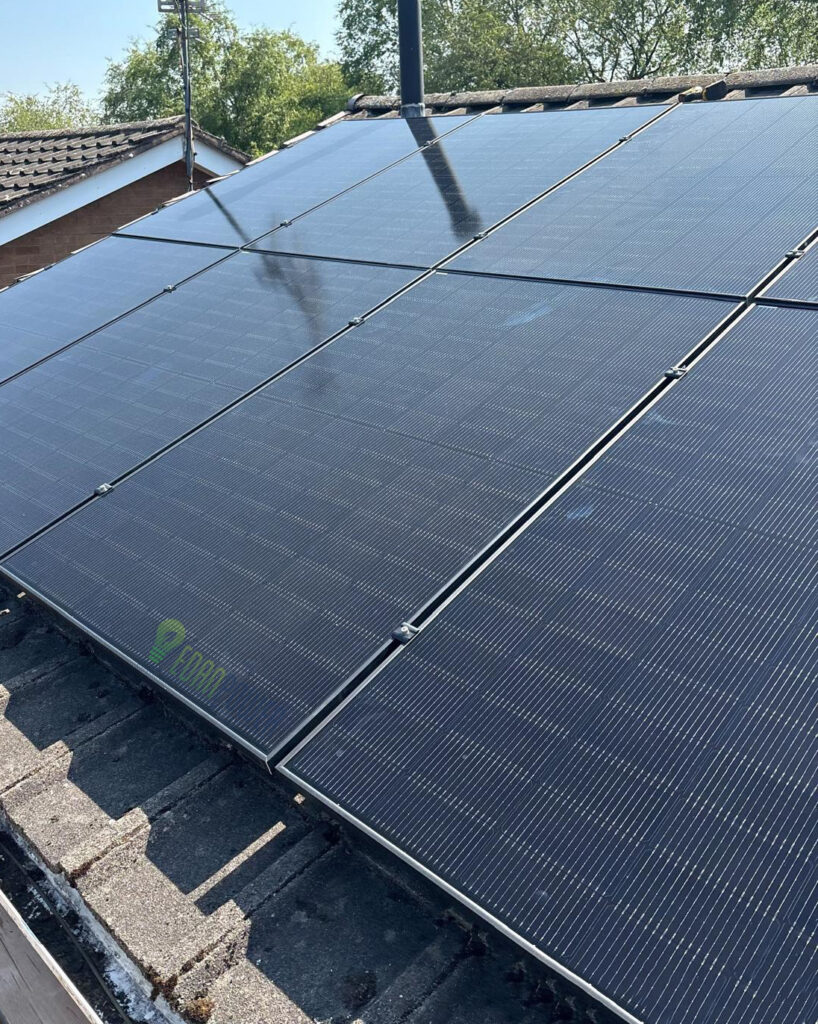
In Shropshire, homeowners are also looking at solar pv shrewsbury systems as a way to reduce electricity bills and make better use of renewable energy. A well-designed system can generate a large amount of clean power, but it is important to understand how generation and household demand work together.
What Does a 20kW Solar System Mean?
A 20kW solar system has a total panel capacity of 20 kilowatts. The system uses several solar panels connected together to produce electricity from sunlight.
For example, if a panel has a power rating of 400 watts, a 20kW system would need around 50 panels. The exact number depends on the panel size selected.
However, a 20kW rating does not mean the system produces 20kW all day. Solar generation changes throughout the day. It also changes with the season and weather.
Solar power works best when sunlight reaches the panels directly. During sunny periods, generation can be high. On cloudy days, output falls. At night, the panels do not generate electricity.
Therefore, a 20kW system should be viewed as the maximum rated capacity rather than a constant power supply.
How Much Electricity Can 20kW Solar Produce?
The annual output of a 20kW system depends on location, roof direction, panel angle, shading and weather.
In the UK, a well-positioned system can generate a significant amount of electricity over a year. However, the output varies between summer and winter.
During summer, longer daylight hours can produce strong generation. In winter, shorter days and lower sunlight levels reduce production.
This is one reason why solar pv shrewsbury installations need careful design. A professional installer can assess the property and estimate expected annual generation before installation.
The system should also be matched with the home’s electricity demand. A household that uses electricity for heating, cooking, electric vehicles and hot water will have a very different energy profile from a smaller home with gas heating.
Can 20kW Solar Run a Normal House?
For many homes, a 20kW system can produce more electricity than the household needs over a year. However, that does not mean the home will always run entirely from solar power.
Consider a house that uses electricity during the evening. Solar panels may generate plenty of power during the afternoon, but they produce little or no electricity after sunset.
This creates a timing difference between generation and demand.
A battery can help solve this problem. During sunny hours, surplus electricity can charge the battery. Later, the stored power can supply appliances when solar generation drops.
Battery storage can therefore make a large solar system much more useful for a household.
Why Battery Storage Matters
A battery does not create electricity. Instead, it stores electricity generated by the solar system for later use.
For example, imagine a home produces 15kWh of solar electricity during the day but only uses 8kWh while the panels are generating. The extra electricity may be stored in a battery, exported to the grid or used for another suitable load.
Later, the household may need electricity for lighting, cooking, entertainment and appliances. Stored power can then help meet that demand.
For homeowners considering solar pv shrewsbury, battery storage can be an important part of the system design.
The right battery size depends on daily consumption. A very large battery is not automatically better. It should match the home’s usage, solar generation and preferred energy strategy.
What Appliances Can a 20kW System Support?
A 20kW solar system can support many household appliances when enough solar electricity is available.
These may include:
Refrigerators and freezers
Washing machines
Dishwashers
Ovens and electric hobs
Lighting
Televisions
Computers
Heat pumps
Electric showers
Hot water systems
Air conditioning
Electric vehicle chargers
However, appliances do not all use the same amount of electricity.
An electric shower, oven or heat pump can create a high demand for power. Smaller devices such as televisions and LED lights use much less.
Consequently, homeowners should look at both total daily consumption and peak demand.
Solar Generation and Household Demand
One of the most important points about solar is that generation and consumption do not always happen at the same time.
A family might use most of its electricity between 6pm and 10pm. Yet solar generation is usually strongest around the middle of the day.
This is why smart energy management can make a difference.
For instance, a washing machine or dishwasher can run during daylight hours when solar generation is high. An electric vehicle can also charge during periods of strong solar production.
A battery can then help cover some evening demand.
With careful planning, solar pv shrewsbury systems can provide a high level of renewable electricity for homes and reduce reliance on grid electricity.
What About Winter?
Winter is one of the biggest considerations when deciding whether 20kW solar is enough.
A system may generate strong amounts of electricity during bright summer days. However, winter brings shorter daylight hours, lower sun angles and more frequent cloudy conditions.
As a result, a household can still need grid electricity even with a large solar array.
This does not mean the solar system has failed. Instead, it reflects the seasonal nature of renewable generation.
The annual picture is more useful than looking at one day or one month. A 20kW system can generate substantial electricity over the year, while the grid can provide additional power when solar output is low.
Does Roof Size Matter?
Yes. A 20kW system requires considerable roof space.
Around 50 panels may be needed if 400W panels are selected. The final number depends on the panel wattage.
The roof should also have enough space for safe installation and maintenance. Roof orientation, pitch and shading matter too.
For example, a south-facing roof can offer strong solar exposure, while east- and west-facing roofs can also work well. Trees, chimneys and nearby buildings may create shading that reduces generation.
A professional survey can identify these issues before installation.
This approach is also useful for solar pv shrewsbury, where each property has its own roof structure and local conditions.
Solar Panels and Electric Vehicles
Electric vehicles can significantly increase household electricity consumption.
Charging an EV at home may use more electricity than many traditional household appliances. However, it can also create an excellent opportunity to use surplus solar power.
Instead of sending excess electricity to the grid, homeowners can use it to charge their vehicle when solar generation is available.
Smart charging systems can help coordinate solar generation, household demand and vehicle charging.
Therefore, a 20kW system can be particularly useful for a larger home with one or more electric vehicles.
Solar Panels and Heat Pumps
Heat pumps can also increase electricity demand.
Unlike a traditional gas boiler, a heat pump uses electricity to move heat. Its electricity consumption changes according to weather, heating requirements and system efficiency.
A large solar installation can help offset some of this demand, especially during daylight hours.
However, winter heating demand can remain high when solar generation is lower. Battery storage and grid electricity may therefore still play a role.
For homeowners researching solar pv shrewsbury, it is important to consider future energy changes as well as current usage.
What Is the Difference Between Solar Capacity and Energy?
The terms power and energy are related but different.
Power describes the rate at which electricity is produced or used. It is measured in watts or kilowatts.
Energy describes the ability to do work or provide power. In solar systems, energy is commonly measured in kilowatt-hours, or kWh.
A 20kW system describes its maximum power rating. It does not mean that the system generates 20kWh every hour.
This distinction is important when calculating whether a solar system can meet household demand.
How Much Electricity Does a Home Need?
There is no single answer because homes vary greatly.
A small household with efficient appliances may use relatively little electricity. A larger property with electric heating, an EV, a heat pump and high appliance use may consume much more.
Before choosing a 20kW system, homeowners should review their electricity bills. Looking at annual kWh usage gives a clearer picture of actual demand.
The calculation should also consider future changes.
For example, a household may plan to install an EV charger or replace a gas boiler with a heat pump. These changes can increase future electricity consumption.
A good solar design should therefore look beyond today’s usage.
Is 20kW Too Large for Some Homes?
It can be.
A 20kW system may exceed the needs of a smaller household. In such cases, the additional panels may not provide the same financial value as a smaller, well-matched system.
However, a larger system can make sense for properties with high electricity demand.
For example, a large home with several occupants, electric heating, an EV and other high-use appliances may benefit from greater solar capacity.
The correct system size depends on actual consumption, available roof space, budget and the homeowner’s long-term energy plans.
Solar PV Shrewsbury for Larger Homes
For households in Shrewsbury and nearby areas, solar pv shrewsbury can provide a practical way to generate renewable electricity at home.
A suitable installation can combine solar panels, an inverter, battery storage and smart energy controls. Together, these components can help a household make better use of the electricity it generates.
The local climate should still be considered. Solar panels work with daylight rather than heat, so they can generate electricity throughout the year. Nevertheless, seasonal changes affect total output.
A professional assessment can estimate expected production and identify the most suitable panel layout.
Solar Panel Nottingham and Other Regional Searches
Homeowners often search for terms such as solar panel nottingham, solar panels Birmingham and other local solar services when comparing installers and system options.
These regional searches reflect an important point: solar performance depends on the property, not simply the town name.
A good system design considers roof direction, shading, panel technology, inverter selection and household demand.
The same principle applies whether someone is researching solar pv shrewsbury, solar panel Nottingham or solar panels Birmingham.
Solar panel solutions can be designed around the needs of individual properties rather than using a one-size-fits-all approach.
Solar Panels Birmingham and Wider UK Demand
The growing interest in solar panels birmingham also shows how homeowners and businesses are exploring renewable electricity in different parts of the UK.
Solar panels can provide electricity during daylight hours and may reduce the amount of power a property needs to buy from the grid.
For larger homes, adding battery storage can improve the use of generated electricity. Furthermore, smart controls can help shift certain loads into periods when solar production is high.
Solar panels Birmingham is also a useful category for businesses looking at larger-scale solar requirements.
How to Make a 20kW System More Effective
Several simple measures can improve solar self-use.
First, run flexible appliances during daylight hours where possible. Washing machines, dishwashers and EV chargers can often operate when solar production is high.
Next, consider battery storage if evening electricity use is significant.
Also, use smart energy controls where suitable. These systems can help manage different electrical loads.
Finally, reduce unnecessary energy use. Efficient appliances, LED lighting and good insulation can reduce demand.
These steps allow more of the electricity generated by the solar system to benefit the property.
Frequently Asked Questions
Is 20kW solar enough for a large house?
For many large homes, 20kW can provide substantial electricity generation. However, whether it covers the home’s full demand depends on annual consumption, heating systems, EV charging and other electrical loads.
Can a 20kW solar system run a house at night?
Solar panels do not generate electricity at night. A battery can store surplus daytime generation and provide electricity later. Otherwise, the home may need electricity from the grid.
How many panels are needed for 20kW?
The number depends on panel wattage. With 400W panels, around 50 panels would provide 20kW of rated capacity.
Does a 20kW system work in winter?
Yes. Solar panels continue to generate electricity during winter daylight hours. However, winter output is usually lower than summer output because daylight hours are shorter and sunlight levels change.
Is a battery necessary with 20kW solar?
A battery is not essential, but it can be useful. It allows surplus daytime generation to be stored for later use, which can increase the amount of solar electricity used within the property.
Can 20kW solar charge an electric car?
Yes. A 20kW solar system can generate enough electricity to support EV charging when solar production is available. Smart charging can help make better use of surplus generation.
How do I know if 20kW is suitable for my home?
Review annual electricity consumption, roof space, future energy plans and peak electricity demand. A professional solar assessment can then help determine an appropriate system size.
Conclusion
So, is 20kW solar enough to run a house? For many larger homes, it can generate a very large amount of electricity and may cover a significant share of annual demand. However, it does not guarantee complete energy independence throughout every hour of the year.
The key factors include electricity consumption, roof conditions, seasonal generation, appliance use, battery storage and energy management.
For homeowners considering solar pv shrewsbury, the best approach is to design the system around real household requirements. A larger solar array can be especially useful when a property has electric heating, an EV, a heat pump or several high-demand appliances.
A properly planned system can combine Solar, energy storage and smart controls to make better use of renewable electricity. Choosing a trusted solar panel installer Edan Power with excellent customer support can also help homeowners understand their system options and plan an installation around their property’s needs.
Ultimately, a 20kW system can be a powerful option for a high-energy home. The right design, suitable equipment and sensible energy management are what determine how effectively the system can meet household electricity needs.