
How Many Solar Panels Do I Need for 10kWh Per Day?
If your home uses around 10kWh of electricity each day, you may wonder how many solar panels you need. The answer depends on several factors. These include panel power, sunlight, roof direction, shading, weather and your yearly electricity use.
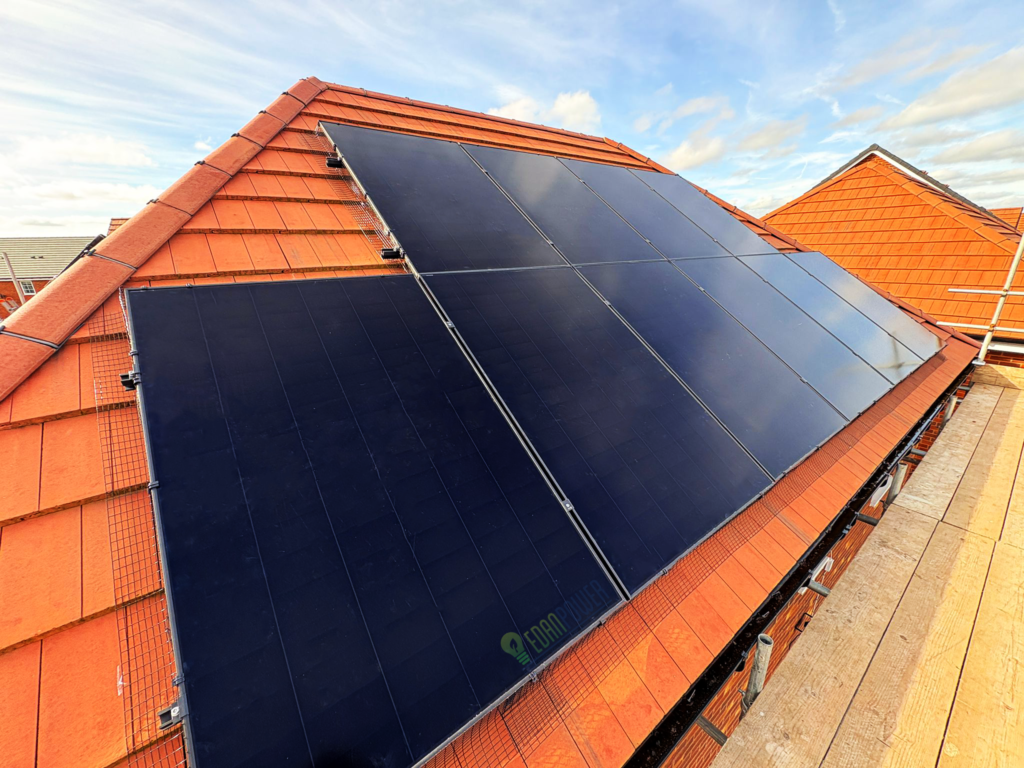
As a simple guide, a typical UK home using 10kWh per day may need around 6 to 10 solar panels. However, the exact number can change. Therefore, a proper solar installation should always be planned around your home and energy needs.
Understanding Your Daily Energy Use
Before planning a solar installation, check how much electricity your home uses over a full year. Your electricity bills can help with this.
If you use 10kWh each day, your yearly use would be about 3,650kWh. However, your home will not use the same amount every day. Winter can bring higher demand, while summer may have lower demand.
Your usage pattern also matters. For example, washing machines, electric showers, ovens, heat pumps and electric heating can increase your demand.
It is also useful to know when you use electricity. If most of your electricity use happens during the day, you may use more solar power directly. If you use more power in the evening, a battery could help store extra electricity for later.
How Many Solar Panels Are Needed?
Panel wattage plays an important role when deciding how many panels you need.
For example, imagine you choose a 400W solar panel. Ten panels would create a system with a total rated capacity of 4kW.
However, this does not mean the system will produce 4kWh every hour. Solar output changes during the day. It also changes with the season and weather.
A 4kW system may produce around 3,200 to 4,000kWh per year in suitable UK conditions. The actual figure depends on the roof, location, shading, panel direction and system design.
Therefore, if your home uses about 3,650kWh per year, a 4kW system could be a useful starting point. With 400W panels, this would mean around 10 panels.
A professional solar installation company can calculate the expected yearly output more accurately before you make a decision.
Does Panel Wattage Make a Difference?
Yes. Modern solar panels are available in different power ratings.
For example, 350W, 400W and 450W panels can all be used for home systems. Higher-output panels can produce more electricity from each panel.
Nine 450W panels would provide 4.05kW of installed capacity. Ten 450W panels would provide 4.5kW.
This can be useful when roof space is limited. Fewer high-output panels may provide similar capacity to a larger number of lower-output panels.
Still, panel wattage is not the only factor to consider. Efficiency, warranty, roof space, shading and price should also be reviewed.
How Sunlight Affects Solar Generation
Sunlight is one of the biggest factors in solar power generation. A roof with good exposure can produce more electricity than one that is heavily shaded.
South-facing roofs can provide strong solar output in the UK. However, east-facing and west-facing roofs can also work well.
Trees, chimneys, nearby buildings and other structures may create shade. Even partial shade can affect system performance, depending on the system design.
For this reason, a professional solar installation should include a roof assessment. This allows the installer to review the roof direction, pitch, usable space and possible shading.
The aim is not simply to fit as many panels as possible. Instead, the aim is to create a system that gives useful energy throughout the year.
Location Can Change the Number of Panels
Location also affects solar performance. Different parts of the UK receive different levels of sunlight throughout the year.
For example, a system designed for solar panel Nottingham should be assessed according to the property’s roof, local weather and shading. The same applies to homes in Birmingham, Leicester, Derby, Solihull and other areas.
The phrase solar panels Birmingham is often used when homeowners and businesses search for local solar services. However, location alone does not decide the correct system size. The property itself must also be assessed.
A good solar installation design therefore considers both the local area and the individual building.
What About Roof Space?
Roof space is another important factor. Your roof may look large, but not every part can be used for panels.
Roof windows, chimneys, vents and roof edges can reduce the usable area. Safe access and suitable panel spacing must also be considered.
If space is limited, high-wattage panels may be useful. They can provide greater system capacity without requiring as many individual panels.
However, the best option should balance performance, cost and available space. A larger system is not automatically better if it does not suit your electricity needs.
Solar Panels and Battery Storage
A battery can change how you use the electricity generated by your solar panels.
During sunny periods, your panels may produce more electricity than your home needs. Instead of allowing all the surplus to go to the grid, a battery can store some of it.
Later, when the sun has gone down, the stored electricity can help power lights, appliances and other household loads.
For a home using around 10kWh per day, a battery may be useful. However, the correct battery size depends on how much electricity you use during the day and evening.
A battery does not create extra solar energy. It simply stores energy that has already been generated.
This means your solar installation should be designed as one complete system. Panels, inverter and battery storage should work together.
A Simple 10kWh Example
Imagine a home that uses 10kWh per day.
That equals around 3,650kWh per year.
Now imagine the property has a good roof with limited shading and uses 400W solar panels. Ten panels would provide 4kW of installed capacity.
The system may generate enough yearly electricity to cover a large part of the home’s annual demand. However, it will not produce exactly 10kWh every day.
During bright summer days, generation may be much higher. During short winter days, output may be much lower.
This is why a solar installation should be assessed over the whole year rather than judged by one day’s output.
Why Professional Solar Planning Matters
A complete solar installation involves more than attaching panels to a roof.
It can include:
Solar panels
Inverter
Mounting equipment
Cabling
Electrical protection
Monitoring equipment
Battery storage, where required
The inverter converts electricity generated by the panels into electricity that your home can use.
A professional installer can estimate annual generation and help you understand how much electricity you may use directly. They can also identify possible shading and roof limitations.
For homeowners who want a reliable service, a trusted solar panel installer Edan Power with excellent customer support can help make the process clear and straightforward.
The right installer should explain the system in simple terms and provide a design based on the actual property.
Useful Solar and Energy Terms
The word Solar relates to the sun and the power we can obtain from it.
Energy is the ability to do work. Electricity is one common form of energy used in homes and businesses.
A battery stores electrical energy so it can be used later.
When comparing a solar panel, check its power rating, efficiency, warranty and expected performance.
You can also compare different solar panels based on your roof space and annual electricity use.
For commercial properties, solar panels birmingham can be considered when planning a larger solar system.
What Can Change the Number of Panels?
Several factors can change the number of panels required for 10kWh per day.
Panel Wattage
Higher-output panels can reduce the number of panels needed for the same system capacity.
Roof Direction
Roof orientation affects how much sunlight the panels receive throughout the day.
Shading
Trees, buildings and chimneys can reduce solar generation.
Roof Pitch
The angle of the roof can affect yearly solar performance.
Weather
Cloudy weather can reduce daily electricity generation.
System Losses
Inverter losses, cable losses, temperature and dirt can all reduce the amount of electricity available to your home.
Energy Usage
A home that uses more electricity during daylight hours may use more solar power directly.
Battery Storage
A battery can help you use more solar electricity after sunset, although it does not increase the amount your panels generate.
Because of these factors, there is no single panel count that works for every home using 10kWh per day.
Is 6 to 10 Panels Enough?
For some homes, yes. For others, more panels may be better.
A six-panel system using 450W panels would have a rated capacity of 2.7kW. Ten 400W panels would provide 4kW.
The larger system will normally have greater generation potential, but the best choice depends on your yearly demand and roof conditions.
A professional solar installation assessment can compare different system sizes and show the expected yearly generation.
FAQs
How many 400W panels do I need for 10kWh per day?
Around 8 to 10 panels may be a useful starting range for a typical UK home. However, the final number depends on location, roof direction, shading and yearly electricity use.
Can six solar panels produce 10kWh in one day?
They may produce 10kWh on a very sunny day if the panels have enough capacity and conditions are suitable. However, daily output changes, so six panels should not be expected to produce 10kWh every day.
Do I need a battery with solar panels?
Not always. A battery can help you use more solar electricity after sunset, but it may not be necessary for every home.
Will solar panels work during winter?
Yes. Solar panels still generate electricity during winter. However, shorter days, weaker sunlight and cloudy weather usually mean lower output.
Does roof direction affect solar power?
Yes. Roof direction, pitch and shading can all affect solar generation. A roof survey can help identify the most suitable panel layout.
Is a bigger solar system always better?
No. The system should match your electricity use, roof space and budget. A very large system may cost more without providing the best value for your needs.
How long does a solar system last?
Good-quality solar panels can provide useful electricity for many years. The exact lifespan depends on the equipment, installation quality and maintenance.
Conclusion
If your home uses around 10kWh of electricity each day, you may need roughly 6 to 10 modern solar panels. However, the exact number depends on panel wattage, sunlight, roof direction, shading and your yearly electricity demand.
A 4kW system with ten 400W panels is a useful example, but every property is different. Therefore, focus on expected yearly generation rather than simply counting panels.
With careful planning, solar panels can reduce your reliance on grid electricity and help your home make better use of renewable energy. A battery can provide extra flexibility, while professional design can help you select the right system size.
A well-planned solar installation should make good use of your roof, match your energy needs and provide dependable performance for many years.