
What Is the Biggest Downside to Solar Electricity?
Solar electricity has become a popular choice for homes and businesses across the UK. It can help reduce electricity bills, lower carbon emissions, and make better use of clean energy. However, like any major home improvement, solar electricity also has some drawbacks.
The biggest downside is that solar electricity depends on sunlight. Solar panels produce the most power during daylight hours, but they produce less energy on cloudy days and none at night. This means a home may still need electricity from the grid unless it has a suitable battery storage system.
Even so, this does not mean solar electricity is a poor choice. In fact, with good planning, the benefits can often outweigh the disadvantages. Homeowners can improve their results by choosing the right system, using electricity during the day and considering battery storage.
This article explains the main disadvantages of solar electricity and looks at how homeowners can manage them.
What Is Solar Electricity?
Solar electricity comes from sunlight. A solar panel uses photovoltaic cells to turn sunlight into electrical power. An inverter then changes the electricity into a form that household appliances can use.
You can learn more about solar energy and how sunlight supports modern technology.
For homeowners, solar power for home systems can provide electricity for lights, appliances, heating controls and other household needs. The amount of electricity produced depends on several factors, including the size of the system, roof direction, roof angle, shading, weather and daylight hours.
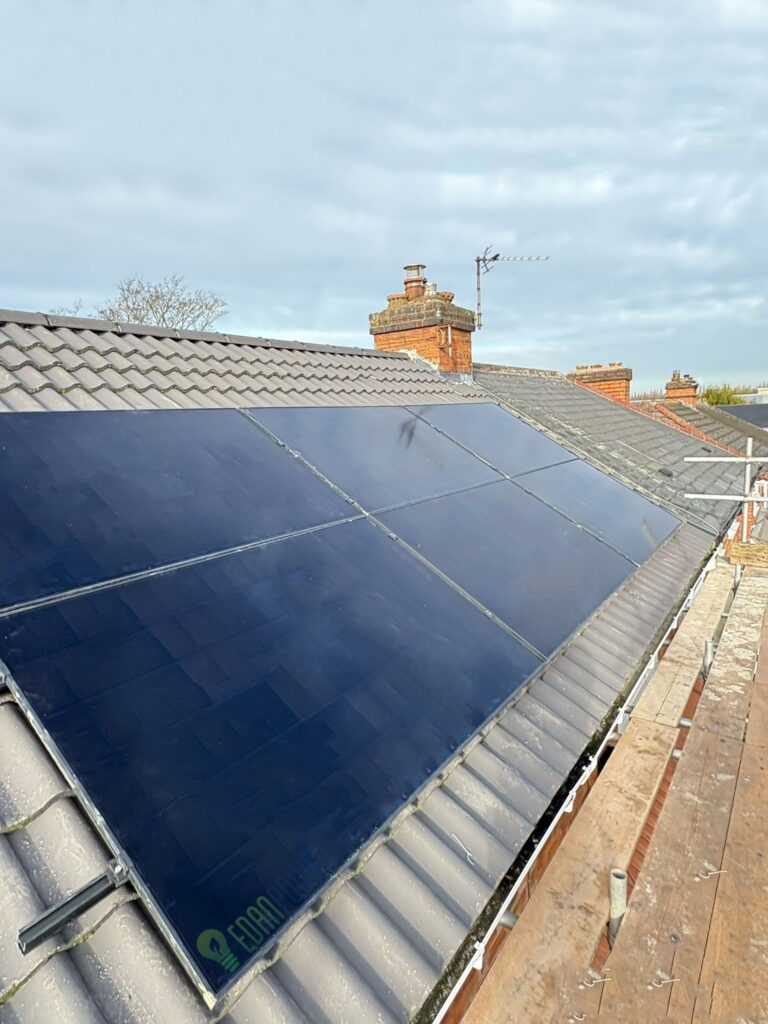
As a result, every property can have different results.
The Biggest Downside: Solar Depends on Sunlight
The main weakness of solar electricity is simple: it cannot produce power at the same level all day and all year.
During sunny periods, a solar panel can generate a strong amount of electricity. However, output falls when clouds block sunlight. In winter, shorter days also reduce the amount of available sunlight.
At night, solar panels stop generating electricity completely.
This creates a challenge for homeowners who use the most electricity in the evening. For example, a family may generate plenty of electricity at lunchtime when nobody is home. Later, when everyone returns from work or school, electricity use can rise while the solar panels produce little or no power.
Therefore, good energy management matters.
A home battery can help store some of the extra electricity produced during the day. The stored power can then help meet evening demand.
This is one reason why solar power for home systems often work better when homeowners consider their daily electricity use before installation.
Solar Panels Have an Upfront Cost
Another important downside is the initial cost.
Buying and installing solar panels requires an investment. The final price depends on the size of the system, roof design, equipment, labour and any extra components.
A battery can increase the initial cost further. However, it can also allow homeowners to use more of their own generated electricity rather than sending excess power to the grid.
The important point is that homeowners should look beyond the installation price alone. A solar system can continue producing electricity for many years. Therefore, the long-term value matters too.
A well-designed solar panel system should match the property’s electricity needs, available roof space and budget.
Solar Output Changes During the Year
Solar electricity does not produce the same amount of power every month.
During summer, longer daylight hours can provide strong generation. In winter, shorter days and lower levels of sunlight can reduce output.
This seasonal change can surprise new solar owners.
For example, a household might generate a large amount of electricity during a bright summer day but much less during a short winter day. As a result, homeowners should not judge their whole system by one month of performance.
Instead, it is better to consider annual generation.
The UK’s changing weather does not stop solar panels from working. They can still generate electricity on bright or cloudy days. However, direct sunlight normally provides stronger output.
Battery Storage Can Reduce the Problem
A battery can make solar electricity more useful for many households.
During the day, the solar panels may produce more electricity than the home needs. Instead of wasting that surplus, a suitable battery can store some of it.
Later, the household can use the stored electricity.
For example, solar panels may produce electricity at 1 pm while a family is away at work or school. The battery can store part of the surplus. Then, at 7 pm, the family can use stored power for lights, appliances and other needs.
A battery therefore helps bridge the gap between solar generation and household demand.
However, batteries also have a cost and a limited storage capacity. They need careful sizing to provide useful results.
Roof Space Can Be a Limitation
Not every home has a large, clear roof that faces the ideal direction.
Chimneys, nearby buildings, trees and other structures can create shade. Roof windows can also reduce the available space for panels.
Older roofs may need repairs before installation. In some cases, roof design can make installation more complex.
Fortunately, modern solar installers can assess these factors before work begins.
The aim is not simply to fit as many solar panels as possible. Instead, the system should make good use of the available roof space while considering safety, generation and household demand.
Solar Panels Need Good Installation
The quality of installation can affect the long-term performance of a solar system.
Poor positioning, incorrect wiring or unsuitable equipment can create problems. Therefore, choosing an experienced installer is important.
For example, homeowners looking for solar panel Nottingham services should compare installers carefully. The same applies to people researching solar panels Birmingham or other areas across the UK.
A professional installer should assess the property before recommending equipment. They should also explain the expected generation, system size, battery options and maintenance needs in clear language.
Choosing a trusted solar panel installer Edan Power with excellent customer support can help homeowners feel more confident about the installation process.
Maintenance Is Another Consideration
Solar panels are generally low-maintenance, but that does not mean they can be ignored completely.
Dirt, leaves, bird mess and other debris can affect panel performance. Trees may also grow and create new shading over time.
Most homeowners will not need to clean their panels every week. However, it is sensible to keep an eye on the system and check for unusual changes in generation.
An inverter may also need attention during its working life. Batteries have their own operating limits and expected service life.
Regular checks can help identify problems early.
Solar Electricity May Not Remove Your Grid Connection
Some people believe installing solar panels means they can stop using the electricity grid completely.
For most homes, that is not realistic without a large and carefully designed battery system, plus other equipment.
The grid can still provide electricity when solar generation is low. This makes the grid useful during winter, at night and during periods of high household demand.
For this reason, solar power for home should normally be viewed as a way to reduce grid electricity use rather than automatically replace it completely.
A grid-connected system can offer a practical balance between solar generation and reliable electricity supply.
Solar Panels Can Still Offer Major Benefits
Although solar electricity has disadvantages, it also offers several strong benefits.
First, solar panels can reduce the amount of electricity a home buys from the grid. Over time, this can help reduce energy costs.
Second, solar electricity uses sunlight rather than burning fossil fuels at the point of generation. This can help households reduce their carbon footprint.
Third, solar panels can provide greater control over household electricity use. With monitoring equipment, homeowners can see when their system produces power and how much electricity the home consumes.
Finally, adding a battery can improve the amount of generated electricity that a household uses itself.
Therefore, the disadvantages should not be viewed in isolation.
How Can Homeowners Get Better Results?
Homeowners can take several simple steps to improve their solar investment.
First, choose the right system size. Bigger is not always better if the property cannot use the extra electricity.
Next, try to use more electricity during daylight hours. Running a washing machine, dishwasher or other suitable appliance when solar generation is high can increase self-use.
A battery can also help shift daytime electricity into the evening.
In addition, monitor your system. Understanding generation and consumption makes it easier to change daily habits.
Good planning can make solar power for home a practical long-term energy solution.
Solar Electricity and UK Homes
Solar technology continues to attract interest from homeowners across the UK.
People searching for solar panel Nottingham options may have different requirements from homeowners considering solar panels Birmingham. Roof size, property type, electricity use and local conditions can all affect the best solution.
Similarly, households in other regions may need different system sizes or equipment.
The key is to focus on the needs of the property rather than choosing a system based only on price.
Category keywords such as solar panel Nottingham, solar panels Birmingham, solar installation, renewable energy, battery storage and home energy systems all relate to the wider solar electricity market.
A professional assessment can help homeowners understand what is realistic for their property.
Is Solar Electricity Worth It Despite Its Downsides?
For many households, yes.
The biggest downside is the changing availability of sunlight. However, homeowners can manage this issue through good system design, sensible electricity use and battery storage.
The upfront cost also needs careful consideration. Yet a system can generate electricity for many years, which makes long-term value more important than the initial price alone.
The best approach is to understand both the benefits and limitations before installation.
For many homeowners, solar power for home can provide a useful way to generate clean electricity and reduce reliance on grid power.
Frequently Asked Questions
What is the biggest disadvantage of solar electricity?
The biggest disadvantage is that solar panels depend on sunlight. They generate less electricity during dark, cloudy and short winter days, and they do not generate electricity at night.
Do solar panels work on cloudy days?
Yes. Solar panels can still produce electricity on cloudy days. However, their output is normally lower than it would be under strong direct sunlight.
Can a battery solve the solar power problem?
A battery can reduce the problem by storing excess electricity produced during the day. The stored power can then be used later when solar generation is low or has stopped.
Is solar electricity expensive to install?
The initial cost can be significant, especially when adding batteries. However, the long-term savings and electricity generation should also be considered when assessing the value of a system.
Do solar panels need a lot of maintenance?
Solar panels usually need relatively little maintenance. However, homeowners should monitor performance and keep an eye out for shading, dirt, damage or unusual changes in generation.
Can solar panels power a whole house?
They can provide a large amount of a home’s electricity, but results depend on system size, household demand and sunlight. Most grid-connected homes still use the grid when solar generation is not enough.
Are solar panels useful in winter?
Yes. Solar panels can generate electricity in winter, although output is usually lower because days are shorter and sunlight levels are weaker.
How can I use more solar electricity?
You can use more solar electricity by running suitable appliances during daylight hours. A battery can also store surplus electricity for use later.
Conclusion
Solar electricity has one clear downside: its output depends on sunlight. Generation changes with the time of day, weather and season. Night-time demand can also create a gap between when electricity is produced and when a home needs it.
However, this limitation does not make solar electricity unsuitable for homes. Instead, it shows why careful planning matters.
A suitable system can combine solar panels, an inverter and, where useful, a battery to improve energy use. Homeowners can also change simple habits by using more electricity during periods of strong solar generation.
In addition, choosing a reliable installer can make the process easier and safer. Whether you are researching solar panel Nottingham installations, solar panels Birmingham options or wider UK solar solutions, the right system should match your property and energy needs.
Ultimately, solar power for home can still be a valuable investment for many households. By understanding its limitations before installation, homeowners can make informed choices and get more value from their solar electricity system.