
Home Solar System: A Complete Guide to Clean Energy, Lower Bills and a Greener Home
Are you looking for a simple way to lower your electricity bills and use clean power at home? Solar power offers a practical solution. It allows you to produce electricity from sunlight and reduce your need for power from the grid. As energy prices change, more homeowners are exploring ways to control their costs and protect the environment.
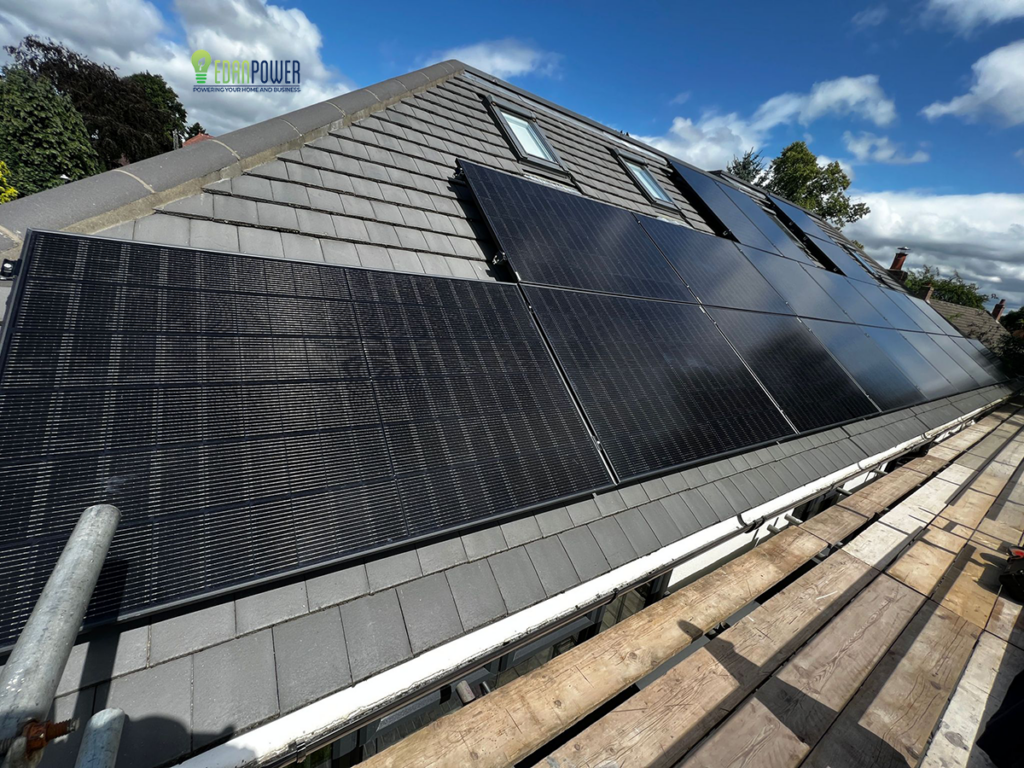
A home solar system can help you make better use of natural resources. It uses solar panels to turn sunlight into electricity for everyday needs. For example, you can power lights, kitchen appliances, televisions and other electrical devices. In addition, you can add a battery to store extra power for later use.
However, choosing the right equipment takes some planning. You need to consider your roof, daily energy use, budget and future needs. This guide explains how solar power works, what affects its cost, and how it can help you save money over time.
What Is a Home Solar System?
A home solar system is a set of components that work together to produce electricity from sunlight. It usually includes solar panels, an inverter, mounting equipment and electrical protection devices. Some systems also include a battery.
The panels collect sunlight and produce direct current (DC) electricity. Next, an inverter converts this electricity into alternating current (AC), which most household appliances use.
As a result, you can use the electricity your panels produce instead of buying as much power from your energy supplier. When your panels generate more power than you need, you may be able to export the surplus to the grid.
A well-planned home solar system can support everyday energy needs while helping you reduce your carbon footprint.
How Does Solar Power Work?
Solar power uses sunlight to generate electricity. Although the process may sound complex, the main steps are easy to understand.
1. Solar panels collect sunlight
Solar panels contain photovoltaic cells. These cells turn sunlight into electrical energy. They can produce electricity on cloudy days too, although their output usually falls when sunlight is weaker.
2. The inverter converts electricity
The panels produce DC electricity. However, most home appliances use AC electricity. Therefore, the inverter changes the power into a suitable form for your home.
3. Your home uses the electricity
Your lights, washing machine, fridge and other appliances can use the electricity your panels produce. When your home needs more power than the panels can supply, you can draw the difference from the grid or a suitable battery.
4. Extra electricity can be stored or exported
If your panels produce more electricity than your home needs, a battery can store some of the surplus. Otherwise, you may export it to the grid, depending on your setup and energy tariff.
This process makes solar power a useful option for households that want to improve energy efficiency and reduce their reliance on traditional electricity supplies.
Main Components of a Home Solar System
Each component has a clear role. Understanding these parts can help you compare products and choose a suitable setup.
Solar panels
Solar panels form the main part of the installation. Their size, efficiency and number affect how much electricity your system can produce.
You can explore a suitable solar panel solution by considering your roof space, energy needs and budget. High-quality panels can provide reliable service for many years when installed and maintained correctly.
Inverter
The inverter changes DC electricity into AC electricity. Some systems use a standard string inverter, while others use microinverters or power optimisers. The best choice depends on factors such as roof layout, shade and system design.
Battery storage
A battery stores surplus electricity for later use. For example, you can charge it during sunny hours and use the stored power in the evening.
Learn more about how a battery works and why storage can be useful. Battery capacity, charging limits and efficiency all affect how much stored energy you can use.
Mounting equipment
Mounting rails, roof hooks and other fittings hold the panels in place. Installers select suitable equipment based on the roof type, panel layout and local conditions.
Monitoring system
Many modern installations include monitoring tools. These allow you to check electricity generation and household use. Consequently, you can spot changes in performance and make better decisions about when to run appliances.
Benefits of Installing Solar Panels at Home
Solar power offers several benefits. However, your results depend on the system design, household habits and local conditions.
Reduce your electricity bills
One major benefit is the chance to use less electricity from your supplier. When your panels produce enough power, your home can use that electricity directly.
For example, running a washing machine during sunny hours may help you use more of your own generation. Over time, these small changes can support energy saving and help you save money.
Use cleaner energy
Solar power produces electricity without burning fuel during normal operation. Therefore, it can help reduce the carbon emissions linked to your household electricity use.
If you want a more eco friendly lifestyle, solar power can form part of a wider plan. You could also improve insulation, choose efficient appliances and reduce unnecessary energy use.
Gain more control over energy use
Electricity prices can change over time. Producing some of your own power gives you greater control over where your electricity comes from.
A battery can offer extra flexibility, especially when your panels generate most of their power during the day but your household uses more electricity in the evening.
Make better use of your property
A suitable solar installation can make a property more attractive to buyers who value energy efficiency. However, any effect on property value depends on the home, local market and installation quality.
Is Battery Storage Worth Adding?
Battery storage can improve how you use solar electricity, but it is not essential for every household.
Without a battery, your home uses solar electricity when the panels generate it. Any surplus may go to the grid. With storage, you can keep some of that surplus and use it later.
A battery may be useful if your household uses more electricity in the evening, you want greater control over energy use, or you have a suitable tariff that supports battery charging and discharging.
However, batteries add to the initial cost. Their financial value depends on their price, usable capacity, lifespan, efficiency and the difference between the cost of imported electricity and any payment for exported power.
Before you buy, compare the likely savings with the extra cost. Also, check whether the battery will work with your inverter and whether you can expand the system later.
How Much Does a Home Solar System Cost?
The price depends on several factors. These include the number of panels, the type of inverter, roof access, electrical work and whether you choose battery storage.
A small installation may suit a household with modest electricity use. In contrast, a larger home may need more panels to meet its needs.
You should also consider installation quality, warranties and aftercare. The cheapest quote may not offer the best long-term value if it uses unsuitable equipment or provides limited support.
Ask installers for a clear breakdown of the costs. The quote should explain the equipment, labour, estimated electricity generation, warranties and any extra work required.
Remember that a home solar system is a long-term investment. Compare expected savings over time rather than looking only at the price you pay on installation day.
How to Choose the Right Solar Panel Installer
Choosing a skilled installer is just as important as selecting the panels. A suitable system should match your home and provide safe, reliable performance.
First, review the installer’s experience and relevant certifications. In the UK, check whether the company holds suitable industry accreditation and whether the proposed installation meets current electrical and building requirements.
Next, ask for a survey of your roof and an estimate of annual electricity generation. A good installer should explain the effects of roof direction, shade, panel placement and seasonal changes.
You should also check the warranty terms. Find out what cover applies to the panels, inverter, battery and installation work. Clear aftercare arrangements can make it easier to resolve problems in the future.
For homeowners and businesses seeking solar solutions, Edan Power offers solar installation services and customer support. Choosing a trusted solar panel installer Edan Power with excellent customer support can help you understand your options and plan an installation around your energy needs.
If you run a business in the West Midlands, you can also explore solar panels birmingham for information about commercial solar installation.
Tips to Get More From Your Solar Panels
Once your installation is complete, a few simple habits can help you make better use of the electricity it produces.
Run appliances during daylight: Use your washing machine, dishwasher or other suitable appliances when your panels generate more power.
Check your energy use: Review your monitoring app to understand when your home uses the most electricity.
Keep panels clear: Ask a professional to assess whether cleaning is needed. Avoid unsafe roof access or harsh cleaning products.
Review your energy tariff: Compare import prices and export payments to understand how they affect your savings.
Maintain your equipment: Follow the manufacturer’s guidance and arrange professional checks if you notice unusual performance.
Plan for future needs: If you expect to buy an electric vehicle or install a heat pump, discuss this with your installer before choosing your system.
These steps can help you get more value from your panels without making major changes to your daily routine.
Common Myths About Solar Energy
Some common myths can make people unsure about solar power. Let us look at the facts.
Myth 1: Solar panels only work in hot weather.
Solar panels need light, not high temperatures. They can generate electricity in cool weather, although output changes with sunlight and other conditions.
Myth 2: Solar panels do not work on cloudy days.
Panels can still generate electricity when clouds cover the sun. However, they usually produce less power than on a bright, sunny day.
Myth 3: Every home needs a battery.
Not every household needs storage. A battery can be useful, but its extra cost may not suit every budget or pattern of energy use.
Myth 4: Solar panels remove electricity bills completely.
Solar panels can reduce bills, but they may not remove them. You may still need grid electricity at night or during periods of low generation. Standing charges may also remain.
Frequently Asked Questions
1. How long do solar panels last?
Many modern solar panels can operate for 25 years or more. However, their output may gradually decline over time. Check the manufacturer’s performance warranty and ask your installer about expected long-term output.
2. Can solar panels power a home at night?
Solar panels do not generate meaningful electricity in darkness. At night, your home can use stored battery power or draw electricity from the grid.
3. Do solar panels work during winter?
Yes. They can generate electricity throughout the year. However, shorter days and weaker sunlight often mean lower winter output than summer output.
4. Can I install solar panels on any roof?
Not every roof suits solar panels equally well. Roof condition, available space, direction, pitch and shade all matter. A professional survey can help establish whether your roof is suitable.
5. Will solar panels help me save money?
They can help you reduce the amount of electricity you buy from your supplier. Your actual savings depend on installation cost, electricity prices, system output, household use and export payments.
6. Is solar power good for the environment?
Solar power generates electricity without direct fuel combustion during normal operation. Although manufacturing and installing panels have environmental impacts, solar energy can help reduce emissions over the system’s working life.
Conclusion
Solar power gives households a practical way to generate cleaner electricity and manage energy costs. With suitable panels, a reliable inverter and careful planning, you can use sunlight to power everyday appliances and reduce your need for grid electricity.
A home solar system can also offer greater control over energy use, especially when you match your electricity habits to the hours when your panels generate the most power. Battery storage may provide extra flexibility, although it adds to the initial cost.
Before making a decision, compare quotes, check equipment warranties and choose a qualified installer. Consider your current energy use as well as future plans. With the right design and good aftercare, solar panels can support long-term energy saving, lower electricity costs and a more eco-friendly home.