
How a Commercial Solar Company Can Help Businesses Save Money and Use Clean Energy
Energy costs can put pressure on any business. From small shops to large factories, every company needs power to run its daily work. However, rising electricity prices can make it harder to manage costs. Therefore, many business owners now look for better ways to reduce their bills and protect their profits.
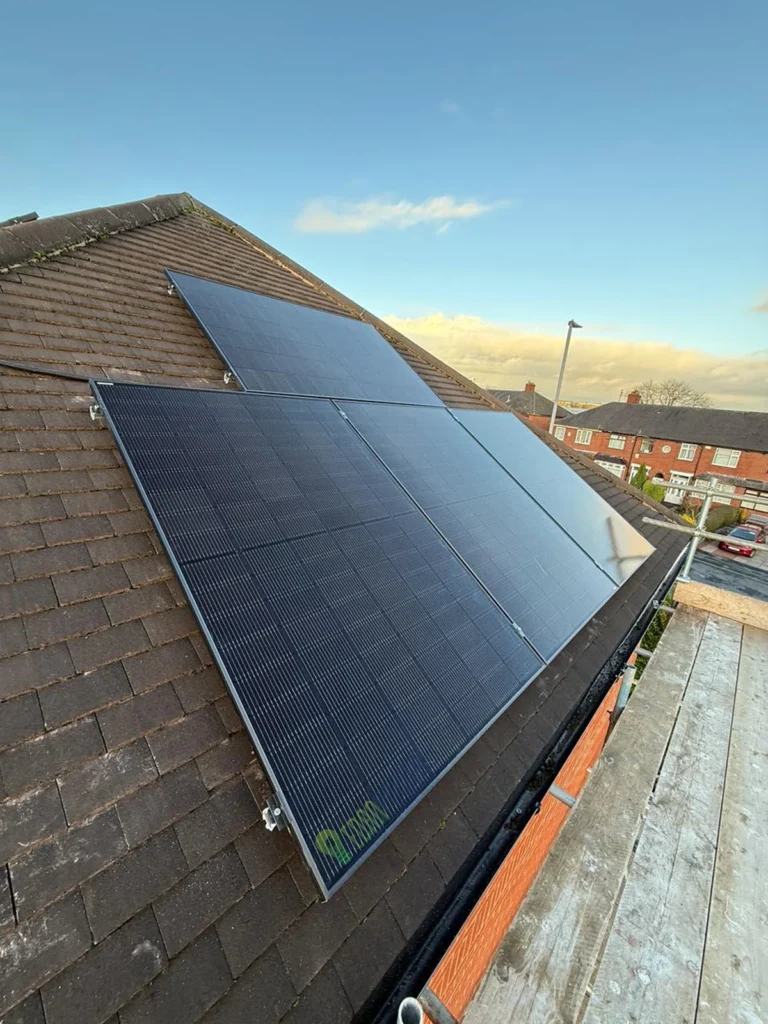
Solar power offers a simple and practical way to do this. It uses sunlight to produce electricity for homes, offices, shops, warehouses and factories. As a result, businesses can use less electricity from the grid and gain more control over their energy costs.
Choosing a commercial solar company can help businesses make the most of this opportunity. A professional installer can check your roof, study your energy use and design a system that suits your needs. In addition, the right system can support long-term savings and help your business lower its impact on the environment.
This guide explains how commercial solar power works, what equipment you may need and how to choose the right installer. It also covers the benefits of solar panels, battery storage and energy-saving measures.
What Is Commercial Solar Power?
Commercial solar power is a way for businesses to generate electricity from sunlight. It uses solar panels fitted to suitable roofs or other open spaces. These panels capture sunlight and turn it into electrical power.
A business can then use this electricity to run lights, computers, machines, heating systems and other equipment. Consequently, it may need to buy less electricity from an energy supplier.
A trusted commercial solar company can assess your building and recommend a suitable system. The installer considers your roof size, electricity use, working hours and future plans before suggesting the right setup.
For example, a warehouse with a large roof may have enough space for many panels. Meanwhile, a small office may need a smaller system to meet its daytime energy needs.
Solar technology can suit many types of businesses, including:
Offices and commercial buildings
Warehouses and distribution centres
Factories and manufacturing plants
Retail shops and supermarkets
Farms and agricultural businesses
Schools and other commercial facilities
Hotels, restaurants and leisure centres
However, every building has different needs. Therefore, a proper site survey helps you understand whether solar power is a good choice for your business.
How Does a Commercial Solar System Work?
A commercial solar system uses several parts to turn sunlight into useful electricity. Each part has a clear role.
1. Solar Panels Generate Electricity
A solar panel contains photovoltaic cells that capture sunlight and generate direct current electricity. When several panels work together, they form a solar array.
The amount of electricity they produce depends on factors such as sunlight, panel capacity, roof direction, shading and weather conditions.
2. An Inverter Converts the Power
Most business equipment uses alternating current electricity. Therefore, the system needs an inverter to convert the direct current from the panels into usable power.
A suitable inverter also helps the system operate safely and efficiently. Your installer can select the right equipment for the size and design of your installation.
3. Your Business Uses the Electricity
Once the inverter converts the power, your building can use the electricity to run its daily operations.
For example, a factory may use solar electricity for production equipment during the day. Similarly, a shop can use it for lighting, refrigeration and payment systems.
4. Extra Electricity Can Be Managed
Sometimes, your panels may produce more electricity than your business needs at that moment. You may be able to export some surplus electricity to the grid, depending on your connection and export arrangements.
Alternatively, a suitable battery can store some of the extra power for later use.
As a result, a well-planned system can help your business make better use of the electricity it generates.
Benefits of Choosing a Commercial Solar Company
Working with an experienced installer can make the move to solar power easier. More importantly, it helps you plan a system around your actual business needs.
Reduce Electricity Bills
One of the main reasons businesses choose solar is the chance to lower electricity costs.
When your panels generate power during working hours, your business can use that electricity instead of buying the same amount from the grid. Therefore, solar power may help you save money over time.
The level of savings depends on your energy use, system size, installation cost and electricity tariff. Businesses that use plenty of electricity during daylight hours may have a good opportunity to benefit.
Gain Better Control Over Energy Costs
Electricity prices can change over time. However, generating some of your own power can reduce your reliance on grid electricity.
A professional commercial solar company can estimate your expected output and explain how the system may affect your energy costs.
Although solar cannot remove every energy expense, it can offer greater control over part of your electricity supply.
Support an Eco-Friendly Business
Many customers and business partners now value environmental responsibility. Solar power can help your company reduce its reliance on electricity generated from fossil fuels.
Consequently, it can support your wider sustainability plans. You may also use your solar project as part of your environmental reporting, provided that you measure and describe its benefits accurately.
Solar power is a renewable source of energy. By using it, your business can take a practical step towards cleaner electricity.
Make Better Use of Your Roof
Large commercial roofs often provide useful space for solar panels. Instead of leaving suitable roof areas unused, your business may be able to turn them into a source of electricity.
However, the roof must be suitable for the installation. Its condition, structure, available space and exposure to sunlight all matter.
Therefore, arrange a roof assessment before committing to the project.
Plan for Long-Term Business Needs
A solar system can support your business for many years with suitable care and maintenance. Furthermore, you can plan the installation around future changes in electricity demand.
For instance, a business expecting to add electric vehicles or new equipment may need a different system size from a business with stable energy use.
Good planning helps you avoid choosing a system that is too small or unnecessarily large.
Why Businesses Should Consider Battery Storage
Solar panels generate the most electricity when sunlight is available. Yet many businesses also need power in the early morning, evening or during periods of low sunlight.
A battery can store some of the surplus electricity produced by your solar panels. Your business can then use the stored energy when the panels generate less power.
Key Benefits of a Solar Battery
Store surplus solar electricity for later use.
Increase the amount of solar power your business can use.
Reduce the need to purchase grid electricity at certain times.
Support better management of energy demand.
Help your business make more effective use of its solar system.
However, a battery adds to the upfront cost. Its value depends on your electricity tariff, energy demand, export payments and storage requirements.
For this reason, ask your installer to compare the costs and likely savings of systems with and without battery storage. A battery does not automatically offer the best return for every business.
How to Choose the Right Commercial Solar Company
Choosing an installer is an important step. The right company should explain your options clearly and help you understand the full cost of the project.
Check Experience and Qualifications
Look for an installer with experience in commercial solar projects. Commercial buildings can have different electrical, structural and operational needs from homes.
Ask about similar projects, installer qualifications and relevant industry accreditations. You should also check whether the proposed work meets applicable UK building and electrical requirements.
Request a Detailed Site Survey
A reliable installer should assess your roof, electricity use and available installation space.
The survey should also consider shading, electrical connections, roof condition and access for installation and maintenance.
As a result, you can receive a proposal that reflects your building rather than a general estimate.
Compare Quotes Carefully
Price matters, but the cheapest quote may not offer the best value.
Compare the proposed system size, panel and inverter specifications, installation work, warranties and estimated annual electricity generation. Also, check whether the quote includes monitoring equipment, grid connection work and any necessary upgrades.
A clear quote makes it easier to understand what you are paying for.
Ask About Maintenance and Support
Solar panels generally need limited maintenance, but regular checks can help identify faults and keep the system working well.
Before choosing an installer, ask how it handles technical problems, warranty claims and system monitoring. Good aftercare can save time and reduce disruption to your business.
Understand the Expected Savings
A professional installer should explain the assumptions behind its savings estimate.
These may include your current electricity tariff, expected solar output, daytime energy use and future energy prices. It should also explain that actual savings can vary with weather, usage and system performance.
This information helps you make a more informed decision.
Commercial Solar Panels in Birmingham
Businesses in Birmingham can explore solar power as a way to manage electricity costs and support sustainability goals. The city has a wide range of commercial properties, including offices, retail units, warehouses and industrial buildings.
However, each property needs an individual assessment. Roof space, shading, working hours and electricity demand can all affect the suitability of a solar installation.
If your business operates in the area, explore solar panels birmingham to learn more about commercial installation options.
A local assessment can help you understand the likely system size, installation requirements and potential savings. In addition, it can show whether battery storage may suit your daily energy use.
When comparing installers, consider their experience, equipment choices, project planning and customer support. These factors can help you select a system that meets your business needs.
Ways to Increase Your Solar Energy Savings
Installing solar panels is only one part of an effective energy-saving plan. You can also make simple changes to reduce waste and improve how your business uses electricity.
First, run energy-intensive equipment during daylight hours where practical. This allows your business to use more of the electricity produced by its panels.
Next, replace old lighting with efficient LED alternatives. You can also install smart controls to reduce unnecessary lighting, heating and cooling.
In addition, review your electricity use regularly. Monitoring tools can show when your business uses the most power and whether your solar system meets demand.
Finally, consider energy-efficient equipment when replacing older machines. Lower demand can improve your overall energy saving results.
These measures can work together to help you save money and reduce your environmental impact.
Why Choose Edan Power?
Choosing the right installer can make your transition to solar power easier. Edan Power helps businesses explore solar installation options based on their property and energy needs.
As a trusted solar panel installer Edan Power with excellent customer support, the company aims to help customers understand their options and make informed choices.
When planning a commercial solar project, it is important to look beyond the initial price. You should also consider system performance, equipment quality, installation standards and long-term support.
A suitable installation can help your business generate renewable electricity, reduce grid dependence and manage energy costs more effectively.
To learn more about available solutions, visit solar panels and explore the options for your business.
Frequently Asked Questions
1. What Does a Commercial Solar Company Do?
A commercial solar company assesses business properties, designs solar systems and arranges installation. Depending on the service offered, it may also help with grid connection, monitoring, maintenance and battery storage.
2. Can Solar Panels Reduce Business Electricity Bills?
Yes. Solar panels can reduce electricity bills when your business uses the electricity they generate. The amount saved depends on your energy demand, system size, installation cost and electricity tariff.
3. Are Commercial Solar Panels Suitable for Small Businesses?
Yes. Solar power can suit small offices, shops and other businesses, provided that the building has suitable space and energy needs. A site survey can help identify the right system size.
4. Do Commercial Solar Panels Work on Cloudy Days?
Yes. Solar panels can generate electricity on cloudy days, although their output usually falls when less sunlight reaches them. They generally produce more electricity in bright conditions.
5. Is a Battery Necessary for Commercial Solar Panels?
No. A solar system can work without a battery. However, storage may help businesses use surplus solar electricity later. Compare the additional cost with the likely benefits before deciding.
6. How Long Do Commercial Solar Panels Last?
Solar panels can often operate for 25 years or longer, although performance gradually declines over time. The exact lifespan depends on product quality, installation and maintenance. Check the manufacturer’s performance warranty for specific details.
7. How Can I Choose a Reliable Commercial Solar Company?
Check the company’s experience, qualifications, insurance, equipment specifications and customer support. Also, compare detailed quotes and ask for realistic estimates of electricity generation and savings.
8. Can Solar Panels Help My Business Become More Eco-Friendly?
Yes. Solar panels generate electricity without direct emissions during operation. They can help reduce your reliance on grid electricity, although the overall environmental benefit depends on the electricity they replace and the wider lifecycle of the equipment.
Conclusion
Solar power offers businesses a practical way to generate electricity, manage energy costs and support environmental goals. With suitable planning, commercial solar panels can reduce grid electricity use and help businesses make better use of their roof space.
However, every business has different needs. Factors such as roof condition, electricity demand, working hours and installation costs will affect the value of a solar project.
Choosing a reliable commercial solar company can help you understand these factors before making a decision. A detailed survey, clear quote and realistic savings estimate can guide you towards the right system.
In addition, battery storage and simple energy-saving measures may help you use electricity more effectively. By taking these steps, your business can work towards lower energy costs and a more sustainable future.