
Solar Power for Your Home: Benefits, Costs, Savings and How It Works
Introduction
Energy bills can take a large part of your monthly budget. Many families now look for ways to cut these costs. At the same time, people want to use cleaner energy and protect the planet.
Solar panels offer a simple way to do both. They use sunlight to make electricity for your home. You can then use this power to run lights, TVs, washing machines and other appliances.
Today, more homeowners choose solar power for home use. It can help lower energy bills and reduce the need to buy power from the grid. Also, you can add a battery to store extra power for later use.
Solar energy works well for many types of homes. However, you should learn how it works before you buy a system.
In this guide, we explain the main benefits of solar panels. We also look at costs, battery storage, energy savings and how to choose the right installer.
What Is Solar Energy?
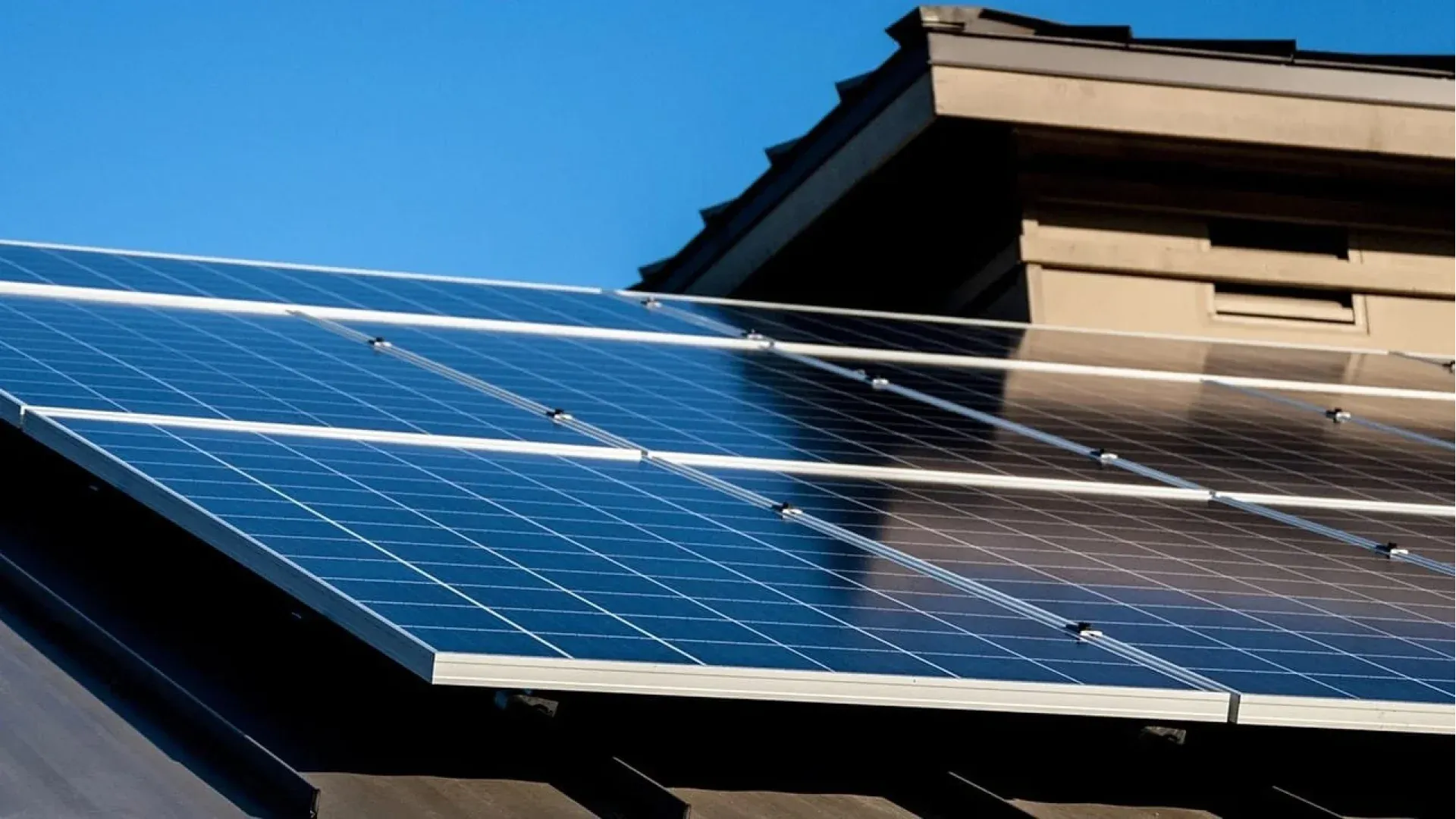
Solar energy comes from the sun. Solar panels collect sunlight and turn it into electricity. You can use this power in your home each day.
A solar system has a few main parts.
Solar panels: These collect sunlight and make electricity.
Solar inverter: This changes the power into a form that home appliances can use.
Battery: This stores extra power for later use.
Mounting kit: This keeps the panels safe and secure on your roof.
Monitoring system: This lets you check how much power your panels make.
During the day, your panels make electricity from sunlight. Your home uses this power first. If you make more than you need, the extra power can charge your battery.
You can also send spare power back to the grid. Some energy suppliers pay you for this power.
This makes solar power for home use a useful way to cut energy costs and use clean power.
Why Should You Install Solar Panels?
Solar panels offer many benefits. They can help you save money, use less grid power and lower your impact on the planet.
Here are some key reasons to make the switch.
1. Save Money on Your Energy Bills
One of the main reasons to get solar panels is to cut your power bills.
When your panels make electricity, you can use it instead of buying power from your supplier. As a result, you may pay less each month.
For example, you can use solar power to run your:
Washing machine.
Fridge and freezer.
TV and lights.
Dishwasher.
Computers and other devices.
You can also save more by using large appliances during the day. This is when your panels often make the most power.
Your savings will depend on your home and energy use. Roof size, sunlight and system size all play a part.
2. Use Clean and Green Energy
Solar power is a clean source of energy. It does not need fuel to make electricity.
Also, solar panels do not produce direct air pollution while they make power. This makes them a good choice for people who want to help the planet.
By using more solar power, you can lower your use of electricity from the grid. In turn, this can help reduce your home’s carbon footprint.
3. Become Less Dependent on the Grid
Most homes get all their power from the national grid. However, solar panels give you another way to make electricity.
During the day, your panels can power many home appliances. If you have a battery, you can store spare power for use at night.
This means you may need to buy less electricity from your supplier.
4. Add Value to Your Home
Many buyers now look for homes with lower running costs. Solar panels may make your home more appealing to these buyers.
They can also show that your home uses modern energy-saving tools.
However, the effect on your home’s value will vary. It can depend on the system, its age and the local housing market.
How Does a Solar Battery Work?
A solar battery stores extra power made by your panels. You can then use this power when your panels make less electricity.
For example, your panels may make plenty of power at midday. However, your family may use more electricity in the evening.
A battery helps you save some of that extra power for later.
Benefits of Battery Storage
Use power at night: Run your appliances with stored solar power.
Save more money: Buy less power from your supplier.
Use more solar power: Keep extra electricity instead of sending it all to the grid.
Track your power: Check how much energy you store and use.
A battery can make solar power for home systems more useful.
However, a battery adds to the cost of your system. So, check your daily power use before you buy one.
Look at its storage size, warranty and expected life. Also, ask your installer how much money it could help you save.
How Much Do Solar Panels Cost?
The cost of solar panels depends on the size of the system and the type of equipment you choose.
A small system will usually cost less than a large one. However, a larger system may make more electricity for your home.
Here are some things that can affect the price.
Number of panels: More panels can increase the cost. However, they can also make more power.
Battery storage: A battery adds to the price. Yet it can help you use more of your own solar power.
Roof type: Some roofs need extra work before the panels can be fitted.
Inverter: The type and size of the inverter can change the total cost.
Labour: The price also covers the work needed to fit and test your system.
Always ask for a full quote before you agree to the work. Check that it covers the panels, inverter, mounting kit and labour.
You should also ask about warranties and aftercare. This helps you understand what you are paying for.
What Affects Solar Panel Performance?
Solar panels can make electricity throughout the year. However, the amount of power they make can change.
Several things can affect their output.
Roof Direction
In the UK, south-facing roofs often get good sunlight. However, east-facing and west-facing roofs can also work well.
A good installer can check your roof and find the best place for your panels.
Weather
Solar panels can still work on cloudy days. However, they usually make more power in bright sunlight.
You do not need hot weather for solar panels to work. In fact, very high heat can lower their output.
Shade
Trees, chimneys and nearby buildings can block sunlight. This can reduce the power your panels make.
For this reason, your installer should check for shade before fitting the system.
Panel Quality
Not all solar panels are the same. Some make more power from the same amount of sunlight.
Look at the panel output, product warranty and performance warranty before you buy.
Good-quality panels can help your system work well for many years.
How to Choose the Right Solar Panels
Every home has different power needs. So, you should choose a system that suits your home and your budget.
First, check your yearly electricity use. You can find this on your energy bills.
Next, think about when you use the most power. For example, some families use more electricity during the day. Others use more power in the evening.
This can help you decide if you need a battery.
Before you choose a system, check these points:
Panel size and power output.
Roof space and direction.
Inverter type and quality.
Battery options.
Product warranties.
Installation costs.
Aftercare and support.
You can learn more about solar panel systems and home installations from Edan Power.
The right system can help you get more value from the sunlight that reaches your roof.
Solar Panels Birmingham: Are They a Good Choice?
Yes. Many homes in Birmingham can benefit from solar panels.
The UK gets enough daylight for solar panels to make useful amounts of electricity. They can also work on cloudy days, although their output may fall.
People looking for solar panels birmingham services should choose a system that suits their home.
A good installer will check your roof before giving you a quote. They will look at its size, angle and direction.
They will also check for shade from trees and nearby buildings.
For example, a home with a large roof may have room for more panels. A family that uses lots of power at night may also benefit from a battery.
You should compare quotes from trusted installers. Check the equipment, price and warranty before you make your choice.
How Can You Save More Money With Solar Panels?
Solar panels can help lower your bills. However, your daily habits also matter.
Here are some easy ways to make better use of your solar power.
Run Appliances During the Day
Try to use your washing machine and dishwasher during daylight hours.
This helps you use the power your panels make. As a result, you may need less electricity from the grid.
Use Energy-Saving Appliances
Old appliances can use more power than newer models.
So, choose energy-saving products when you need to replace them. This can help lower your daily power use.
Check Your Solar App
Many solar systems come with a phone app. It shows how much power your panels make and how much your home uses.
Check the app often. It can help you find the best times to use your appliances.
Look at Your Energy Tariff
Some energy suppliers pay homeowners for spare electricity sent to the grid.
In the UK, the Smart Export Guarantee (SEG) lets eligible homes receive payments for exported power.
Check the rates offered by different suppliers. This can help you get more value from your system.
Why Is Professional Solar Installation Important?
A solar system needs the right design and safe fitting. Poor work can affect how well it runs.
So, always choose a skilled and trusted installer.
A good installer should:
Check your roof before work starts.
Find the best place for your panels.
Explain the full cost.
Fit the right inverter.
Check all electrical work.
Test the system after fitting.
Explain how to use the monitoring app.
Offer clear aftercare and support.
Edan Power is a trusted solar panel installer Edan Power with excellent customer support. The company helps homeowners find solar systems that suit their homes and energy needs.
The team can guide you through the process. This helps you make a clear and informed choice.
What Is the Future of Solar Energy?
Solar technology keeps getting better. New panels can make more power, while modern batteries can store more energy.
Smart systems can also help homes manage their power use.
For example, you can use solar power to charge an electric car during the day. You can also use smart tools to run some appliances when your panels make more electricity.
These changes give homeowners more ways to save energy.
As solar technology grows, more homes may use clean power to meet their daily needs.
Frequently Asked Questions
1. Do solar panels work in the UK?
Yes. Solar panels work well in the UK. They can make electricity throughout the year, even on cloudy days. However, they usually make more power in bright sunlight.
2. Can solar panels lower my electricity bill?
Yes. You can use the power your panels make instead of buying as much electricity from your supplier. Your savings will depend on your system size and energy use.
3. Do I need a solar battery?
No. You can use solar panels without a battery. However, a battery lets you store extra power for use at night.
4. How long do solar panels last?
Most modern solar panels can last 25 to 30 years or more. Their power output may fall slowly over time. Check the warranty before you buy.
5. Can solar panels work on cloudy days?
Yes. They can still make electricity when the sky is cloudy. However, they will usually make less power than on sunny days.
Conclusion
Solar panels offer a simple way to make clean electricity at home. They can help lower your bills and reduce your use of grid power.
Choosing solar power for home use can also help you live in a more eco friendly way. In addition, a battery can store extra power for use at night.
Before you buy a system, check your roof, power use and budget. Also, compare equipment, warranties and installation quotes.
Most importantly, choose a trusted installer who can guide you at each step.
With the right system and good support, solar power for home use can help you save money and make better use of natural energy. It is a smart step towards a cleaner and more energy-saving future.