
How Long Does It Take for Solar Panels to Pay for Themselves?
Many homeowners ask, how long does it take for solar panels to pay for themselves? The answer depends on several factors. These include the cost of the system, your electricity use, roof size, panel output, energy prices, and how much electricity you use during the day.
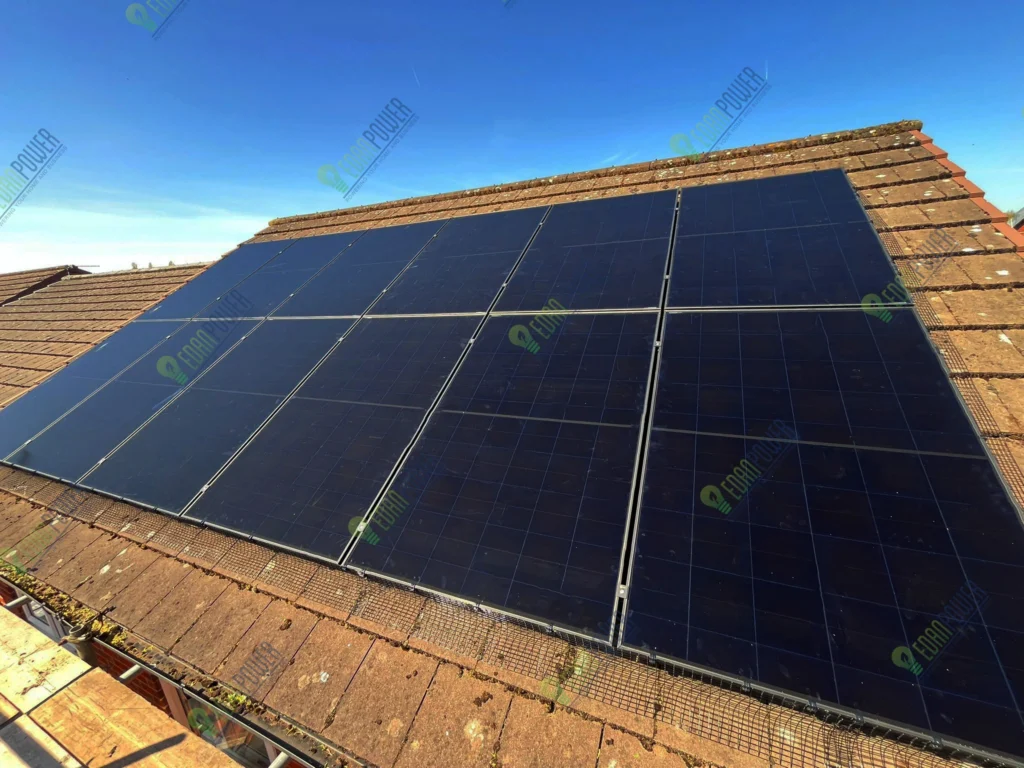
For many UK homes, solar panels can offer long-term savings. A well planned system can lower your electricity bills and reduce your need to buy power from the grid. Over time, these savings can cover the original cost of installation.
If you are considering solar panels for your home, it is useful to understand the payback period before you make a decision. This guide explains how solar payback works, how solar panels are made, how they work, and what homeowners in Nottingham should consider.
What Does Solar Panel Payback Mean?
The solar payback period is the time it takes for your energy savings to equal the amount you paid for your solar system.
For example, imagine that a solar system costs £8,000 to install. If it saves you £800 each year, the simple payback period would be about 10 years.
However, real savings can change from year to year. Electricity prices may rise, your energy use may change, and your panels may produce different amounts of power in summer and winter.
Therefore, the payback period is an estimate rather than a fixed date.
When comparing solar panels for your home, you should look at the expected yearly generation, your current electricity use, and the amount of electricity you can use directly.
How Long Do Solar Panels Take to Pay for Themselves?
In the UK, a typical domestic solar system may take around 8 to 15 years to recover its initial cost. However, some homes may achieve a shorter payback period, while others may take longer.
A solar panel Nottingham installation can have a different payback period from one in another part of the UK. Local sunlight levels, roof direction, shading, system size, electricity use and installation costs all matter.
For example, a home with a south-facing roof and little shade may generate more electricity than a similar home with heavy shading. Likewise, a family that uses a lot of electricity during the day may get more value from its solar generation.
So, instead of focusing only on the average payback time, homeowners should look at their own energy needs.
What Affects the Solar Payback Period?
Several factors can change how quickly your system pays for itself.
1. Installation Cost
The first factor is the price of the system. This can include solar panels, an inverter, mounting equipment, labour, scaffolding and electrical work.
A larger system normally costs more. However, it may also produce more electricity and create greater savings.
When comparing solar panels for your home, do not choose an installer based only on the lowest price. Check the equipment, installation quality, warranty and expected energy output too.
2. Electricity Usage
Your electricity use also matters.
If your home uses a lot of electricity, solar power can reduce the amount you need to buy from your supplier. However, the timing of your energy use is important.
For example, solar panels often produce most of their power during the day. If you run appliances during these hours, you can use more of your own solar electricity.
As a result, better self-use can improve the financial return of a solar system.
3. Roof Direction
Roof direction has a major effect on solar generation.
A south-facing roof can provide strong solar exposure in the UK. East and west-facing roofs can also work well, although the generation pattern may differ.
A professional solar panel Nottingham survey should check roof direction, pitch and available space before installation.
4. Shade
Trees, chimneys, nearby buildings and other structures can block sunlight.
Even partial shade can affect solar output. Modern system designs can reduce some shading problems, but a careful site survey remains important.
Therefore, check the roof before choosing the system size.
5. Solar Panel Quality
Solar panels use photovoltaic cells to turn sunlight into electricity. The quality and efficiency of these cells can affect how much power a panel produces.
Good panels can provide reliable performance for many years. Most quality systems also come with product and performance warranties.
When choosing solar panels for your home, look beyond the headline panel wattage. Consider efficiency, warranty terms, degradation and the reputation of the manufacturer.
How Do Solar Panels Work?
Solar panels work by converting sunlight into direct current electricity.
Each panel contains photovoltaic cells. When sunlight reaches these cells, it creates an electrical flow.
An inverter then converts the electricity from DC into AC power. Your home can use this AC electricity to run lights, appliances, computers and other equipment.
If your panels produce more electricity than your home needs at that moment, the extra energy can be exported to the grid or stored in a battery.
This simple process is one reason solar power has become popular across the UK.
A solar panel Nottingham system follows the same basic process as systems installed elsewhere in the country.
How Are Solar Panels Made?
Solar panels are mainly made using photovoltaic cells, glass, a protective back layer and an aluminium frame.
Most modern panels use silicon-based photovoltaic cells. Manufacturers process silicon into a form that can convert sunlight into electrical energy.
The cells are connected together and placed between protective layers. A sheet of strong glass helps protect the cells from rain, wind and other weather conditions.
The finished panel is then tested for electrical performance and durability.
Because panels need to work outdoors for many years, manufacturers design them to withstand changing weather conditions.
Can a Solar Battery Reduce the Payback Period?
A solar battery can store extra electricity produced during the day.
Without a battery, unused solar power may be exported to the grid. With a battery, you can store some of that energy and use it later.
For example, your panels may produce a lot of power at midday while your family is out. A battery can store some of this electricity. Later, you can use the stored energy in the evening.
However, a battery also adds to the installation cost. Therefore, it does not always shorten the payback period.
The best choice depends on your electricity use, battery cost, solar generation and export payments.
A good solar panel Nottingham installer should compare both options rather than automatically recommending a battery.
What Happens to Solar Savings in Winter?
Solar panels still work during winter. However, they normally produce less energy because the days are shorter and sunlight levels are lower.
Cloudy weather does not mean your panels stop working. They can still generate electricity from daylight, although output may fall.
Summer usually provides stronger solar production. This higher output can balance some of the lower generation seen during winter.
Therefore, yearly solar performance matters more than judging your system from one cloudy day.
Can Solar Panels Make Money?
Solar panels can reduce your electricity costs. They may also allow you to receive payments for eligible electricity that you export to the grid.
The exact amount depends on your energy supplier and the terms of the available export arrangement.
This means your financial return can come from two main areas:
- Using your own solar electricity
- Exporting surplus electricity
Using more of your solar power at home can be particularly useful because it reduces the amount of electricity you need to buy.
For this reason, smart energy habits can improve the value of solar panels for your home.
Why Consider Solar Panels in Nottingham?
Nottingham homeowners can benefit from solar energy in the same way as homeowners across much of the UK.
A good solar panel Nottingham system can help reduce grid electricity use and support lower household energy costs.
However, every property is different. Roof direction, roof condition, shading and household electricity demand should all be checked before installation.
Local installers may also understand common roof types and local planning considerations. That can make the design and installation process easier.
If you are searching for solar panel Nottingham services, compare installers carefully. Look at their experience, accreditation, warranties, reviews and installation approach.
How Can You Improve Solar Payback?
You can take several steps to improve the financial return from your system.
First, choose a system that matches your electricity needs. A system that is too small may not meet enough of your demand. On the other hand, a system that is too large may cost more than necessary.
Next, try to use electricity during daylight hours. Washing machines, dishwashers and other appliances can often be scheduled for periods when your panels are generating power.
You should also monitor your energy use. A smart meter or solar monitoring system can help you understand when your system produces the most electricity.
Finally, keep the panels in good condition and make sure the inverter and other equipment are checked when needed.
These simple steps can help you get more value from solar panels for your home.
Are Solar Panels a Long-Term Investment?
Yes. Solar panels are normally viewed as a long-term investment rather than a quick way to make money.
The payback period may take several years. Once the original cost has been recovered, the electricity generated by the system can continue to provide value.
Modern solar panels are designed to operate for many years. Their output may slowly decrease over time, but quality panels can continue generating useful electricity well beyond the initial payback period.
That is why homeowners should consider the full working life of a system rather than only the first few years.
What Should Nottingham Homeowners Check Before Installation?
Before choosing solar panels for your home, check several important points.
Start with your roof. Make sure it has enough suitable space and is in good condition.
Next, check for shading from trees and nearby buildings. Then review your electricity bills to understand how much energy your household uses.
After that, ask installers for a clear system proposal. It should explain the expected generation, equipment, installation cost and estimated savings.
A reliable solar panel Nottingham company should also explain warranties and aftercare in simple terms.
Do not be afraid to ask questions. A good installer should explain the system before you agree to the work.
Is Solar Worth It for a Nottingham Home?
For many homes, solar can be a worthwhile long-term investment. However, the answer depends on the property and the household.
A suitable roof, good solar exposure and regular electricity use can create strong conditions for solar.
The best way to understand the financial return is to get a property-specific assessment. This can show the expected generation, estimated savings and possible payback period.
When comparing solar panels for your home, think about both short-term costs and long-term benefits.
Frequently Asked Questions
How many years does it take for solar panels to pay for themselves?
Many UK systems may take around 8 to 15 years to recover their original cost. However, the exact period depends on installation cost, electricity use, solar generation and export income.
Do solar panels work on cloudy days?
Yes. Solar panels can generate electricity from daylight, even when the sky is cloudy. However, their output is usually lower than it would be on a bright, sunny day.
Does a battery make solar panels more worthwhile?
A battery can help you store surplus solar power and use it later. However, it also increases the installation cost. Its value depends on your energy use and system design.
Are solar panels suitable for homes in Nottingham?
Yes. A suitable roof can support a solar panel Nottingham installation. Roof direction, shading, pitch and available space should be checked before installation.
How can I make my solar system pay back faster?
Use more solar electricity during daylight hours, choose a correctly sized system, reduce unnecessary energy use and compare installation costs carefully.
Do solar panels need a lot of maintenance?
Solar panels generally need limited maintenance. Keeping them clear of major dirt and checking the system when needed can help maintain performance.
What happens when solar panels produce too much electricity?
Extra electricity can often be exported to the grid. Depending on your arrangement, you may receive payment for eligible exported electricity.
Are solar panels still useful after they pay for themselves?
Yes. Once the initial investment has been recovered, the system can continue generating electricity and reducing your reliance on grid power.
Final Thoughts
So, how long does it take for solar panels to pay for themselves? For many UK homes, the answer can be around 8 to 15 years, but every property is different.
Your roof, electricity use, system cost, solar output and export arrangements all affect the final result.
A carefully planned solar panel Nottingham system can help a household produce its own clean electricity and reduce its reliance on grid energy.
Before making a decision, compare installers, check the proposed system size and ask for realistic savings estimates. Most importantly, look at the full lifetime value rather than only the initial installation price.
With the right design and sensible energy use, solar panels for your home can become a useful long-term investment.