
What Is the Biggest Drawback of Solar Panels?
Solar panels have become a popular way to produce clean electricity for homes and businesses. They use sunlight to create power, reduce reliance on the grid, and can help lower electricity bills. However, like any energy system, solar panels also have some drawbacks. Understanding these limits can help property owners make a well-informed choice.
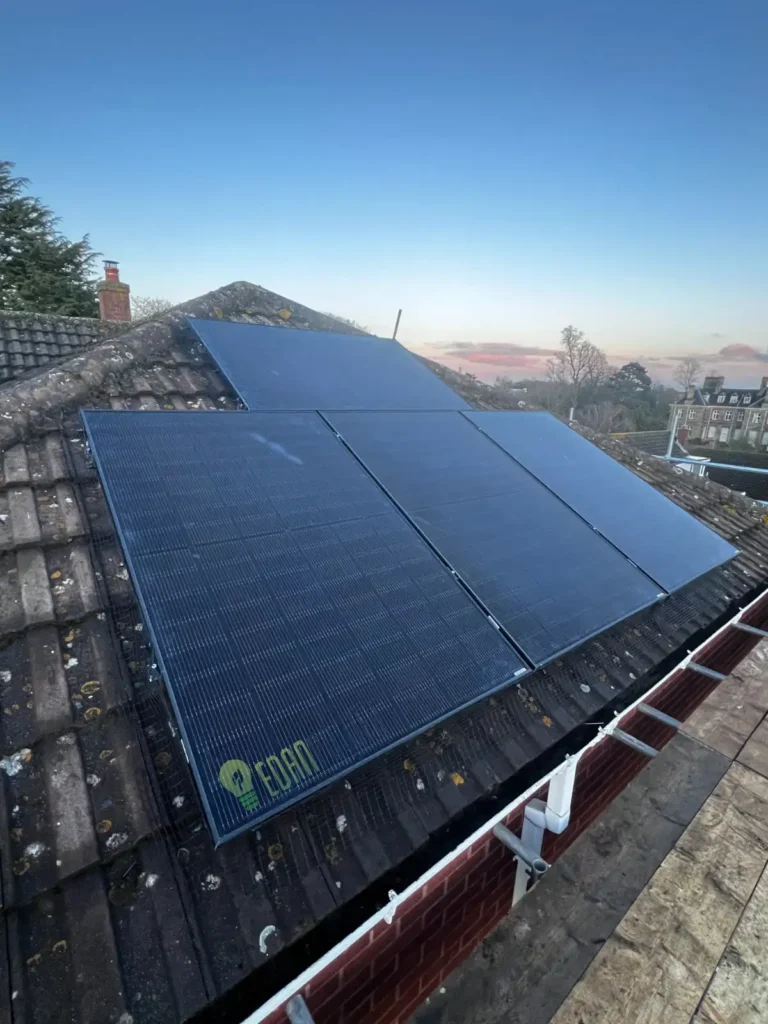
The biggest drawback of solar panels is their dependence on sunlight. Solar panels produce the most electricity during bright daylight hours. Their output falls on cloudy days and stops at night. Therefore, a solar system does not always produce the same amount of electricity throughout the day or across the year.
For many property owners, this does not mean solar power is unsuitable. Instead, it means the system needs proper planning. A suitable panel layout, good roof position, an efficient inverter and, where needed, a battery can all help improve the overall performance of a solar PV system.
How Solar Panels Depend on Sunlight
A solar panel uses photovoltaic cells to convert sunlight into electrical power. When sunlight reaches these cells, they generate direct current electricity. An inverter then changes this electricity into alternating current for use in a home or business.
This simple process makes solar power useful, but it also creates its main limitation. The amount of electricity produced depends on the amount of sunlight available.
During a clear summer afternoon, a solar array may generate a strong level of electricity. In contrast, output can fall during winter mornings, heavy cloud, rain or late evenings. Consequently, solar generation changes throughout the day.
The basic idea behind solar power is closely linked to sunlight. Likewise, energy production from a photovoltaic system changes as sunlight changes.
Why Weather Can Affect Solar Generation
Weather has an important role in solar performance. However, cloudy weather does not mean that solar panels stop working completely.
Modern photovoltaic panels can still produce electricity when the sky is cloudy. They simply tend to generate less power than they would under strong direct sunlight.
For example, a bright summer day may provide excellent generation conditions. A dark winter day may provide much less. Therefore, homeowners should consider annual generation rather than expecting the same output every day.
This is one reason why professional system design matters. Experienced solar panel installers shrewsbury can assess the property, roof direction, roof angle and possible shading before installation.
Trees, chimneys, nearby buildings and roof structures can also create shade. Even partial shading can affect generation, depending on the system design. Fortunately, modern panel layouts and technologies can help reduce some of these effects.
Solar Panels Do Not Usually Produce Power at Night
Another clear limitation is that solar panels cannot generate electricity from sunlight when the sun has gone down.
This creates a difference between electricity production and household demand. Many people use electricity in the morning and evening, while solar generation is often strongest around the middle of the day.
As a result, some households choose to add a home battery. A battery can store some of the electricity generated during the day and make it available later, depending on the system and its settings.
Battery storage can therefore improve the usefulness of solar power. However, it also adds an extra cost to the installation.
Is Battery Storage Always Needed?
No. A battery is not essential for every solar installation.
A household that uses a lot of electricity during daylight hours may use a large share of its solar generation directly. For example, running appliances, charging an electric vehicle or using other equipment during the day can increase self-consumption.
On the other hand, a home that uses most of its electricity in the evening may benefit more from storage.
Therefore, battery storage should depend on electricity use, system size, budget and personal requirements. A professional installer can help explain the available options without assuming that every property needs the same setup.
The Initial Cost Can Be a Drawback
Another major consideration is the initial cost.
Buying and installing solar panels requires an upfront investment. The total price can depend on the number of panels, inverter type, roof design, mounting equipment, electrical work and optional battery storage.
Although solar panels can reduce electricity costs over time, the financial benefit does not appear in exactly the same way for every property.
For this reason, property owners should consider both the initial installation cost and the expected long-term energy production. A proper quotation should explain the equipment, installation work and expected system performance.
Reliable solar panel installers shrewsbury can also help customers understand the difference between system size, expected generation and household electricity demand.
Roof Space Can Limit Solar Panel Installation
Solar panels need suitable space. A small roof may not have enough usable area for a large system.
Roof shape can also affect the installation. Dormer windows, skylights, chimneys and other structures may reduce the available space. In addition, shading can make some roof sections less suitable.
Roof direction also matters. A suitable orientation can improve annual generation, although modern solar systems can work across a range of roof orientations.
Before installation, solar panel installers shrewsbury should assess the roof rather than simply counting how many panels can physically fit.
A proper survey can identify roof condition, shading, access requirements and the best position for the equipment.
Solar Panels Need a Suitable Roof
Solar panels can last for many years, but the roof beneath them should be suitable for the installation.
If a roof needs major repairs or replacement, it may make sense to address that work before installing a new solar system. Otherwise, removing and reinstalling panels later could add extra cost and disruption.
The mounting system also needs to suit the roof type. Different roof materials may require different hooks, rails and fixing methods.
This is where quality installation becomes important. Solar panel installers shrewsbury can help assess whether the roof is ready and identify any concerns before work begins.
Maintenance Is Lower Than Many People Expect
One advantage of solar panels is that they generally need less maintenance than many other energy systems.
There are no moving parts in standard photovoltaic panels. Therefore, there is usually no need for regular mechanical servicing of the panels themselves.
However, the complete system should still be checked when needed. The inverter, electrical connections, mounting system and generation performance can all be important.
Dirt, leaves and bird deposits can also affect panel performance in some locations. Rain often helps keep panels reasonably clean, but cleaning may sometimes be useful.
Routine monitoring can also help identify changes in system performance.
Solar Panel Lifespan and Replacement Costs
Solar panels are designed for long-term use. However, no electrical equipment lasts forever.
Panel output can gradually decline over time. Inverters may also need replacement before the panels themselves reach the end of their useful service life.
A good installation should therefore consider the complete system rather than focusing only on the panels.
When comparing quotations, homeowners can look at equipment warranties, workmanship cover and expected system performance. Solar panel installers shrewsbury can explain how the different parts of a solar PV system work together.
Solar Panels and Winter Performance
People sometimes believe that solar panels do not work well in winter. This is not quite correct.
Solar panels can generate electricity during winter because they still receive daylight. However, shorter days and lower sunlight levels can reduce total generation.
Cloud cover and poor weather may also lower output.
Therefore, annual solar performance is more useful than judging a system from one winter day. A properly designed installation should account for seasonal changes in sunlight.
This is particularly important when considering electricity demand. Winter heating and lighting can increase household energy use at the same time that solar production falls.
Solar Panels Birmingham and Other UK Locations
Solar performance can vary by location. Local weather, roof direction, shading and building design all influence the amount of electricity a system can produce.
For example, people researching solar panels birmingham may have different roof conditions from customers in Shrewsbury, Nottingham or other parts of the UK.
The same principle applies to solar panel nottingham searches. Location matters, but it is only one part of the assessment. Roof direction, pitch, shading and electricity use are also important.
For commercial properties, larger installations can require additional planning around roof structure, electricity demand and system capacity. Businesses considering solar panels birmingham can therefore benefit from a site-specific assessment.
Solar Panels Can Reduce Grid Dependence
Although sunlight dependence is the biggest drawback, solar panels also offer several useful benefits.
A well-designed system can generate electricity at the point of use. This can reduce the amount of electricity a property needs to take from the grid during periods of solar generation.
Furthermore, solar power can support a wider move towards renewable electricity.
The solar panel system can work as part of a wider energy setup. A property may combine solar panels with a battery, smart controls and an electric vehicle charger.
However, each part adds cost and complexity. Therefore, the system should match the actual needs of the property.
Choosing the Right Solar Installer
Choosing the installer is an important part of the process. A poor design can reduce the value of an otherwise useful solar system.
Look for an installer that explains the proposed system clearly. The quotation should cover important details such as panel type, inverter, mounting equipment, expected generation and installation work.
It is also useful to ask how the installer handles shading, roof limitations and future maintenance.
For homeowners looking for solar panel installers shrewsbury, local knowledge can be useful because installers can understand common property types and regional conditions.
Edan Power provides solar installation services and aims to offer clear support throughout the installation process. Customers looking for a trusted solar panel installer Edan Power with excellent customer support can consider the company when researching their solar options.
Can Solar Panels Be Worth It Despite the Drawbacks?
Yes, solar panels can still provide useful long-term benefits despite their limitations.
The key is realistic planning. Solar panels should not be viewed as a system that produces unlimited electricity at all times. Instead, they are a way to generate renewable electricity when suitable sunlight is available.
The best results usually come from matching the system to the property.
For example, a home with a suitable roof, good sunlight and strong daytime electricity use may use a high proportion of its solar generation directly. Another home may benefit from adding battery storage to make better use of daytime generation.
Therefore, the biggest drawback does not necessarily make solar panels unsuitable. It simply shows why good system design matters.
FAQs About the Biggest Drawback of Solar Panels
1. What is the biggest drawback of solar panels?
The biggest drawback is their dependence on sunlight. Solar panels produce the most electricity during daylight and usually generate less during cloudy conditions. They do not produce electricity from sunlight at night.
2. Do solar panels work on cloudy days?
Yes. Solar panels can still generate electricity on cloudy days. However, their output is usually lower than during bright sunlight.
3. Do solar panels work in winter?
Yes. Solar panels work during winter because there is still daylight. However, shorter days and lower sunlight levels can reduce total generation.
4. Can a battery solve the solar power problem at night?
A battery can store some electricity generated during the day and provide it later. However, battery capacity is limited, and the system still depends on how much electricity the panels generate.
5. Do solar panels need a lot of maintenance?
Usually, solar panels need relatively little maintenance. However, the complete system should still be monitored, and electrical equipment may need checks or replacement over time.
6. Does roof direction affect solar panels?
Yes. Roof direction and angle can affect the amount of sunlight reaching the panels. Shading from trees, buildings and roof features can also reduce generation.
7. How can I choose suitable solar panel installers shrewsbury?
Compare installers based on system design, equipment, workmanship, warranties, installation experience and customer support. A good installer should also assess your roof and electricity needs before recommending a system.
8. Are solar panels suitable for every property?
Not necessarily. Roof condition, available space, shading, orientation and electricity demand all matter. A professional assessment can determine whether the property is suitable.
Conclusion
Solar panels offer a practical way to generate renewable electricity, but they do have limitations. Their biggest drawback is their dependence on sunlight. Generation changes with daylight, weather, season and roof conditions.
Even so, careful planning can help property owners get good value from a solar PV system. A suitable roof, sensible system size, efficient equipment and optional battery storage can all improve how the system works.
Most importantly, solar panels should be designed around the property rather than using a one-size-fits-all approach. Solar panel installers shrewsbury can assess roof space, shading, electricity demand and system requirements before installation.
With the right design and professional installation, solar power can become a useful part of a property’s long-term energy strategy.