
Can I Charge My Solar Battery From the Grid Overnight?
Yes, in many cases, you can charge a home battery from the electricity grid overnight. This can be useful when your electricity tariff is cheaper at night. Instead of waiting for the sun to rise, the battery can store energy during low-cost hours and then supply power to your home later.
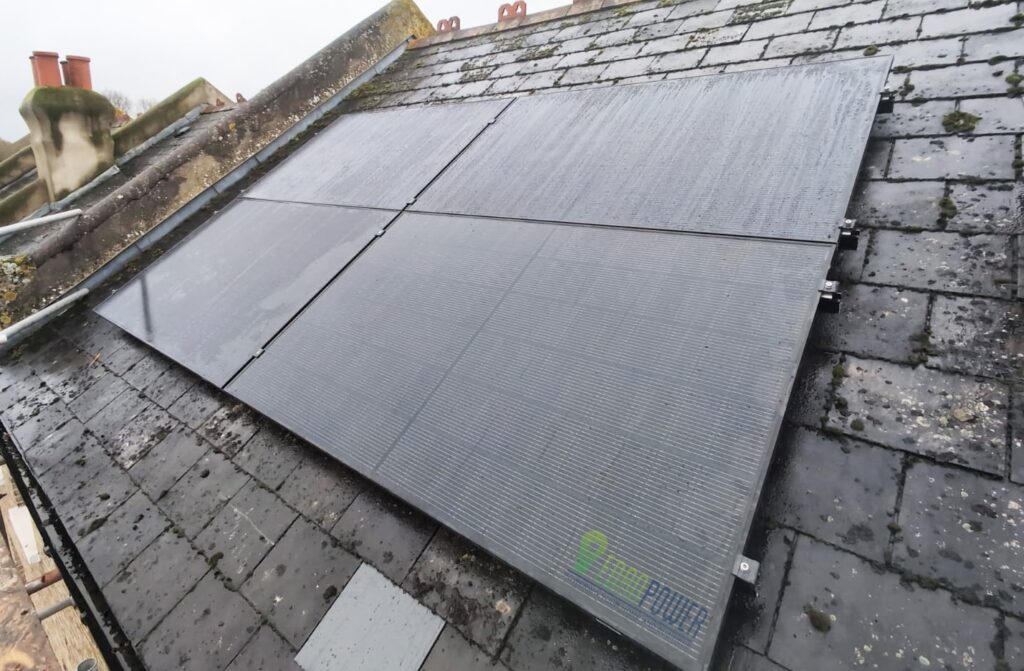
However, whether this feature works depends on your battery system, inverter, tariff, and installer settings. Some systems allow scheduled grid charging, while others mainly charge from solar. Therefore, it is important to check your system before changing any settings.
A well-planned battery system can help you use more of your own renewable energy. It can also help you manage when you buy electricity from the grid. For this reason, homeowners often discuss battery charging schedules with experienced solar panel installers derby when planning a complete solar and storage system.
What Does Grid Charging Mean?
Grid charging means using electricity from the public grid to charge a home battery. Normally, a battery can store electricity produced by your solar panels.
However, many modern battery systems can also take electricity from the grid. The inverter controls the flow of electricity and sends it to the battery when the system allows it.
For example, imagine that your electricity price is lower between midnight and 5am. You could set the battery to charge during those hours. Then, during the morning and evening, the battery can provide stored power to your home.
This approach can be useful when your electricity tariff has different prices throughout the day. It may also reduce the amount of electricity you need to buy during expensive periods.
Still, the savings depend on the tariff and the battery system. Therefore, homeowners should compare the cost of overnight electricity with the cost of electricity at other times.
Why Charge a Solar Battery Overnight?
There are several reasons why someone may choose overnight charging.
First, some electricity tariffs offer lower prices during certain overnight hours. If the battery charges when electricity costs less, you may use that stored electricity later.
Second, solar generation changes with the weather and season. During winter, your solar panel system may produce less electricity. Overnight grid charging can provide another way to keep the battery ready for periods when solar generation is low.
Also, homes often use more electricity in the morning and evening. Solar panels may not produce enough power during those periods. A charged battery can help cover some of that demand.
For example, your battery could charge overnight and then help power lights, appliances, heating controls, computers, and other household equipment in the morning.
The same idea can be considered when researching solar panel installers derby, especially if you want solar panels and battery storage designed as one complete system.
Is Overnight Grid Charging Always Cheaper?
No. Overnight charging is not automatically cheaper.
The answer depends on your electricity tariff, battery efficiency, charging losses, battery capacity, and electricity usage. You also need to consider whether your tariff has cheap overnight periods.
Suppose electricity costs 10p per kWh overnight and 30p per kWh during the day. Charging at night may look attractive. However, the battery does not return every unit of electricity that it receives because some energy is lost during charging and discharging.
For that reason, you should compare the effective cost of stored electricity with the price you would otherwise pay.
Furthermore, tariffs can change. A tariff that works well today may not provide the same benefit later. Regularly checking your electricity costs can therefore help you understand whether your charging schedule still makes sense.
How Does Overnight Charging Work With Solar Panels?
A modern solar and battery system can manage electricity from several sources.
During the day, your solar panels can generate electricity. Your home uses that electricity first in many system configurations. Extra generation can then charge the battery.
Once the battery reaches its target level, surplus electricity may be exported to the grid, depending on your system and export arrangement.
At night, your solar panels normally produce little or no electricity. The battery can then supply stored power to your home.
If grid charging is enabled, the battery can also charge from the grid during a scheduled period.
This creates a simple cycle:
Solar generation → Home use → Battery charging → Grid export or storage → Battery use at night
With a suitable tariff, another cycle can be added:
Cheap overnight grid electricity → Battery → Home use during higher-price periods
This type of energy management is becoming an important part of modern home energy systems.
Can Every Battery Charge From the Grid?
Not necessarily.
Battery systems have different features. Some allow grid charging, while others may have restrictions based on the battery, inverter, software, installation design, or local rules.
The inverter is especially important because it manages how electricity moves between your home, battery, solar panels, and the grid.
For this reason, you should not assume that every battery can be configured in the same way. Your installer should confirm the available operating modes.
A professional solar panel installers derby service can explain how the battery and inverter work together before installation.
It is also important to avoid changing advanced settings without understanding their purpose. Incorrect settings could affect battery operation, energy use, or the way the system responds to your tariff.
What Happens During Winter?
Winter can make battery planning more important.
Solar generation often falls when daylight hours are shorter. Cloudy weather can also reduce the amount of electricity produced by a solar system.
As a result, a battery may not receive enough solar energy to reach your preferred charge level every day.
Grid charging can provide an additional source of stored electricity. This can be particularly useful if your electricity tariff offers lower prices at night.
However, battery use should still match your actual needs. There is little benefit in repeatedly charging a large battery if your home does not use much electricity.
The right system size therefore depends on household consumption, solar generation, battery capacity, tariff structure, and your preferred energy strategy.
For homeowners researching solar panel nottingham, solar energy companies near me, or solar battery installers, these factors are worth considering before choosing equipment.
Can Grid Charging Damage the Battery?
Normal grid charging should not damage a suitable battery when the system operates within the manufacturer’s specifications.
Modern home batteries include battery management systems. These systems monitor factors such as charging conditions, temperature, voltage, and battery performance.
Even so, batteries have a limited operating life. Repeated charging and discharging contributes to battery cycle usage over time.
Therefore, the goal should not simply be to keep the battery full at all times. Instead, the system should use sensible charging and discharge settings based on your household needs.
An experienced solar panel installers derby team can help configure a system around your usage pattern rather than using a one-size-fits-all approach.
Should I Charge to 100% Every Night?
Not always.
Charging to 100% may be useful when you expect high electricity use the following day. It may also make sense when you want additional backup capacity.
However, the ideal battery setting depends on the battery manufacturer and system design. Some systems offer recommended charge limits or operating ranges.
Your energy needs also change. For example, a family may use more electricity during school holidays, while a smaller household may use less during the daytime.
Therefore, battery scheduling should reflect your real electricity consumption.
A smart energy management system can make this easier by using programmed schedules or automated controls.
Can I Use Overnight Charging With Solar Export?
Potentially, yes.
Some households may charge a battery from the grid overnight and then use stored electricity during the day. At other times, solar generation can charge the battery.
However, exporting stored electricity to the grid is a separate matter. Whether it is permitted or financially useful depends on your system, tariff, export arrangement, and applicable rules.
You should therefore understand how your battery handles imported and exported electricity.
This is another reason to work with qualified solar panel installers derby professionals who can explain the complete system rather than focusing only on the panels.
How Much Battery Storage Do I Need?
There is no single battery size that suits every home.
A small household with low electricity consumption may need less storage than a larger property with higher demand.
Your installer should consider:
- Daily electricity consumption
- Solar panel size
- Typical daytime usage
- Evening electricity demand
- Overnight electricity use
- Electricity tariff
- Battery charging limits
- Available roof space
- Backup power requirements
For example, a household that uses most of its electricity during the evening may benefit from enough battery capacity to cover those hours.
On the other hand, a home with high daytime consumption may use more solar electricity directly and need less battery storage.
Good system design is therefore more important than simply choosing the largest battery.
How Solar and Battery Storage Can Work Together
The main purpose of a solar system is to produce electricity from sunlight. A solar panel converts sunlight into electrical energy, while a battery stores electricity for later use.
Together, these technologies can improve how a household uses its generated power.
During sunny hours, your solar panels can supply your home. Surplus generation can charge the battery. Later, the battery can provide electricity when solar generation falls.
This can help reduce reliance on grid electricity.
However, grid charging adds another option. If electricity is cheaper overnight, the battery can potentially charge during those hours and provide power later.
The best schedule depends on your tariff and usage.
For businesses, the same principles can apply on a larger scale. For example, solar panels birmingham can be part of a commercial energy strategy where electricity generation, battery storage, and business demand are considered together.
What Should I Check Before Using Grid Charging?
Before enabling overnight charging, check several points.
1. Check your tariff.
Find out when cheaper electricity is available and how much it costs per kWh.
2. Check your battery.
Confirm that the battery supports grid charging.
3. Check the inverter.
The inverter must support the required operating mode.
4. Check your settings.
Look for charging schedules, minimum charge levels, and maximum charging limits.
5. Check battery efficiency.
Remember that some energy is lost during charging and discharging.
6. Check your electricity use.
Your charging schedule should match the times when your home needs power.
7. Check professional guidance.
If you are unsure, ask your installer before changing advanced settings.
For homeowners comparing solar panel installers derby, it is useful to ask how the proposed system will manage solar generation, battery storage, and grid electricity.
Can a Smart Battery Automate Overnight Charging?
Yes, many modern systems offer smart controls.
Depending on the equipment, the system may follow a programmed schedule or respond to electricity prices. Some systems can also prioritise solar charging, battery discharge, backup reserves, or grid charging.
Automation can make battery management easier because you do not need to change the settings every day.
For example, a system may charge during a cheaper overnight period, then stop charging when the battery reaches its target. During the day, it can use solar electricity when available.
However, the exact features vary between products. Always check the specifications of the battery and inverter installed at your property.
Why Professional Installation Matters
Solar batteries contain stored electrical energy, so correct installation matters.
A qualified installer should assess the electrical system, battery location, inverter compatibility, cable requirements, protection equipment, and system settings.
The installer can also explain how to use the monitoring platform and how to identify unusual system behaviour.
If you are considering solar panels, battery storage, or another renewable-energy system, choosing an experienced company can make the process easier.
A trusted solar panel installer edan power with excellent customer support can help customers understand their system and make informed decisions about energy use.
For those comparing solar panel installers derby, it is also useful to look at installation experience, product warranties, system design, aftercare, and customer support rather than focusing only on the initial price.
Frequently Asked Questions
Can I charge my solar battery from the grid overnight?
Yes, many battery systems support overnight grid charging. However, the battery and inverter must support this feature, and the system needs to be configured correctly.
Is it cheaper to charge a battery overnight?
It can be cheaper when your overnight electricity price is lower than your daytime price. However, charging losses and tariff rates should be included when comparing costs.
Can I charge my battery from solar during the day and the grid at night?
Yes, some systems can use both sources. The exact operation depends on your battery, inverter, software, and system settings.
Will overnight charging reduce battery life?
Battery charging contributes to normal battery cycle usage. However, a properly configured system should operate within the manufacturer’s recommended limits.
Should my battery be full every morning?
Not necessarily. The best charge level depends on your electricity use, tariff, backup needs, and battery settings.
Can I change the charging schedule myself?
Some systems allow homeowners to change basic schedules through an app. Advanced settings should be changed carefully, and professional advice may be appropriate if you are unsure.
Does every solar battery support grid charging?
No. Battery features vary between manufacturers and models. Always check the specifications before assuming that grid charging is available.
Is a solar battery useful without solar panels?
A battery can potentially be charged from the grid, but the value of the system depends on your electricity tariff, usage, battery costs, and available features. A professional assessment can show how the system may work for your home.
Conclusion
Charging a solar battery from the grid overnight can be a useful energy-management option. In particular, it may make sense when your electricity tariff offers lower overnight prices.
However, the cheapest charging time is not always the same for every household. Battery efficiency, electricity prices, solar generation, household demand, and system settings all matter.
A well-designed system can combine solar generation, battery storage, and grid electricity in a practical way. During sunny periods, solar panels can generate electricity for the home and charge the battery. At night, stored electricity can support household demand. When suitable, cheaper grid electricity can provide another charging option.
Before changing your battery settings, check the manufacturer’s guidance and your electricity tariff. If you are planning a new system, discuss your daily electricity use and energy goals with qualified solar panel installers derby professionals.
With the right system design, clear settings, and good customer support, solar and battery technology can become a simple part of everyday home energy management.