
How Can Businesses Benefit from Commercial Solar Installation in Nottingham?
Today, many businesses want to lower their energy bills and reduce their impact on the environment. However, rising electricity costs can make it hard to manage daily expenses. Therefore, solar power has become a useful option for offices, shops, warehouses, factories, farms, and other commercial buildings.
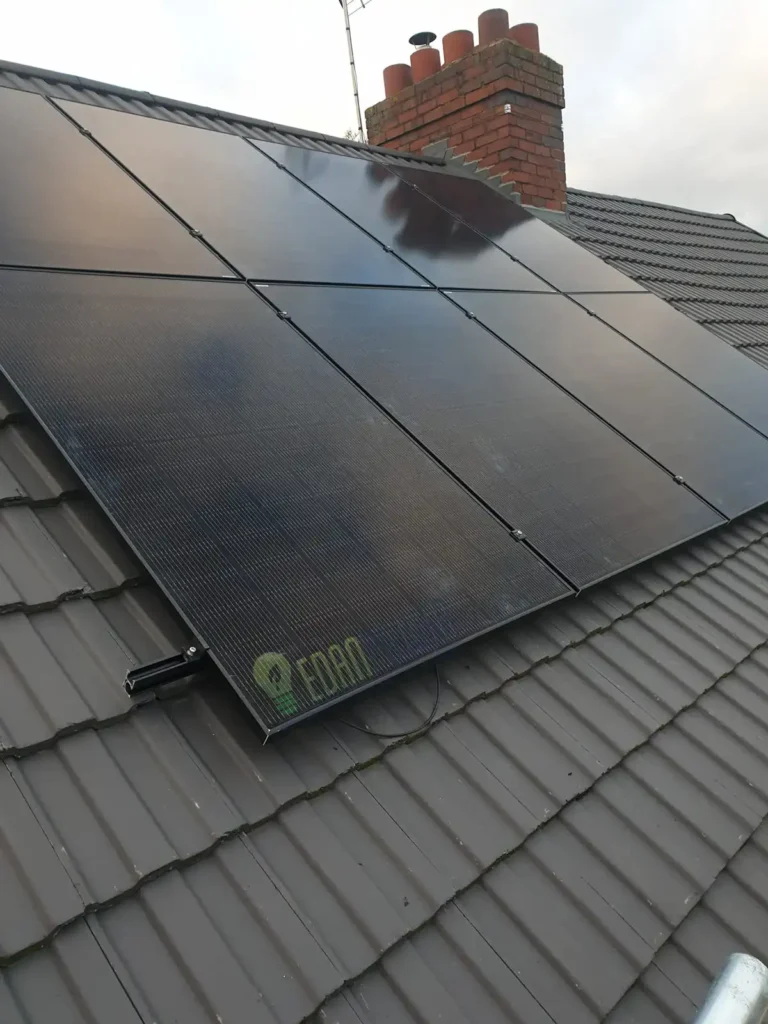
A well-planned solar system can help a business produce its own electricity from sunlight. As a result, it may rely less on electricity from the grid and gain better control over its energy costs. In addition, solar power can support a company’s plans to become more sustainable.
Choosing a commercial solar installer is an important step towards making this change. The right installer can assess your building, review your energy needs, and recommend a system that suits your business. Moreover, a good design can help you make better use of your roof space and available sunlight.
For businesses in Nottingham, commercial solar can offer a practical way to improve energy use. This guide explains how solar systems work, what benefits they offer, and what to consider before installation.
What Is Commercial Solar Installation?
Commercial solar installation involves fitting solar panels to buildings or land used by businesses. These panels capture sunlight and turn it into electricity. The system can then supply power to lights, computers, machinery, heating equipment, and other electrical items.
Unlike a small home system, a commercial installation may need to support higher energy use throughout the working day. For example, a warehouse may need power for lighting and handling equipment. Meanwhile, a factory may use large amounts of electricity to run production machinery.
A professional commercial solar installer will study these needs before suggesting a suitable system. This process helps the business choose the right panel capacity, inverter, mounting equipment, and other parts.
Furthermore, the installer will consider roof strength, shading, cable routes, and the position of electrical equipment. These checks help create a system that works safely and efficiently.
Businesses can also learn more about Solar power to understand how sunlight supports modern electricity generation.
Why Should Businesses in Nottingham Consider Solar Panels?
Nottingham has many businesses that use electricity every day. From small retail units to large industrial sites, these organisations need reliable power to keep their operations running.
However, high energy use can place pressure on business budgets. Solar panels offer a way to generate electricity on-site and reduce the amount bought from the grid.
1. Lower Electricity Bills
One of the main reasons businesses choose solar is the chance to reduce electricity costs. Solar panels produce power during daylight hours, which can match the needs of offices, shops, schools, and many industrial sites.
For instance, a business that runs computers, lights, and machinery during the day may use much of its solar electricity as it is generated. Consequently, it may need to buy less electricity from its supplier.
Actual savings depend on system size, energy use, electricity prices, and the amount of sunlight available. Therefore, businesses should review their bills before making a decision.
2. Better Control Over Energy Costs
Electricity prices can change over time. This can make it difficult for companies to plan their budgets with confidence.
By producing some of their own electricity, businesses can reduce their exposure to changes in grid prices. Although solar cannot remove every energy cost, it can provide a useful level of protection.
A skilled commercial solar installer can review your electricity use and estimate how much solar power your business may consume directly.
3. Support for Environmental Goals
Many companies now aim to reduce their carbon emissions. Solar power can support this goal because it produces electricity without burning fuel during normal operation.
As a result, a suitable solar system can help businesses reduce their reliance on electricity from the grid. This may also support environmental reporting and sustainability plans.
However, the full environmental impact depends on the equipment, system design, and electricity sources it replaces. Businesses should use reliable data when reporting their progress.
4. Make Better Use of Roof Space
Large commercial buildings often have wide, open roofs. Warehouses, workshops, and factories may have enough space for a useful number of panels.
Instead of leaving suitable roof areas unused, businesses can turn them into a source of electricity. Nevertheless, the roof must be strong enough to support the system.
Before installation, a commercial solar installer should check the roof condition, available space, and any shading from nearby buildings or trees. These checks help determine whether the site is suitable.
How Does a Commercial Solar Panel System Work?
A commercial solar system uses several parts to produce and supply electricity.
First, the solar panels capture sunlight and generate direct current (DC) electricity. Next, an inverter converts this into alternating current (AC), which most commercial buildings use.
The electricity then supplies the building’s electrical demand. If the panels produce less power than the business needs, the building can draw the remaining electricity from the grid. On the other hand, if the system produces more than the building uses, the business may export the surplus, subject to its energy agreement and connection arrangements.
The main parts of a typical system include:
Solar panels: Capture sunlight and generate electricity.
Inverter: Converts DC electricity into AC electricity.
Mounting equipment: Holds the panels securely in place.
Electrical protection: Helps protect the system and building.
Monitoring equipment: Shows how much electricity the system produces.
Battery storage: Stores surplus electricity for later use, where suitable.
Businesses can explore a suitable solar panel solution to understand the options available for their premises.
Is Battery Storage Useful for Commercial Buildings?
Solar panels produce most of their electricity during daylight hours. However, some businesses use more electricity in the evening or at night. In these cases, battery storage may help them use solar power more effectively.
A battery stores electricity for later use. When a solar system generates more power than the building needs, the battery may store some of that surplus. The business can then use the stored electricity when solar production falls.
For example, a business may use stored power after sunset or during periods of higher demand. This can reduce the need to buy electricity from the grid at those times.
However, batteries add to the cost of a solar project. Their value depends on electricity prices, the site’s usage pattern, storage capacity, and the way the business operates.
Therefore, a commercial solar installer should compare the costs and expected benefits before recommending battery storage. Some businesses may gain more value from solar panels alone, while others may benefit from a combined system.
What Should You Check Before Choosing an Installer?
Selecting the right installer is vital for a successful solar project. A suitable company should understand commercial buildings, electrical systems, and the needs of different businesses.
Before making your choice, consider the following points.
Experience and Technical Knowledge
Commercial projects can differ greatly in size and design. Therefore, look for an installer that understands the requirements of commercial roofs, electrical connections, and larger solar systems.
Ask about similar projects and the process used to assess a new site.
Clear Quotes and System Design
A good quote should explain the proposed system, expected output, equipment, installation work, and warranty terms. It should also state any assumptions behind the estimated savings.
In addition, ask whether the quote includes monitoring equipment, electrical upgrades, scaffolding, and other relevant costs.
Safety and Compliance
Solar installation involves electrical work and equipment fitted to a building. The installer should follow relevant UK safety rules, building requirements, and electrical standards.
Where needed, the company should also explain grid connection requirements and any approvals that apply to the project.
Aftercare and Customer Support
Solar systems need little day-to-day attention, but businesses may still need help with monitoring, faults, or performance questions.
For this reason, check the support available after installation. A dependable commercial solar installer should explain the handover process and tell you how to report any issues.
For businesses seeking local expertise, Edan Power provides solar installation services and can help customers understand suitable solar options. A trusted solar panel installer edan power with excellent customer support can make it easier to understand the process, compare options, and plan a suitable installation.
Why Consider Solar Panels in Nottingham?
Businesses searching for solar panel nottingham services should start by reviewing their current electricity use. This includes checking monthly bills, opening hours, and the equipment that uses the most power.
For example, a business that operates mainly during the day may use a large share of its solar electricity as soon as the panels produce it. In contrast, a company that works late into the evening may need to consider how it will use or store daytime surplus.
The building itself also matters. A large, unshaded roof may provide more installation space than a smaller roof with several obstacles. However, a site assessment is needed to confirm its suitability.
A reliable commercial solar installer can use these details to recommend a practical design. The installer can also explain the expected output and the factors that affect the financial return.
Businesses should avoid choosing a system based only on the number of panels. Instead, they should compare the system’s expected output with their real electricity needs.
Can Solar Panels Increase Business Value?
Solar panels may improve a commercial property’s appeal by providing a source of on-site electricity and helping to control energy costs. They can also support sustainability targets that matter to some customers, tenants, and business partners.
However, solar panels do not guarantee a higher property value. The result depends on the property, system ownership, installation quality, remaining equipment life, and the buyer’s priorities.
Businesses should also check roof leases, building ownership, and any restrictions before installation. These steps can help prevent delays and avoid unexpected costs.
Where suitable, solar can form part of a wider plan to improve energy efficiency. For example, a business could combine solar panels with LED lighting, better insulation, and improved energy controls.
This approach can reduce waste before the business invests in a larger electricity system.
How Much Can a Business Save with Solar?
There is no single saving that applies to every business. The result depends on several factors, including:
The size and cost of the solar system.
The amount of sunlight reaching the panels.
The building’s electricity use during daylight hours.
The price paid for imported electricity.
The payment available for exported electricity.
Maintenance costs and equipment performance.
For this reason, businesses should request a tailored assessment instead of relying on a general savings claim.
A commercial solar installer can use your energy bills and site details to estimate annual generation, likely self-consumption, and potential savings. The estimate should also explain its assumptions and any uncertainty.
Businesses comparing suppliers can review solar panels to learn more about available solar installation options.
Companies with premises in other parts of the Midlands may also wish to explore solar panels birmingham for information about commercial solar services in Birmingham.
Frequently Asked Questions
1. How long does commercial solar installation take?
The time required depends on the system size, roof access, electrical work, and any approvals. A small commercial project may take only a few days to install, while a larger or more complex project may take longer. The installer should provide a schedule after assessing the site.
2. Do commercial solar panels work on cloudy days?
Yes. Solar panels can generate electricity in cloudy weather because some sunlight still reaches them. However, their output usually falls compared with bright, sunny conditions. A suitable system design should account for changes in weather throughout the year.
3. Do businesses need battery storage?
No. A solar system can operate without a battery. Battery storage may be useful when a business wants to use surplus solar electricity later, but its financial value depends on the site’s energy use and electricity costs.
4. How long do commercial solar panels last?
Solar panels can often operate for 25 years or more, although their output gradually declines over time. The actual lifespan depends on the equipment, installation quality, and maintenance. Businesses should review product warranties and performance guarantees before choosing a system.
5. Can a commercial solar system power an entire building?
It can supply a large share of a building’s electricity needs, depending on the system size and the building’s demand. However, solar output changes with daylight and weather. A grid-connected building can usually draw extra power from the grid when solar generation falls.
6. How should a business choose the right system size?
Start by reviewing electricity bills and daily energy use. Next, assess the available roof space, shading, and electrical setup. A professional installer can then estimate the system size that best matches the site’s needs and budget.
Conclusion
Commercial solar power can help businesses reduce electricity costs, improve energy management, and support environmental goals. With the right design, solar panels can turn suitable roof space into a valuable source of electricity.
However, every commercial building has different needs. Roof condition, electricity demand, system cost, battery storage, and working hours all affect the best solution. Therefore, businesses should review these factors before making an investment.
Choosing an experienced commercial solar installer can help you understand the options and plan a system that suits your premises. Clear quotes, careful site checks, safe installation, and reliable aftercare are all important parts of the process.
For companies exploring solar panel nottingham options, Edan Power offers a route to learn more about solar solutions for business premises. By reviewing your energy use and choosing equipment that fits your needs, you can take a practical step towards more efficient and sustainable business operations.