
Why Does a Lack of Airflow Under Solar Panels Increase the Risk of Overheating?
A lack of airflow under solar panels can increase the risk of overheating because trapped heat has nowhere to go. For solar installers uk, this is a key point to understand because panel cooling affects both system efficiency and long-term performance.
Solar panels work best when they stay cooler. However, when panels sit too close to a roof or when air cannot move freely beneath them, heat builds up fast. As a result, the panel surface gets hotter, the electrical output can drop, and the system may not perform as well as expected. In simple terms, airflow helps solar panels breathe, and without it, heat becomes a problem.
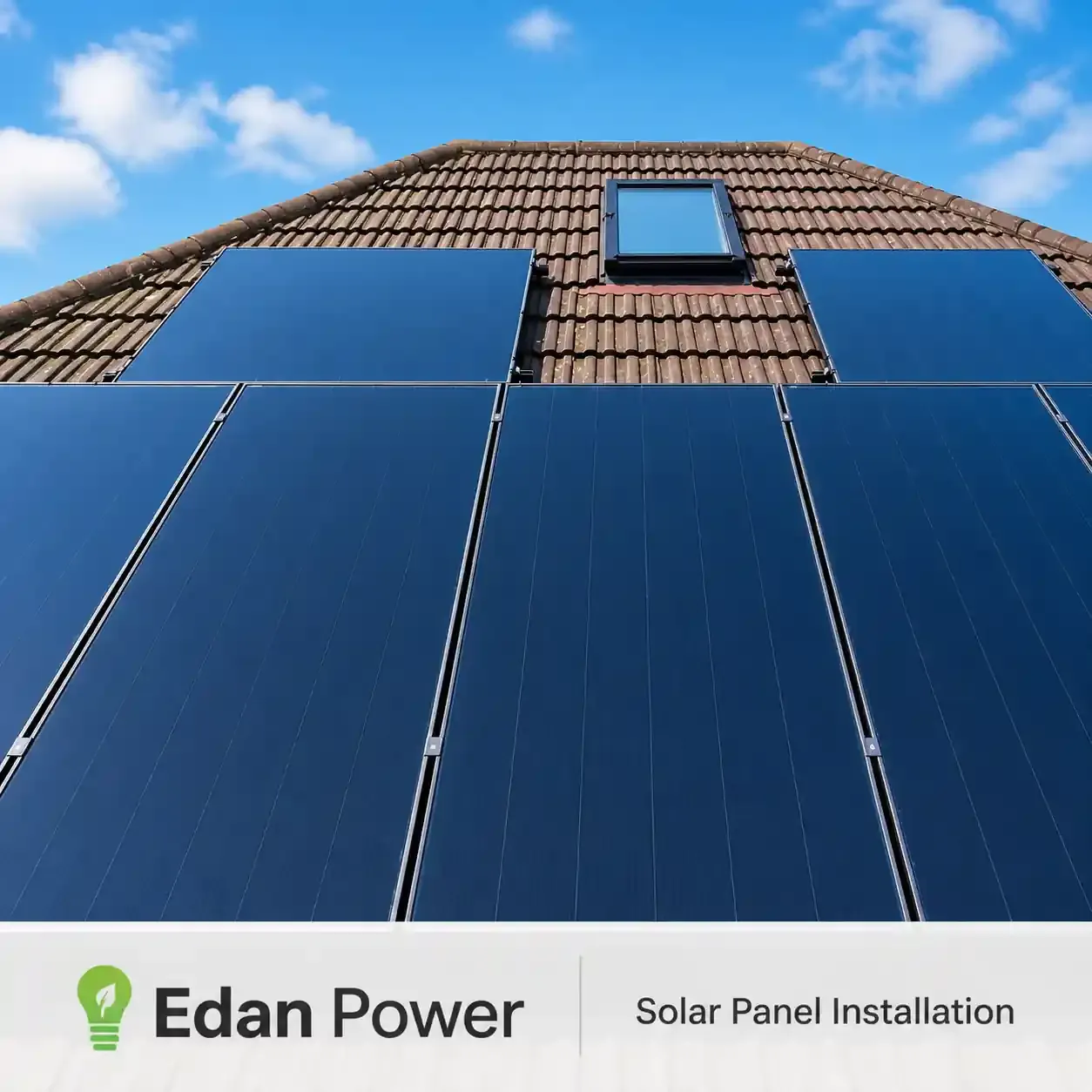
Why airflow under solar panels matters
Solar panels convert sunlight into electricity, but they also absorb heat. That heat is a normal part of how panels work. Even so, too much heat can reduce how much power the panel produces.
Airflow beneath the panels helps carry that heat away. When air moves under the modules, it takes some of the heat with it. This cooling effect is important because solar panels are mounted outdoors, often on rooftops that already get very hot in the sun. If the space below the panel is sealed off or poorly ventilated, the heat stays trapped and the panel temperature rises.
This is why mounting design matters so much. A well-planned installation leaves enough room for air to move under the panels. A poor installation can block that movement and create a hotter system. Therefore, airflow is not just a nice extra. It is part of good solar performance.
How overheating affects solar panel performance
Overheating does not usually damage a solar panel right away, but it can lower efficiency. In practical terms, that means the panels may produce less electricity than they should.
When a panel gets hotter, its voltage tends to fall. That can reduce total output, especially during long sunny days when the panels are already under heavy load. In other words, the panel may be receiving plenty of sunlight, but it is not turning that sunlight into as much electricity as possible.
Heat can also increase stress on panel parts over time. Connectors, wiring, and backsheet materials all face more wear when temperatures remain high for long periods. Because of that, overheating can affect both short-term production and long-term durability. So while the issue may seem small at first, it can create real losses over the life of the system.
What research says about ventilation and heat
Research on photovoltaic systems has shown a clear link between ventilation and temperature. Studies consistently find that panels installed with better airflow run cooler than panels with poor or restricted airflow. Cooler panels also tend to perform better.
Solar installers uk some research suggests that an air gap under the panels can help reduce temperature and lower the risk of hot spots. Hot spots are small areas of excessive heat that can form when heat cannot escape evenly. These hot spots can be especially troublesome because they may lead to uneven wear or performance issues.
Other studies note that panel angle, roof pitch, and installation style also affect heat buildup. For example, panels on a steep roof may cool better than panels mounted very close to the surface. Likewise, the length of the panel row and the spacing between rows can change how air moves through the system.
The main lesson is simple: the more freely air can move, the easier it is for the system to stay within a safer temperature range. That is why professional installers pay attention to the mounting structure, roof shape, and local climate before choosing a setup.
Why poor airflow causes overheating
Poor airflow causes overheating because heat collects in the space between the panel and the roof. That space can act like a small pocket of still air. Since still air does not move heat away quickly, the temperature rises.
The problem gets worse on warm days. Sunlight heats the roof, the roof radiates heat upward, and the panel adds even more heat to the same area. Without enough ventilation, those three sources of heat work together. As a result, the panel stays hot for longer.
Blocked airflow can also happen when panels are mounted too close together or when debris, dirt, or nesting material reduces air movement. Sometimes the roof design itself limits ventilation.
In other cases, the solar installers uk have been installed with too little planning around cooling. That is why installation quality matters just as much as panel quality.
Signs that airflow may be too limited
There are a few signs that airflow under solar panels may not be enough. One sign is that the system seems to underperform during hot weather even though sunlight is strong. Another sign is that the roof area below the panels feels unusually hot.
In some cases, you may also notice uneven panel performance. If one section of the array gets hotter than the others, it may be due to poor air movement. Over time, solar installers uk can create a pattern where the same panels run warmer and lose more output.
Of course, not every performance drop is caused by heat. Dirt, shading, inverter issues, and wiring faults can also play a role. However, if the system is overheating often, airflow should be one of the first things to check.
How installers improve airflow
Professional solar installers use several methods to improve ventilation under solar panels. First, they leave a proper air gap between the roof and the panel frame. This gap gives hot air space to escape and allows cooler air to enter from below.
Second, they plan the panel layout carefully. If panels are packed too tightly, air cannot move well between rows. Good spacing helps the roof area stay cooler and supports better performance.
Third, they avoid blocking ventilation paths with extra hardware or unnecessary coverings. Even small changes in design can affect airflow. That is why experienced solar installers uk often review the roof structure in detail before finalizing the design.
Why roof type matters
Not all roofs behave the same way. A tile roof, a metal roof, and a flat roof each handle heat differently. Some roofs naturally allow better air movement, while others trap heat more easily.
For example, flat roofs often need special mounting frames to create enough space for air to move under the panels. Without this space, heat can build up quickly. On pitched roofs, the natural slope may help air rise and escape more easily. Even so, poor mounting can still reduce ventilation.
The color and material of the roof also matter. Darker roofs absorb more heat, which can raise the temperature under the panels. Light-colored or reflective roofs may help reduce some of that heat. Therefore, the same panel can behave differently depending on where and how it is installed.
Can too much airflow be a problem?
In most cases, more airflow is helpful. However, there is still a balance to keep in mind. A system that is mounted too high may catch more wind, which can increase structural stress. It may also make the installation more complex and costly.
That is why solar installers uk design is about finding the right middle ground. The goal is not to create the biggest gap possible. The goal is to create enough airflow for cooling while keeping the system secure, efficient, and suitable for the roof.
This balance is especially important in the UK, where weather can change quickly. A good system must manage heat in summer while also standing up to wind and rain throughout the year. So airflow should be designed carefully, not added randomly.
What homeowners should ask before installation
Before installing solar panels, homeowners should ask a few important questions. First, ask how the installer plans to manage airflow under the panels. Second, ask what mounting gap will be used and why. Third, ask whether the design changes depending on the roof type.
It is also smart to ask how heat may affect output during summer months. A good installer should be able to explain the cooling plan in plain words. If they cannot explain it clearly, that may be a warning sign.
Homeowners should also ask whether the system has been designed to allow maintenance access. Better airflow is useful, but the panels still need to be safe and practical to inspect. A well-designed system should support both.
Final thoughts
So, does a lack of airflow under solar panels increase the risk of overheating? Yes, it does. Trapped air makes it harder for heat to escape, and that can lower panel efficiency, raise long-term stress, and reduce overall performance.
The good news is that this problem is easy to reduce with smart design. Proper spacing, the right mounting system, and careful planning all help panels stay cooler. For solar installers uk, this is one of the simplest ways to improve system quality and protect energy output.
In the end, airflow under solar panels is not just about cooling. It is about better efficiency, better durability, and better value for the whole solar system.