
How Long Do Solar Panels Last?
Solar panels are a popular way to produce clean electricity at home or at work. They use sunlight to create power, which can help reduce energy bills and reliance on the grid. However, one common question is how long a solar system can keep working.
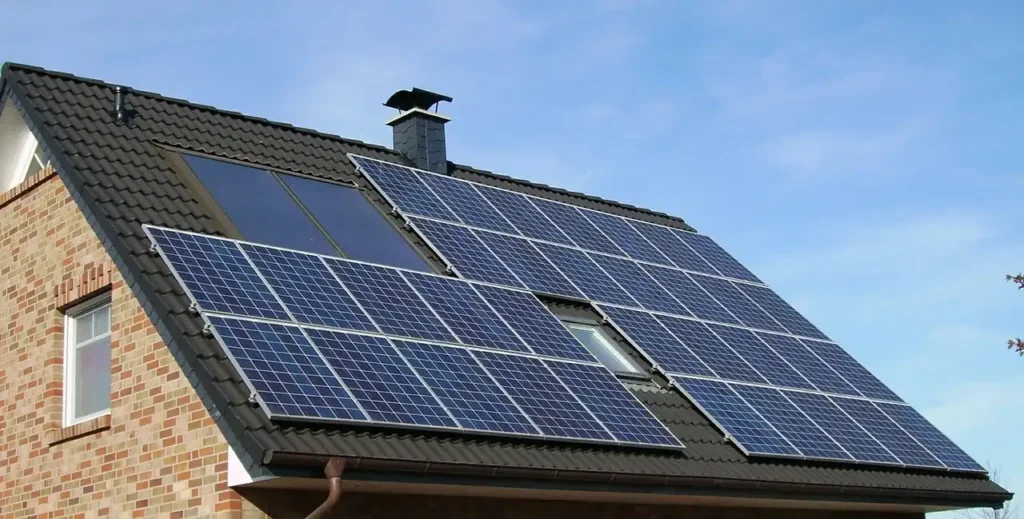
In most cases, modern solar panels can last 25 to 30 years or more. They may continue to produce electricity beyond this period, although their output can slowly reduce over time. Therefore, a good installation, regular checks and quality equipment can help a system perform well for many years.
This guide explains solar panel lifespan, what affects performance, how to maintain a system and what you can expect after 25 years.
What Are Solar Panels?
Solar panels are devices that turn sunlight into electricity. A typical system uses several panels connected together. The panels contain photovoltaic cells, which react to sunlight and create direct current (DC) electricity.
An inverter then changes this electricity into alternating current (AC). Your home can use this power for lights, appliances, heating systems and other electrical equipment.
You can learn more about solar as a wider source of natural energy.
A complete system may also include monitoring equipment, mounting rails, cables, protection devices and, where needed, a battery. As a result, the lifespan of the whole system depends on more than the panels alone.
How Long Do Solar Panels Last?
Most modern solar panels have a useful working life of around 25 to 30 years. However, this does not mean they suddenly stop working after 25 years.
Instead, their power output normally decreases slowly. This process is called degradation. For example, a panel may produce slightly less electricity after many years than it did when it was new.
Many good-quality panels are designed to retain a large part of their original performance after 25 years. Some can continue producing useful electricity for 30 years or longer.
So, when you ask how long solar panels last, it is better to think about gradual performance loss rather than a fixed end date.
What Is Solar Panel Degradation?
Solar panel degradation means a gradual fall in electricity production.
When a new system is installed, the panels usually provide their highest output. Over time, exposure to sunlight, heat, cold, rain and other weather conditions can affect the materials.
The rate of degradation varies between products. High-quality panels often have strong performance warranties that cover their expected output for many years.
Several factors can affect degradation, including:
Panel quality
Manufacturing standards
Local weather
Heat exposure
Installation quality
Roof conditions
Cleaning and maintenance
Shading
Electrical connections
Therefore, choosing reliable equipment at the start can make a major difference over the long term.
Why Panel Quality Matters
Not every solar panel is made in exactly the same way. Manufacturers use different cell designs, materials and production methods.
A high-quality panel can offer better long-term performance. It may also have a stronger product warranty and a better performance warranty.
When comparing systems, do not look only at the purchase price. Instead, check the panel efficiency, warranty period, expected degradation rate and manufacturer reputation.
Working with experienced solar companies can also make the process easier. Good installers can help you choose equipment that suits your roof, electricity use and budget.
How Weather Affects Solar Panel Life
Solar panels are designed to work outside. Therefore, they can handle normal exposure to sunlight, rain and wind.
However, extreme conditions can affect their lifespan.
Strong heat can increase the stress on panel materials. Heavy snow, hail, strong winds and storms can also cause physical damage in some locations.
Modern panels are tested to withstand many outdoor conditions. Even so, correct installation remains important.
For example, panels must have suitable mounting systems and secure fixings. Cables should also be protected and routed correctly.
In addition, your roof should be suitable for the system. A weak or damaged roof can create problems even when the panels themselves are high quality.
Does Maintenance Make Solar Panels Last Longer?
Solar panels do not usually need a large amount of maintenance. That is one reason they are attractive to homeowners and businesses.
However, simple checks can help protect the system.
Keep an eye on your electricity generation through the monitoring system. If production falls without an obvious reason, there may be an issue with shading, dirt, wiring or another component.
It is also useful to keep the panels free from heavy dirt, leaves and other debris. Rain often helps clean them naturally. In areas with high levels of dust or pollution, professional cleaning may sometimes help.
Avoid walking on panels or using harsh cleaning products. These actions can damage the surface.
Regular professional inspections can also identify small problems before they become expensive repairs.
What Other Parts Can Fail Before the Panels?
Although solar panels can last 25 to 30 years or more, other system parts may have shorter lifespans.
The inverter is one important example. Depending on the model and operating conditions, an inverter may need replacement during the life of the panels.
A home battery can also have a different lifespan. Battery technology continues to improve, but batteries experience charge and discharge cycles that affect their long-term performance.
You can read more about a battery and how battery technology works.
Therefore, a solar system can continue working for decades even if one component needs replacement during that time.
Can Solar Panels Last 40 Years?
Some solar panels may continue producing electricity for 35 or even 40 years. However, their output will usually be lower than when they were new.
The key point is that the panel does not normally stop producing power at a specific age.
Instead, production gradually falls. If a panel still produces useful electricity and remains safe, it may continue to serve a home or business.
However, technology can also change over time. Newer panels may offer higher efficiency and better performance. Therefore, owners may eventually decide to replace older panels even when they still work.
The Role of Solar Installation Quality
Installation quality has a major effect on system performance.
Poor installation can cause issues with cables, mounting, waterproofing, ventilation and electrical connections. In contrast, careful installation can help protect the system from avoidable problems.
Experienced solar companies can assess roof direction, roof angle, shading and expected electricity use before installation.
They can also recommend the right system size. A correctly designed system can provide useful power without unnecessary equipment.
This is especially important when choosing a local installer for projects such as solar panels Birmingham.
Solar Panels and Home Energy Savings
A well-designed solar system can help reduce the amount of electricity you need to buy from the grid.
During sunny periods, the panels can generate electricity for use in your property. If your system produces more electricity than you need at that moment, the extra power may be exported to the grid, depending on your setup and tariff.
A battery can store surplus electricity for later use. This can help you use more of your own generated power when the sun is not shining.
The wider meaning of energy covers the ability to do work or provide power. In a home, solar energy can become a useful part of a wider energy plan.
How Long Do Solar Panels Last in the UK?
The UK has a suitable climate for solar power. Although the country has many cloudy days, solar panels can still generate electricity from daylight.
Rain can help wash away some surface dirt. At the same time, UK systems must deal with wind, rain, cold weather and changing temperatures.
Good-quality panels are designed for outdoor use. Therefore, normal UK weather should not prevent a properly installed system from lasting for decades.
However, roof condition and installation quality remain important. A professional installer should check these factors before fitting a system.
How Can You Extend the Life of Solar Panels?
You can take several simple steps to support long-term performance:
1. Choose quality equipment
Start with reliable panels, inverters and mounting equipment. Look at warranties as well as price.
2. Use a professional installer
Experienced solar companies can design and install a system correctly. Good workmanship can reduce the risk of avoidable faults.
3. Monitor electricity production
Keep an eye on system performance. A sudden drop in output may indicate a problem.
4. Keep the panels clear
Remove heavy debris and arrange professional cleaning when required.
5. Check the roof
Make sure the roof remains in good condition. Repairing roof problems early can protect the wider installation.
6. Inspect the electrical system
Professional checks can help identify damaged cables, loose connections or inverter problems.
7. Look after the inverter and battery
These components may need attention before the panels do. Regular monitoring can help identify changes in performance.
When Should You Replace Solar Panels?
There is no single replacement date for every system.
You may consider replacement when panel output becomes too low, damage occurs, repair costs become high or newer technology offers a clear benefit.
For example, a modern panel may produce more electricity from the same roof area. If your electricity needs have increased, replacing older equipment may also make sense.
Still, there is no need to replace working panels simply because they have reached 25 years. Their actual condition and performance matter more than age alone.
Choosing the Right Installer
Choosing a reputable installer is one of the most important decisions you can make.
Look for experience, suitable accreditations, clear warranties and good customer support. A professional company should explain the expected output, equipment choices and maintenance needs in simple terms.
If you are comparing solar companies, consider more than the installation price. Ask yourself whether the company offers suitable equipment, careful installation and support after the work is complete.
For homeowners looking for reliable help, trusted solar panel installer Edan Power with excellent customer support can provide a professional approach to solar projects.
You can explore the solar panel services offered by Edan Power. You can also learn more about solar panels and available installation solutions.
Are Solar Panels Worth It for 25 Years?
For many properties, solar panels can provide long-term value.
The benefits depend on several factors. These include the size of the system, electricity use, roof position, shading, installation cost and energy prices.
Because panels can operate for 25 to 30 years or more, the system may continue producing electricity long after the initial installation cost has been paid.
In addition, solar power can reduce dependence on grid electricity. A battery can further increase the amount of generated electricity that you use at home.
As a result, solar power can form part of a long-term plan for lower electricity costs and cleaner power.
Common Solar Panel Problems
Solar panels are generally reliable, but problems can occur.
Common issues include:
Physical panel damage
Inverter faults
Cable problems
Poor connections
Heavy dirt or debris
Shading from trees
Roof-related problems
Monitoring faults
Fortunately, many problems can be identified through system monitoring. A professional inspection can then help find the cause.
Do not attempt electrical repairs yourself unless you have the required training. Instead, use a qualified professional.
Frequently Asked Questions
How long do solar panels normally last?
Most modern solar panels can last around 25 to 30 years or more. They usually continue producing electricity after this period, although their output may gradually decrease.
Do solar panels stop working after 25 years?
No. Twenty-five years is often linked to performance warranties, not a fixed failure date. Panels can continue producing electricity for many more years.
Do solar panels need regular maintenance?
They need relatively little maintenance. However, monitoring, visual checks and occasional professional inspections can help maintain good performance.
Does rain damage solar panels?
No. Solar panels are designed for outdoor use and can handle normal rain. Proper installation helps protect the electrical parts and roof from weather-related problems.
Can solar panels last 30 years?
Yes. Many quality systems can continue working for 30 years or longer. Their electricity output may slowly decline over time.
How long does a solar inverter last?
An inverter may have a shorter working life than the panels. Its lifespan depends on the model, installation conditions, workload and environment.
Can a battery last as long as solar panels?
Usually, a battery has a different lifespan from the panels. It experiences charging and discharging cycles, so it may need replacement before the panels.
Should old solar panels be replaced?
Not always. If older panels still produce useful electricity and remain safe, they may continue working. Replacement becomes more attractive when performance drops or newer technology offers clear benefits.
How do I choose between solar companies?
Compare experience, equipment quality, warranties, installation standards, customer service and aftercare. The cheapest quote is not always the best long-term choice.
Are solar panels suitable for Birmingham?
Yes. Solar panels can generate electricity from daylight in Birmingham and across the UK. A professional assessment can determine the best system size and panel position for a property.
Conclusion
Solar panels can provide clean electricity for many years. In general, you can expect modern panels to work for 25 to 30 years or more. They do not normally stop working suddenly. Instead, their output slowly decreases as they age.
Quality equipment, careful installation and simple maintenance can support long-term performance. Furthermore, monitoring the system can help you find problems early.
Other components, such as inverters and batteries, may need replacement before the panels themselves. However, this does not mean the complete solar system has reached the end of its useful life.
When choosing solar companies, focus on quality, experience and aftercare rather than price alone. A well-planned system can become a valuable part of your home energy setup for decades.
For homeowners considering solar installation companies, careful planning and professional support can make the journey easier. With the right system, your solar panels can continue producing useful electricity for many years while helping you make better use of clean, renewable power.