
How Much Electricity Can a 12-Panel Solar System Produce in the UK?
A 12-panel solar system can produce a useful amount of clean electricity for a UK home. However, the exact amount depends on panel power, roof direction, roof angle, shading, weather, and location.
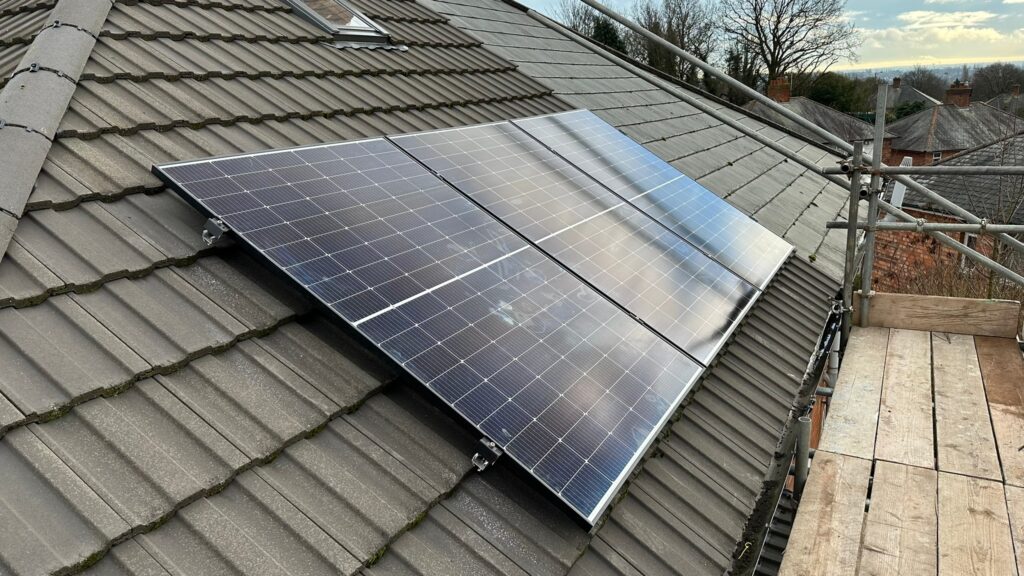
For example, if each panel produces 400 watts, 12 panels create a 4.8kWp solar system. In the UK, a system of this size may generate around 4,000 to 5,000 kWh of electricity per year in good conditions. Some homes may produce less, while others may produce more.
Many homeowners search for solar providers near me when they want to understand how much energy their roof can produce. Before choosing an installer, it helps to understand how solar generation works and what you can realistically expect.
How Much Power Can 12 Solar Panels Produce?
The first step is to look at the power rating of each panel.
Modern home solar panels often have a power rating between 350W and 500W. Therefore, the total system size changes with the panel rating.
Here are some simple examples:
| Number of Panels | Panel Size | Total System Size |
|---|---|---|
| 12 | 350W | 4.2kWp |
| 12 | 400W | 4.8kWp |
| 12 | 450W | 5.4kWp |
| 12 | 500W | 6.0kWp |
A 12-panel system with 400W panels is a useful example for a typical home.
It has a total capacity of:
12 × 400W = 4,800W
That equals 4.8kWp.
However, 4.8kWp does not mean the system produces 4.8kWh every hour. Solar panels only produce electricity when sunlight reaches them. Also, their output changes throughout the day.
Estimated Annual Electricity From 12 Panels
A well-designed 4.8kWp system in the UK could generate roughly 4,000 to 5,000kWh per year.
A simple estimate might look like this:
4.8kWp × around 900–1,050kWh per kWp = about 4,320–5,040kWh per year.
This is only an estimate. Real output can vary.
For this reason, solar providers near me can be useful when you want a more accurate calculation based on your postcode, roof, panel position, and local conditions.
A professional survey can also identify shading from trees, chimneys, nearby buildings, or other objects.
How Much Electricity Can 12 Panels Produce Per Day?
Daily solar production changes a lot across the year.
During a bright summer day, a 4.8kWp system could produce 20–25kWh or more under favourable conditions.
On a cloudy winter day, production may fall to only a few kWh.
This happens because the UK does not receive the same amount of sunlight every day. Summer days are longer, and the sun stays higher in the sky. Winter days are shorter, and the sun sits lower.
Here is a simple example of how production might look:
| Season | Possible Daily Production |
| Summer | 15–25kWh+ |
| Spring | 10–20kWh |
| Autumn | 7–15kWh |
| Winter | 2–8kWh |
These figures are examples rather than guarantees.
A clear summer day can give excellent output. In contrast, a dark winter day can give very little energy.
What Is the Yearly Output of a 12-Panel System?
For a 4.8kWp system, an annual output of around 4,000–5,000kWh is a reasonable starting range for many UK homes.
To make this easier to understand, imagine the system produces 4,500kWh in one year.
That would average:
4,500 ÷ 12 = 375kWh per month
However, the real monthly output will not be equal.
You may produce far more than 375kWh in June. In December, production could be much lower.
This is why yearly production gives a better picture than looking at only one month.
Homeowners comparing solar providers near me should also ask installers for an estimated annual generation figure. This helps you compare different system designs more fairly.
What Affects Solar Panel Output in the UK?
Several factors affect how much electricity your 12 panels can produce.
1. Panel Power
Panel wattage has a direct effect on system size.
For example, 12 × 500W panels give you a 6kWp system. This can produce more electricity than 12 × 350W panels when other conditions are similar.
However, higher-wattage panels may cost more. They can also be useful when roof space is limited.
2. Roof Direction
Roof direction has a major effect on solar generation.
A south-facing roof is often very good for solar in the UK because it receives strong sunlight across much of the day.
East-facing roofs can produce more energy in the morning. West-facing roofs can produce more in the afternoon.
A north-facing roof may still work, but it often produces less energy.
Therefore, the best design depends on your actual roof rather than direction alone.
3. Roof Angle
The angle of the roof also affects solar production.
A roof with a suitable pitch can help panels receive sunlight effectively. Yet there is no single roof angle that works perfectly for every property.
An installer can assess the roof and calculate the expected output.
4. Shading
Shade can reduce solar generation.
Trees, chimneys, dormers, buildings, and other objects can block sunlight. Even partial shade can affect panel performance.
Modern system designs can reduce some shading problems with suitable equipment, but good panel placement remains important.
If your roof has shade, ask solar providers near me to include shading in the system design and generation estimate.
5. Weather
The UK has changing weather throughout the year.
Solar panels can still generate electricity on cloudy days. However, their output usually falls when sunlight becomes weaker.
Rain does not stop solar panels from working. In fact, rain can sometimes help clean dust and dirt from the panels.
Still, long periods of heavy cloud can reduce total production.
6. Panel Condition
Solar panels need little maintenance, but keeping them in good condition is important.
Dirt, bird droppings, leaves, and other debris can reduce the amount of sunlight reaching the panel.
Fortunately, rain often helps keep panels clean. In areas with heavy dirt or unusual conditions, professional cleaning may help.
Can 12 Solar Panels Power a UK Home?
They can provide a large part of a home’s electricity needs, depending on household usage.
For example, a home that uses 3,500kWh per year may produce more electricity from a 4.8kWp solar system than it uses over the full year.
However, this does not mean the home will use all solar electricity directly.
Most households use electricity in the morning, evening, and at night. Solar panels produce most of their electricity during daylight hours.
That creates a timing difference.
For example, your panels may produce plenty of electricity at midday when the home is empty. Later, the family may use more electricity after the sun has gone down.
Why Add a Solar Battery?
A battery can store some of the extra electricity produced during the day.
Instead of sending unused solar electricity to the grid, the battery can store it for later use.
For example:
- Solar panels generate electricity during the day.
- Your home uses some of that energy.
- Extra energy charges the battery.
- The battery stores the energy.
- You can use stored energy later.
This can help increase your use of your own solar electricity.
However, battery size should match your energy use and solar system. A larger battery is not always the best choice.
When speaking with solar providers near me, ask whether battery storage would make sense for your household.
How Much Money Can 12 Solar Panels Save?
The financial benefit depends on several things.
Your savings can come from using solar electricity instead of buying all your electricity from the grid. You may also receive payment for eligible electricity exported to the grid under an export tariff.
The amount you save depends on:
- Your electricity price
- How much solar energy you use yourself
- Your annual electricity consumption
- Your export rate
- Your solar system size
- Whether you have a battery
- The cost of installation
For example, a family that uses lots of electricity during daylight hours may use more solar power directly.
A household that is usually empty during the day may benefit more from a battery or a suitable export tariff.
Therefore, the best system should be designed around your actual energy habits.
Is a 12-Panel Solar System Right for Your Home?
A 12-panel system can be a good option for many UK homes.
A 4.8kWp system can generate around 4,000–5,000kWh per year under suitable conditions. That can make a meaningful difference to household energy costs.
Still, the right system size depends on your home.
Your roof may have space for more or fewer panels. Your electricity use may also be higher or lower than average.
A professional assessment can help you choose the right number of panels.
If you are searching for solar providers near me, compare companies based on more than price. Look at their experience, warranties, system design, installation standards, and after-sales support.
How Can You Get the Most From 12 Solar Panels?
You can improve the value of your solar system by using electricity when the panels are producing power.
For example, try running some appliances during daylight hours.
You could use your washing machine, dishwasher, or other suitable appliances when solar generation is high.
Smart timers and energy management systems can also help.
A battery can provide another way to use more of your own solar electricity.
At the same time, regular monitoring can show you how much electricity your system generates. This makes it easier to spot unusual drops in performance.
Should You Compare Solar Installers?
Yes. Choosing the right installer is important because solar panels can stay on your roof for many years.
Start by asking several solar providers near me for quotes.
Each quote should explain the proposed panel size, inverter, expected annual generation, warranty information, installation work, and any battery options.
Do not choose an installer only because they offer the cheapest price.
A low-cost system may not provide the best long-term value if the design, equipment, or support is poor.
Instead, compare the complete package.
Frequently Asked Questions
How much electricity does a 12-panel solar system produce?
A 12-panel system using 400W panels has a capacity of 4.8kWp. In the UK, it may generate around 4,000–5,000kWh per year, depending on location and system conditions.
How much does a 12-panel system produce in summer?
A 4.8kWp system may produce around 15–25kWh or more on a good summer day. Actual output changes with weather, roof direction, shading, and panel angle.
Can 12 solar panels power my whole house?
They can cover a large share of annual electricity demand for some homes. However, the result depends on your energy use and how much solar electricity you use directly.
Do solar panels work on cloudy days?
Yes. Solar panels can produce electricity in cloudy weather. However, output is usually lower than on a bright, clear day.
Is a battery needed with 12 solar panels?
No. A battery is not required for solar panels to work. However, a battery can store unused daytime electricity for later use and may increase your use of solar energy.
What should I ask an installer?
Ask about expected yearly generation, panel wattage, inverter size, warranties, shading, roof suitability, installation standards, maintenance, and export options.
You can also ask solar providers near me to provide a clear estimate based on your home rather than relying on a general national figure.
Final Thoughts
A 12-panel solar system can produce a strong amount of clean electricity for a UK home. With 400W panels, the system would have a capacity of around 4.8kWp and could generate roughly 4,000–5,000kWh each year in suitable conditions.
However, your actual result will depend on your roof, location, sunlight, shading, panel quality, and household use.
Summer normally brings the highest production, while winter brings much lower output. A battery can also help you use more of the electricity your panels generate during the day.
Before you invest, speak with solar providers near me and request a detailed system design. Compare the expected annual generation, equipment, warranties, installation quality, and overall cost.
With the right design, 12 solar panels can help reduce grid electricity use, lower energy costs, and provide clean renewable power for many years.