
How Can I Tell If My Solar Panel Wiring Is Faulty? A Simple Guide
Choosing the right solar installer is an important step towards lower energy costs. Solar power can help you use less electricity from the grid. It can also help you make better use of clean, renewable power. However, the quality of your system depends on the products you choose and the team that installs them.
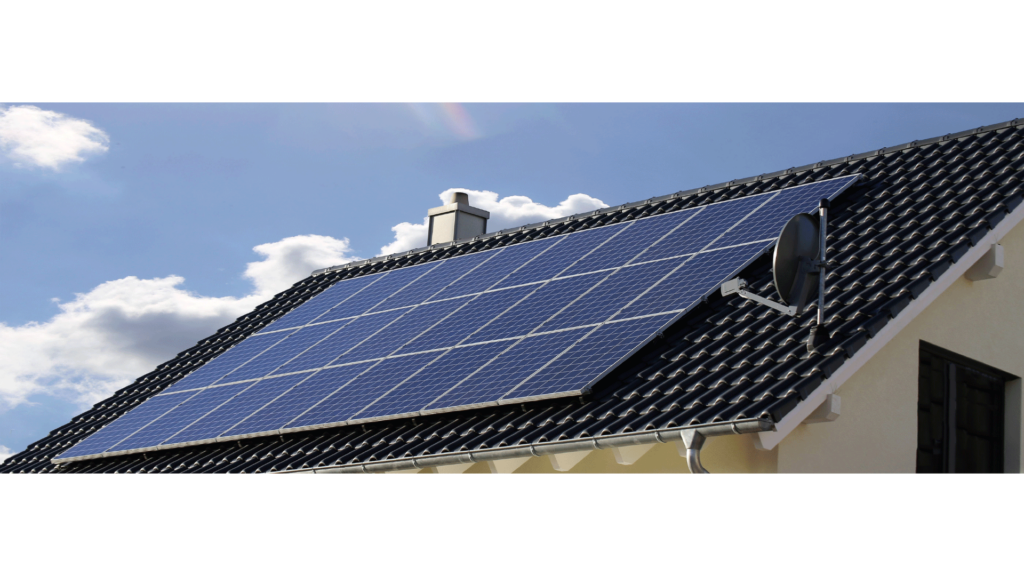
When you search for solar companies near me, you may find many businesses offering different prices, products and services. Therefore, it is important to compare your options before you make a decision. A good installer will explain your choices, assess your property and help you find a system that suits your needs.
This guide explains what to look for in a solar company, how solar panels work, and how to get better value from your investment. It also covers batteries, energy savings, installation costs and common questions.
What Do Solar Companies Do?
Solar companies help homes and businesses produce electricity from sunlight. Their services often include site surveys, system design, equipment supply, installation and aftercare.
First, an installer checks your roof, available space and current energy use. Next, the team recommends a suitable system. Finally, qualified installers fit the equipment and check that it works as planned.
When comparing solar companies near me, look beyond the price alone. A reliable company should explain each stage of the work in clear language. It should also help you understand the benefits and limits of your proposed system.
Most solar companies offer some or all of these services:
Solar panel supply and installation.
Solar battery installation and storage.
Inverter supply and replacement.
Commercial solar systems for offices, shops and warehouses.
Solar system checks and maintenance.
Advice on energy use and ways to reduce waste.
As a result, you can choose a provider that meets your needs today and supports your system in the future.
How Do Solar Panels Work?
Solar panels turn sunlight into electricity. They contain photovoltaic cells that respond to light and produce electrical power. An inverter then changes this electricity into a form that most home and business appliances can use.
You can learn more about solar power and how it works. In simple terms, the system uses sunlight to produce electricity without burning fuel at your property.
During the day, your panels can power lights, computers, kitchen appliances and other electrical equipment. If your system produces more electricity than you need, you may be able to store the extra power in a battery or export it to the grid.
However, solar panels do not produce the same amount of electricity every day. Their output depends on sunlight, weather, roof direction, shading and the size of your system.
Therefore, a professional survey is vital. It helps the installer estimate how much electricity your panels may produce and whether your roof is suitable.
How to Find Reliable Solar Companies Near Me
Finding a suitable installer takes more than a quick online search. You need a company that offers good products, skilled installation and clear support.
Here are the main points to check before you choose a provider.
1. Check Experience and Qualifications
Start by checking the company’s experience with solar projects like yours. For example, a home with a small roof may need a different design from a large commercial building.
Ask about the team’s training, relevant qualifications and industry accreditations. In the UK, you can check whether an installer holds suitable certification, such as MCS certification, for the work and scheme involved. You should also check the relevant electrical qualifications and building requirements.
In addition, ask for examples of completed projects. Photos, customer reviews and case studies can help you understand the company’s work.
2. Compare Quotes Carefully
When you contact solar companies near me, request a written quote from each suitable installer. This makes it easier to compare the full cost and the equipment included.
A clear quote should explain:
The number and type of solar panels.
The inverter brand and model.
The expected system size in kilowatts.
The cost of labour and installation.
Any battery storage included.
Warranty terms and aftercare.
Any extra work required for your roof or electrical system.
The cheapest quote may not offer the best value. For instance, a low price may exclude important electrical work or provide limited aftercare.
Instead, compare the full package. This will help you choose a system that offers suitable performance and long-term value.
3. Read Customer Reviews
Customer reviews can reveal how a company treats its clients. Look for feedback about communication, installation quality, punctuality and support after the work ends.
Also, check how the company responds to complaints. A professional installer should deal with problems in a clear and fair way.
Although positive reviews can be useful, do not rely on them alone. Check the company’s credentials, warranty terms and written quote as well.
4. Ask About Warranties
Solar equipment usually comes with different types of warranties. These may cover product faults, panel performance, inverter parts and installation workmanship.
However, warranty terms vary between products and installers. Therefore, ask what each warranty covers, how long it lasts and who will handle a claim.
A good installer will explain these details before you sign a contract. This gives you a clearer picture of your protection if a problem occurs later.
What Makes a Good Solar Panel Installation?
A successful installation starts with careful planning. The installer should consider your electricity use, roof condition, shading and future energy needs.
For example, a family that uses more electricity in the evening may benefit from battery storage. In contrast, a business that uses most of its power during daylight hours may gain more direct value from solar generation.
When comparing solar companies near me, ask each installer to explain why they recommend a particular system size. A larger system is not always the best choice. Your needs, roof space and budget should guide the decision.
The installer should also check the roof structure and identify any issues before work begins. Once the system is fitted, the team should test the equipment and explain how to monitor its performance.
Finally, ask for the system documents, warranties and operating instructions. Keep these records safe so you can refer to them when needed.
Solar Batteries and Energy Storage
A solar battery stores electricity that your panels produce but your property does not use straight away. You can then use that stored power when your panels produce less electricity, such as in the evening.
Learn more about a battery and its role in storing electrical energy.
A battery may help you use more of your own solar power. It can also reduce the amount of electricity you buy from the grid. However, the savings depend on your energy habits, battery size, tariffs and installation costs.
For example, a home that uses more electricity after sunset may benefit from storage. On the other hand, a business that uses most of its power during the day may gain less from a battery.
Therefore, ask your installer to compare the cost of a solar-only system with a solar-and-battery system. This will help you decide whether the extra investment makes sense.
Can Solar Panels Help You Save Money?
Solar panels can reduce the amount of grid electricity you need to buy. As a result, they may help you save money on your electricity bills.
However, the actual savings depend on several factors. These include your system size, electricity use, local weather, energy prices and the amount of solar power you use at the time it is generated.
To improve your results, consider these simple steps:
Run suitable appliances during daylight hours.
Use timers for washing machines and dishwashers where practical.
Monitor your solar generation and electricity use.
Reduce unnecessary energy use at home or work.
Compare electricity tariffs before choosing an export arrangement.
Consider battery storage if it suits your usage pattern.
These steps can support your energy saving goals. They can also help you make better use of the electricity your system produces.
When researching solar companies near me, ask for a clear estimate of expected generation and savings. Remember that estimates are not guarantees. A trustworthy installer should explain the assumptions behind its calculations.
Commercial Solar Panels for Businesses
Solar power is not only for homes. Businesses can also use it to manage electricity costs and reduce their reliance on grid power.
Shops, offices, factories and warehouses may have large roof areas that suit solar installations. Moreover, many businesses use electricity during the day, when solar panels often produce the most power.
For companies considering solar panels Birmingham, it is important to assess daytime energy demand, roof space and future business plans. A suitable system may help reduce operating costs over time. It can also support wider environmental targets.
Commercial solar projects may need more detailed planning than residential systems. For example, installers may need to review roof loading, electrical capacity, access for maintenance and business operating hours.
Edan Power offers information about solar panels Birmingham for businesses exploring commercial solar installations.
When comparing solar companies near me for a commercial project, ask for a system design based on your actual energy use. This helps you avoid paying for more equipment than you need.
Why Choose a Trusted Solar Installer?
The right installer should offer more than equipment and labour. You also need clear advice, honest communication and support after installation.
A reliable company will explain the costs before work begins. It will also tell you what the system can achieve and where its limits lie.
For homeowners and businesses seeking a trusted solar panel installer, Edan Power with excellent customer support is an option to explore. You can visit Edan Power to learn more about its solar services.
Before making a final decision, compare the services, equipment, warranties and installation plans available. That way, you can choose a provider based on your needs rather than price alone.
Are Solar Panels Eco-Friendly?
Solar panels produce electricity without burning fossil fuels at the point of generation. Therefore, they can help reduce emissions linked to your electricity use.
This makes solar a useful option for people who want a more eco friendly way to meet their energy needs.
However, solar panels still require materials, manufacturing and transport. They also need responsible handling at the end of their useful life. Their overall environmental benefit depends on several factors, including the electricity they replace and how long the system operates.
Even so, a well-designed solar system can support cleaner energy use over many years.
For the best results, combine solar generation with sensible energy habits. Use efficient lighting, avoid wasting electricity and choose appliances that suit your needs. Together, these steps can help you save energy while reducing unnecessary costs.
Common Mistakes to Avoid When Choosing a Solar Company
Choosing an installer without checking the details can lead to extra costs and poor results. Fortunately, a few simple checks can help you avoid common problems.
First, do not select a company based only on its headline price. Check what the quote includes and whether you may need to pay for extra work.
Second, avoid accepting savings estimates without understanding how the installer calculated them. Ask about expected generation, your daytime electricity use and any export payments included in the estimate.
Third, do not overlook aftercare. Solar panels need relatively little routine maintenance, but inverters, batteries and electrical parts may need attention over time.
Finally, make sure you understand the contract before agreeing to the work. Check payment terms, installation dates, cancellation rights and warranty conditions.
By taking these steps, you can compare solar companies near me with greater confidence and make a better-informed choice.
Frequently Asked Questions
1. How do I choose the best solar company?
Check the company’s experience, qualifications, reviews, warranty terms and aftercare. Also, compare written quotes and ask each installer to explain the proposed system in simple terms.
2. How much do solar panels cost in the UK?
The cost depends on system size, equipment, roof access, electrical work and whether you include a battery. Ask for a property-specific quote rather than relying on a general price.
3. Do solar panels work on cloudy days?
Yes. Solar panels can still generate electricity in cloudy weather, but their output usually falls when less sunlight reaches them. They generally produce more electricity in bright conditions.
4. Do I need a battery with my solar panels?
No. A battery is optional. It may help you use more of your own solar electricity, especially during the evening. However, you should compare its cost with the likely savings before deciding.
5. How long do solar panels last?
Many modern solar panels are designed to operate for around 25 years or longer. However, their output can decline gradually over time. Check the product warranty and expected performance figures before buying.
6. Can businesses benefit from solar panels?
Yes. Businesses with suitable roofs and daytime electricity use may reduce their grid electricity purchases. The benefits depend on the installation cost, energy demand, system output and electricity tariff.
7. How can I find solar companies near me that offer good aftercare?
Ask about workmanship warranties, equipment support, system monitoring and repair services. Read customer reviews and make sure the company explains how you can contact it if a fault occurs.
Conclusion
Solar power can help homeowners and businesses use cleaner electricity and manage their energy costs. However, the quality of the installation plays a major role in the system’s long-term value.
When comparing solar companies near me, look at experience, qualifications, equipment, warranties and customer support. Also, compare written quotes and ask for realistic estimates of energy generation and savings.
Consider your daily electricity use before choosing a system. A solar-only installation may suit some properties, while others may benefit from a battery or a larger commercial setup.
With careful planning and the right installer, solar panels can become a useful long-term investment. By choosing a system that matches your property and energy needs, you can make better use of sunlight, reduce grid electricity use and work towards a more eco friendly future.