
How Can Solar Power Help Homes Save Money and Use Cleaner Energy?
Solar power has become a practical choice for many homes and businesses. It uses sunlight to make electricity, which can help reduce reliance on the grid. In turn, this can lower energy bills and support a cleaner way to power daily life.
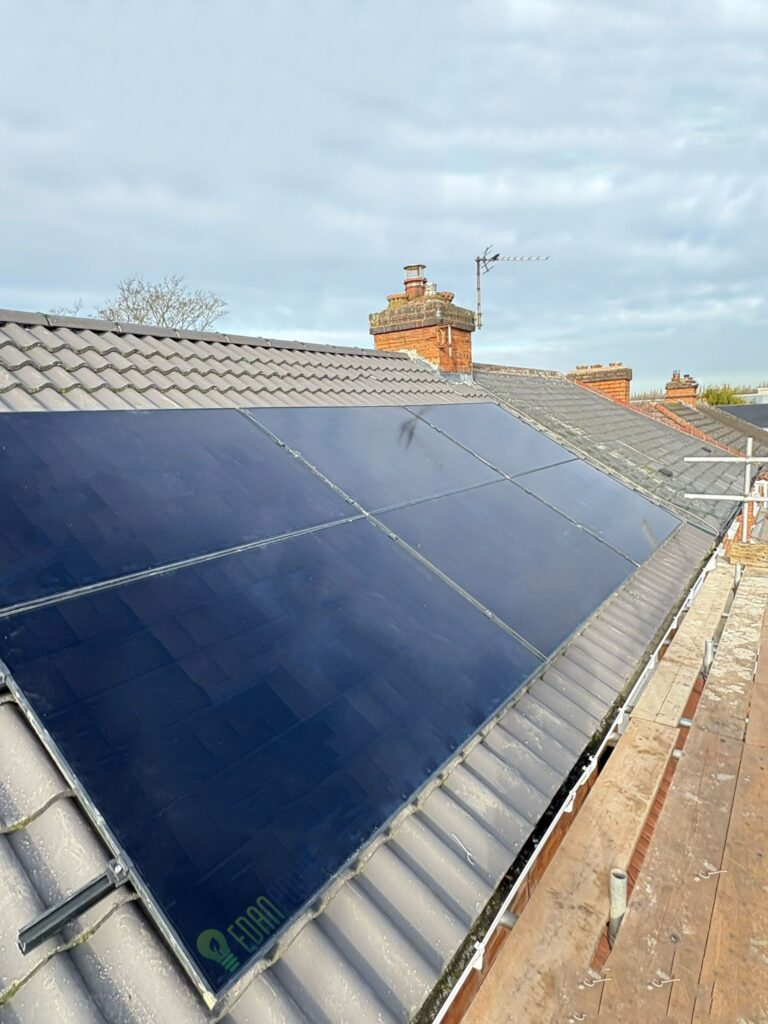
A solar panel installer can help a property owner understand the system, choose suitable equipment, and plan the installation. However, solar power is not only about fitting panels on a roof. It also involves energy use, battery storage, roof space, system size, maintenance, and long-term savings.
This guide explains the main points in simple terms. Whether you are new to solar power or ready to explore an installation, the information below can help you make a more informed choice.
What Is Solar Power?
solar power comes from sunlight. Solar panels use photovoltaic cells to turn sunlight into electricity. The electricity can then power lights, appliances, heating systems, and other equipment in a home or business.
Modern solar panels can work even when the sky is cloudy. Naturally, output is usually higher on bright days. Still, a well-planned system can produce useful electricity across the year.
The amount of power a system makes depends on several factors. These include panel size, roof direction, roof angle, shading, local weather, and equipment quality.
As a result, a solar panel installer should assess the property before recommending a system. A proper survey can identify roof limitations, possible shade, cable routes, and other practical needs.
Why Are More Homes Choosing Solar?
There are several reasons why solar panels are becoming popular. First, they can help a household generate its own electricity. Therefore, the property may need less electricity from the grid during periods of solar generation.
Second, solar can help protect households from changing energy prices. Although energy prices can rise and fall, generating some electricity at home gives the property more control over its power use.
Third, solar supports a lower-carbon approach to electricity generation. Sunlight is renewable, so it does not need to be burned or consumed to create power.
A solar panel installer can also explain how the system may work with existing household habits. For example, using washing machines or dishwashers during periods of strong solar generation can help make better use of the electricity produced.
How Do Solar Panels Work?
A solar panel contains photovoltaic cells. When sunlight reaches these cells, they create direct current electricity. An inverter then changes this electricity into alternating current, which most household appliances use.
The system can supply electricity to the property first. If the panels produce more electricity than the home needs, the extra power may be stored in a battery or exported to the grid, depending on the system and available arrangements.
This simple process makes solar a useful part of modern home energy planning.
What Does a Solar Panel Installation Include?
A typical solar installation can include several key parts:
Solar panels
Inverter
Mounting system
Electrical protection equipment
Monitoring equipment
Cabling
Optional battery storage
The mounting system holds the panels safely on the roof. Meanwhile, the inverter manages the electricity produced by the panels. Monitoring tools can help homeowners see how much electricity the system generates.
A solar panel system may also work with an optional battery. Battery storage can save surplus electricity for later use. For example, stored power may be useful in the evening when the panels are no longer producing electricity.
How Does Battery Storage Help?
Solar generation and household demand do not always happen at the same time. Solar production is often strongest during daylight hours, while many households use more electricity in the evening.
A battery can help bridge this gap. Instead of sending all surplus electricity away, the system can store some of it for later use.
However, battery storage is not essential for every property. The right choice depends on electricity use, solar generation, available space, budget, and the owner’s goals.
A solar panel installer can review these factors and explain whether battery storage makes sense for the property.
Choosing the Right System Size
There is no single solar system size that suits every home. A small household with low electricity use may need fewer panels. A larger property with higher demand may benefit from a bigger system.
Roof size also matters. A roof with limited usable space may restrict the number of panels that can be installed. Shade from trees, chimneys, nearby buildings, or other structures can also affect output.
For this reason, homeowners should avoid choosing a system based only on panel numbers. Instead, they should look at expected electricity use, roof conditions, future needs, and budget.
A solar panel installer should explain these points clearly before work begins.
Solar Panels and Energy Efficiency
Solar panels work best as part of a wider energy plan. Improving insulation, reducing wasted electricity, and choosing efficient appliances can all help.
For example, a well-insulated home may need less energy for heating. LED lighting can also reduce electricity use. Smart controls may help households manage heating and other equipment more efficiently.
As a result, solar should not be viewed as a stand-alone solution. It can form one part of a wider approach to energy efficiency.
Solar Panels in Birmingham and the West Midlands
Interest in solar panels Birmingham has grown as more households look for ways to manage electricity costs. Homes across Birmingham and the wider West Midlands have different roof types, property sizes, and energy needs.
Some properties may have large south-facing roof areas, while others may have east- or west-facing roofs. Shading can also vary from one street to another.
Therefore, a local property assessment is important. A solar panel installer with knowledge of the area can consider the building, roof, access, and likely installation requirements.
Homeowners can also explore solar panels as part of a longer-term home improvement plan.
What Should You Check Before Installation?
Before choosing an installer, it is sensible to check several things.
First, look at the company’s experience and previous work. Next, ask what equipment will be used and whether the products are suitable for the property. It is also useful to understand the warranty terms and what support is available after installation.
You should also ask for a clear quotation. It should explain the main equipment, installation work, expected system size, and any additional costs.
A solar panel installer should communicate clearly and avoid making unrealistic promises about savings. Solar performance depends on many real-world factors, so a good assessment should explain both benefits and limits.
For homeowners in the region, Edan Power aims to provide clear advice and practical support. The company can be considered a trusted solar panel installer Edan Power with excellent customer support for people exploring solar solutions.
How Much Maintenance Do Solar Panels Need?
Solar panels usually need relatively little maintenance. However, that does not mean they should be ignored.
Dirt, leaves, bird mess, and other debris can affect the amount of sunlight reaching the panel surface. In many cases, rainfall helps keep panels clean. Yet heavily soiled panels may need professional attention.
It is also wise to monitor system performance. A sudden drop in generation may point to an inverter issue, wiring problem, shading change, or another fault.
Regular checks can help identify problems early. Therefore, homeowners should keep an eye on their monitoring system and arrange professional support if performance changes unexpectedly.
Can Solar Increase Property Appeal?
Energy efficiency can be an attractive feature for modern buyers. A property with solar panels may offer a way to generate some of its own electricity.
However, homeowners should not install solar only because they expect a higher selling price. The main benefit should be practical energy generation and potential long-term savings.
A well-designed system can also show that the property owner has invested in efficient technology and lower-carbon energy.
Why Professional Installation Matters
Solar equipment needs careful planning and safe electrical work. Incorrect positioning, poor cable management, weak mounting, or unsuitable equipment can create problems.
That is why professional installation matters. A solar panel installer should assess the roof, plan the system, fit the equipment correctly, and explain how the system works.
Professional support also helps homeowners understand monitoring, maintenance, warranties, and future service needs.
In addition, reputable solar installation companies can help customers choose equipment that matches their property rather than simply selling the largest system available.
Frequently Asked Questions
1. Are solar panels worth it for an average home?
They can be. The value depends on electricity use, roof conditions, system cost, sunlight, and how much of the generated electricity the home uses. A proper assessment can provide a clearer picture.
2. Do solar panels work on cloudy days?
Yes. Solar panels can still generate electricity in cloudy weather. However, output is usually lower than on bright, sunny days.
3. Is a battery needed with solar panels?
No. A battery is optional. It can be useful when a household wants to store surplus solar electricity for later use.
4. How long do solar panels last?
Quality solar panels are designed for long-term use. Their performance can gradually decline over time, but they can continue producing electricity for many years.
5. Can solar panels work on east- or west-facing roofs?
Yes. East- and west-facing roofs can still work well. The best design depends on roof angle, shading, panel layout, and household electricity use.
6. How should I choose an installer?
Look for experience, clear quotations, suitable equipment, strong customer support, good workmanship, and transparent warranty information. A professional installer should also explain the system in simple terms.
7. Can solar panels reduce electricity bills?
They can help reduce grid electricity use. The amount saved depends on system size, household demand, electricity prices, and how much solar power is used at home.
Conclusion
Solar power can be a practical way to generate electricity at home while reducing reliance on the grid. With careful planning, solar panels can support lower energy costs and a cleaner approach to everyday electricity use.
Choosing the right equipment is important, but choosing the right installer matters too. A reliable solar panel installer will assess the property, explain the options, provide clear information, and install the system safely.
For households considering solar, it is also useful to think about battery storage, energy efficiency, future electricity needs, roof conditions, and ongoing support. By looking at the whole picture, homeowners can make a confident and informed decision.
With the right design and professional installation, solar can become a valuable part of a modern home energy system.