
Solar Panels for House: A Complete Guide to Benefits, Costs and Energy Savings
Today, many homeowners want to lower their electricity bills and use cleaner power. As a result, solar power has become a popular choice for homes across the UK. It helps families produce their own electricity, reduce their use of grid power and make better use of natural resources. Moreover, it can help protect households from rising energy costs.
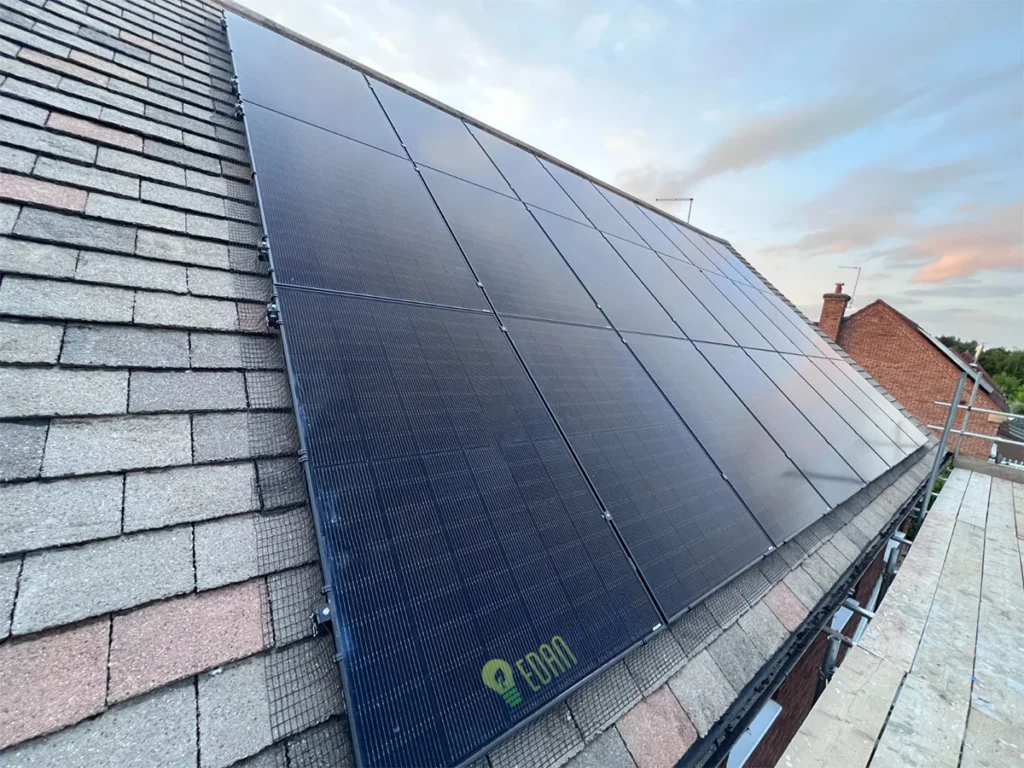
Choosing solar panels for house use is a smart step towards a more energy-efficient home. These systems turn sunlight into electricity that can power lights, televisions, washing machines, fridges and other household devices. In addition, homeowners can add a battery to store extra power for later use.
However, it is important to understand how solar power works before investing in a system. Roof space, sunlight, electricity use and installation costs all affect the final result. Therefore, this guide explains the main benefits, costs, system types and maintenance needs in simple terms.
What Are Solar Panels and How Do They Work?
Solar panels capture sunlight and turn it into electricity. They contain small units called photovoltaic cells. When sunlight reaches these cells, they create an electric current.
A typical home solar system includes several key parts:
Solar panels: These collect sunlight and produce electricity.
Inverter: This changes the electricity into a form that household appliances can use.
Battery: This stores spare electricity for use later.
Mounting system: This holds the panels securely on the roof.
Monitoring system: This helps homeowners check how much power their system produces.
For example, solar panels may produce plenty of electricity on a sunny afternoon. Your home can use that power straight away. If the system makes more electricity than you need, you may be able to store the extra in a battery or export it to the grid.
To learn more about the basic science, read about solar and how sunlight supports renewable power.
Why Should You Consider Solar Panels for Your Home?
There are several reasons why homeowners choose solar power. First, it can lower the amount of electricity they buy from their energy supplier. Second, it offers a cleaner way to meet some of their daily power needs.
Here are the main benefits to consider.
1. Lower Your Electricity Bills
One of the biggest benefits of solar panels for house use is the chance to reduce electricity costs. When your panels generate power, your home can use it instead of buying the same amount from the grid.
For example, running a washing machine during daylight hours may allow you to use more of your own solar electricity. Similarly, charging an electric vehicle when your panels produce spare power can help reduce charging costs.
However, the amount you save depends on your system size, energy use, weather and electricity tariff. You should also consider the cost of installation before deciding whether solar power suits your budget.
2. Use Cleaner Energy
Traditional electricity generation can produce greenhouse gas emissions. Solar power, on the other hand, creates electricity without burning fuel during normal operation.
Therefore, using solar power can help reduce the carbon footprint linked to your household electricity use. It also supports the wider move towards renewable power.
Solar systems do require materials and energy to manufacture. Even so, they can generate useful electricity over many years. For households that want a more eco friendly lifestyle, this can be a valuable benefit.
3. Reduce Your Dependence on the Grid
Energy prices can change over time. As a result, many households want more control over how they produce and use electricity.
With solar panels for house installations, you can generate some of your own power rather than relying entirely on your supplier. This can be especially helpful during sunny periods when your panels produce plenty of electricity.
Nevertheless, most standard grid-connected systems still rely on the electricity network when solar production is low. Solar panels alone also do not usually provide power during a grid outage. A suitable battery system with approved backup equipment may offer backup power, depending on its design.
How Much Do Solar Panels Cost in the UK?
The price of a solar installation depends on several factors. These include the number of panels, the type of equipment, roof access and the complexity of the work.
A small system usually costs less than a larger one. However, a bigger system may produce more electricity if your home has enough roof space and suitable conditions.
Your total installation cost may include:
Solar panels and inverter
Roof mounting equipment
Electrical wiring and safety devices
Labour and installation work
Battery storage, if required
Scaffolding and other access equipment
It is wise to compare detailed quotes from qualified installers. In addition, check what each quote includes so that you can compare the same items.
Do not choose a system based on price alone. Equipment quality, installer experience, warranties and aftercare also matter. A reliable installer should explain the expected output and likely savings without promising results that the system cannot guarantee.
Is a Solar Battery Worth Adding?
A solar battery stores electricity that your panels produce but your home does not need straight away. You can then use this stored power later, such as during the evening or early morning.
For example, your panels may produce extra electricity while you are at work. Instead of exporting all that power, a battery can store some of it for use when you return home.
Before choosing storage, learn more about a battery and how it stores energy.
A battery may help you use more of your own solar electricity. However, it adds to the initial cost of the system. The financial benefit depends on the battery price, its usable capacity, your electricity tariff and how often you charge and discharge it.
Therefore, compare the expected savings with the cost of buying and installing the battery. Some households may benefit from a battery straight away, while others may prefer to install solar panels first and add storage later.
Choosing the Right Solar System for Your Property
Not every home needs the same setup. The best system depends on your roof, daily electricity use and budget.
When planning solar panels for house installation, consider the following points.
Roof Direction and Condition
A roof with good access to sunlight can support strong solar generation. South-facing roofs often receive plenty of sunlight in the UK. However, east-facing and west-facing roofs can also work well.
Your installer should check the roof’s condition before fitting the panels. If major repairs are needed, it may be sensible to complete them first.
Available Roof Space
The number of panels your roof can hold affects the system’s potential output. Chimneys, roof windows and nearby trees may reduce the space available or create shade.
A professional assessment can help determine how many panels will fit and whether the layout suits your needs.
Household Electricity Use
Think about when your family uses the most electricity. If you use appliances during the day, you may consume more solar power as it is generated.
If most of your electricity use happens in the evening, a battery or a change in appliance schedules may help you use more of your solar generation.
System Size
A larger system can produce more electricity, but it also costs more. Therefore, choose a size that matches your energy needs, available roof space and budget.
An experienced installer can estimate annual output and explain the likely benefits of different system sizes.
Energy Saving Tips to Get More from Solar Power
Installing panels is only one part of improving home energy use. You can also change a few daily habits to make better use of the electricity your system produces.
Here are some simple steps.
Run appliances during daylight: Use washing machines and dishwashers when solar output is high.
Charge devices earlier: Charge suitable devices during sunny hours where practical.
Check your energy use: Use a monitoring app to understand when your panels generate the most power.
Improve home insulation: Better insulation can reduce the amount of energy needed for heating.
Choose efficient appliances: Energy-efficient products can help reduce your total electricity demand.
Review your tariff: Compare import rates and export payments to understand how to get more value from your system.
These small changes can support your energy saving goals. They may also help you money save over time by reducing waste and making better use of the electricity you generate.
Solar Panels Birmingham: What Should Local Homeowners Know?
Homeowners considering solar panels for house installations in Birmingham should assess their roof, electricity use and installation options before making a decision.
Birmingham receives changing weather throughout the year. However, solar panels can still generate electricity on cloudy days, although their output usually falls when sunlight is weaker.
Local homeowners should ask installers to estimate annual generation using the property’s location and roof details. They should also check whether trees, nearby buildings or chimneys create shade.
If you own a business, solar power may also help reduce daytime electricity costs. You can explore the services offered by solar panels birmingham to learn more about commercial solar installation options.
When comparing installers, check their qualifications, insurance, warranties and aftercare. A clear quote should explain the equipment, installation work and expected system performance.
How to Choose a Trusted Solar Panel Installer
The quality of the installation can affect how safely and effectively your system works. Therefore, take time to check the installer before signing a contract.
Look for a company that explains your options in plain English. It should also assess your property and provide a clear breakdown of the costs.
Consider these important checks:
Confirm relevant electrical and installation qualifications.
Ask about product warranties and workmanship guarantees.
Check whether the company has suitable insurance.
Request an estimate of annual electricity generation.
Find out how the installer handles repairs and aftercare.
Make sure the quote lists all expected costs.
For homeowners planning a new system, a trusted solar panel installer Edan Power with excellent customer support can help make the process clearer. You can explore the available services and learn more about solar panel installation options.
A good installer should also explain the limits of solar technology. This includes seasonal changes in output, the effect of shade and the difference between estimated savings and guaranteed savings.
Maintenance: How to Keep Solar Panels Working Well
Solar panels usually need little routine maintenance. Even so, regular checks can help you spot problems early.
Start by checking the system’s monitoring display. If electricity production drops without a clear reason, there may be an issue with shading, wiring or the inverter.
You should also look for visible damage from the ground. Never climb onto a roof to inspect the panels yourself unless you have the right training and safety equipment.
Keep nearby trees under control where practical, as growing branches can cast shadows over the panels. In addition, arrange professional checks when your installer recommends them or when the system shows a fault.
Most homeowners do not need to clean their panels often because rain removes much of the loose dirt. However, heavy dirt or bird droppings may affect performance in some cases. Follow the manufacturer’s guidance and use a suitable professional if cleaning is necessary.
FAQs About Home Solar Power
1. How long do solar panels last?
Many modern solar panels are designed to work for 25 years or longer. However, their output may slowly decline over time. The actual lifespan depends on product quality, installation and maintenance.
2. Do solar panels work on cloudy days?
Yes. Solar panels can generate electricity in cloudy weather because some sunlight still reaches them. However, they usually produce less power than they would on a bright, sunny day.
3. Can solar panels power an entire house?
They can meet a large share of a home’s electricity needs under suitable conditions. However, the result depends on system size, household demand, weather and the time of day. Many homes still need grid electricity at certain times.
4. Do I need a battery with my solar panels?
No. You can use solar panels without a battery. A battery may help you store spare electricity for later, but it adds to the installation cost. Compare the likely savings before deciding.
5. Will solar panels help me save money?
They can reduce the amount of electricity you buy from your supplier. Your savings depend on the installation cost, electricity prices, solar output and how much of the generated power you use at home.
6. Do solar panels need regular cleaning?
Usually, they need very little cleaning. Rain removes much of the dust and loose dirt. However, panels may need professional attention if heavy dirt or bird droppings build up.
7. Can I export extra solar electricity?
Yes, eligible households may be able to export surplus electricity through an available export tariff. The payment rate and eligibility rules depend on your supplier and arrangement, so check the terms before choosing a tariff.
Conclusion
Solar power can help households reduce their reliance on grid electricity, manage energy costs and support a cleaner future. However, the best results come from choosing the right equipment and using the electricity wisely.
Before investing in solar panels for house use, assess your roof, review your electricity needs and compare installation quotes. Also, consider whether a battery would offer enough value for your household. Simple habits, such as running appliances during daylight, can further improve the benefits.
With careful planning and a qualified installer, solar power can become a useful long-term part of your home’s energy system. It offers a practical way to make better use of sunlight, improve energy efficiency and work towards lower electricity bills.