
Solar Panels for House: A Complete Guide to Saving Money and Using Clean Energy
Introduction
Energy costs continue to rise, so many homeowners now look for better ways to power their homes. One popular choice is solar power. It helps people produce their own electricity, reduce energy costs and protect the environment. Moreover, modern solar systems offer better performance and work well with many types of homes.
Installing solar panels for house use can be a smart step towards a cleaner and more affordable future. These systems use sunlight to produce electricity, which you can use for everyday tasks. For example, you can power lights, televisions, washing machines, fridges and other home appliances.
However, before choosing a system, it is important to understand how solar power works, what equipment you need and how much you could save. This guide explains the main benefits, costs, installation process and useful tips in simple language.
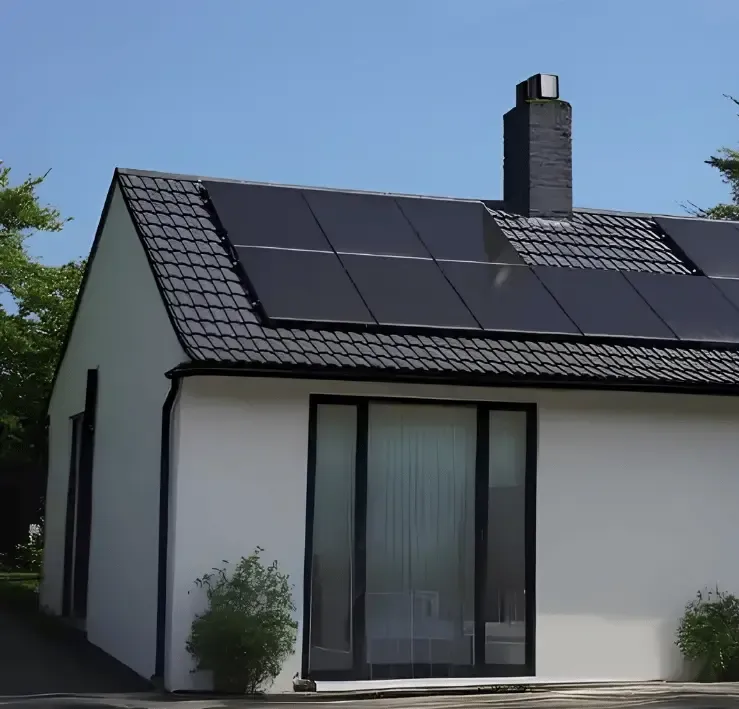
What Are Solar Panels and How Do They Work?
A solar panel is a device that turns sunlight into electricity. It contains many small solar cells, which usually use silicon to collect sunlight and create electrical power.
In simple terms, sunlight reaches the solar cells and creates direct current (DC) electricity. An inverter then changes this into alternating current (AC) electricity. Your home uses AC electricity to run everyday appliances.
As a result, you can use the power produced by your roof instead of buying all your electricity from an energy supplier.
The amount of power you produce depends on several factors, including:
The size of your solar system.
The direction and angle of your roof.
The amount of sunlight in your area.
The quality and efficiency of the panels.
Shade from trees, buildings or chimneys.
The condition and age of your equipment.
Therefore, a professional survey can help you choose the right system for your property.
Why Should You Install Solar Panels for House Use?
There are several reasons why homeowners choose solar power. Besides reducing electricity costs, it can also support a cleaner lifestyle.
1. Reduce Your Electricity Bills
One of the biggest benefits of solar power is the chance to lower your electricity bills. When your system produces electricity, your home can use it straight away.
Consequently, you may need less electricity from the national grid. This can help you save money over time.
For example, if your washing machine runs during sunny hours, it may use electricity produced by your own roof. Similarly, you can power other appliances with your solar energy.
However, your savings depend on how much electricity you use and when you use it.
2. Use Clean and Eco-Friendly Energy
Traditional electricity generation often relies on fossil fuels. These fuels release greenhouse gases, which contribute to climate change.
Solar power offers a cleaner alternative because it uses sunlight to generate electricity.
Furthermore, solar energy produces no direct carbon emissions while generating electricity. Therefore, choosing solar panels can help reduce your household’s environmental impact.
If you want to make your home more eco friendly, solar power is a useful place to start.
3. Reduce Your Dependence on the Grid
Electricity prices can change over time. However, generating your own power gives you more control over your household energy use.
With solar panels for house installations, you can produce some or most of the electricity your home needs during suitable daylight hours.
In addition, a battery can store extra electricity for later use. This means you can use stored power in the evening or during periods when sunlight is low.
4. Improve Your Property’s Energy Appeal
Many buyers now consider energy efficiency when looking for a property. A home with a solar system may attract people who want lower running costs and a more sustainable lifestyle.
However, the effect on property value depends on the local housing market, system ownership and installation quality.
What Equipment Do You Need for a Home Solar System?
A complete solar system includes several important parts. Each part plays a role in producing, converting or storing electricity.
Solar Panels
The panels collect sunlight and turn it into DC electricity. You can choose from different types, including monocrystalline and polycrystalline panels.
Monocrystalline panels often offer higher efficiency and work well where roof space is limited.
Solar Inverter
The inverter changes DC electricity into AC electricity. This allows your home appliances to use the power produced by your panels.
A good inverter also helps monitor system performance and manage electricity production.
Solar Battery
A battery stores extra electricity that your panels produce during the day.
You can then use this stored power when the sun goes down or when your panels produce less electricity.
Before choosing a battery, consider its storage capacity, power rating, warranty and compatibility with your inverter.
Mounting Equipment
Mounting equipment holds the panels securely on your roof. Installers use suitable brackets, hooks and rails to support the system.
The correct mounting equipment helps protect your roof and keeps the panels stable in different weather conditions.
Monitoring System
A monitoring system lets you check how much electricity your panels produce. Some systems also show your household energy use and battery charge.
As a result, you can understand your energy habits and make better choices.
How Much Can You Save With Solar Power?
The amount you save depends on your electricity consumption, system size, installation cost and local energy prices.
For example, a household that uses more electricity during daylight hours may benefit from solar power because it can use the electricity as soon as the panels produce it.
On the other hand, homes that use most of their electricity in the evening may benefit from adding a battery.
Here are some useful ways to improve your savings:
Run washing machines during daylight hours.
Use dishwashers when solar production is high.
Charge suitable devices during the day.
Choose energy-efficient home appliances.
Monitor your electricity use.
Store extra electricity in a suitable battery.
Moreover, avoid choosing a system based only on its price. A well-designed installation can offer better long-term value.
Is a Solar Battery Worth Installing?
A battery is a useful addition to many home solar systems. It stores electricity that your panels produce but your home does not use straight away.
For example, your panels may produce more electricity than you need at midday. Instead of exporting all the extra power, you can store some of it in a battery.
Later, you can use this electricity during the evening when your household needs more power.
However, batteries add to the initial installation cost. Therefore, you should compare the cost of storage with your expected energy savings.
Consider these points before buying one:
How much electricity does your home use each day?
Do you use more power during the evening?
What battery capacity do you need?
Does your inverter support battery storage?
What warranty does the manufacturer offer?
A professional installer can assess your energy use and recommend a suitable option.
Choosing the Right Solar Panels for Your Home
Not every house needs the same solar system. Therefore, you should consider your property, energy needs and future plans before making a decision.
Check Your Roof Space
Your roof should have enough suitable space for the panels. South-facing roofs often receive strong sunlight in the UK. However, east-facing and west-facing roofs can also work well.
An installer should check the roof angle, condition and possible shading before recommending a system.
Understand Your Energy Use
Check your electricity bills to understand how much power your household uses.
For instance, a family with several electrical appliances may need a larger system than a small household with low electricity use.
Compare Panel Efficiency
Panel efficiency shows how well a panel converts sunlight into electricity.
Higher-efficiency panels can produce more power from a smaller roof area. However, they may cost more than standard options.
Check Product Warranties
Always review the product and performance warranties before buying.
Also, check the inverter warranty, battery warranty and installation workmanship cover. These details can help you understand the long-term protection offered by your system.
Solar Panels Birmingham: What Should Homeowners Consider?
Homeowners looking for solar panels birmingham installations should consider their roof design, electricity use and local installation requirements.
Although Birmingham does not receive constant sunshine, solar panels can still produce electricity throughout the year. They can generate power on bright and cloudy days, although output changes with weather and daylight hours.
Furthermore, a well-planned system can help homeowners make better use of available sunlight.
Before installing a system, consider:
Roof direction and available space.
Shading from nearby buildings and trees.
Your average electricity consumption.
Battery storage requirements.
Equipment quality and warranties.
Installer experience and customer support.
Most importantly, choose a company that provides a proper survey and clear installation details.
How to Maintain Your Solar System
Solar systems generally need little maintenance. However, regular checks can help keep them working well.
Here are some simple maintenance tips:
1. Check system performance: Use your monitoring app to review electricity production. A sudden drop may indicate a problem.
2. Keep panels clear: Dirt, leaves and bird droppings can reduce performance. Arrange safe cleaning when needed.
3. Check the inverter: Look for warning lights or error messages. Contact a qualified professional if you notice unusual behaviour.
4. Arrange regular inspections: A professional can check wiring, mounting equipment and electrical connections.
5. Monitor your battery: If you have storage, check its performance and follow the manufacturer’s care instructions.
Never climb onto your roof to clean or inspect panels yourself. Instead, use a qualified service provider.
Common Mistakes to Avoid When Buying Solar Panels
Solar power can offer long-term benefits. However, poor planning may reduce the value of your investment.
Avoid these common mistakes:
Choosing a system without checking your electricity use.
Buying panels based only on the lowest price.
Ignoring roof shading.
Selecting an unsuitable battery.
Overlooking product warranties.
Hiring an installer without checking qualifications.
Forgetting to check after-sales support.
In addition, ask for a clear quotation that explains equipment costs, installation work and expected system performance.
Why Choose Edan Power for Your Solar Installation?
Choosing the right installer is just as important as choosing good equipment. A professional company can help you understand your options and select a system that meets your needs.
Edan Power provides solar installation services for homeowners looking to improve energy efficiency and reduce their dependence on grid electricity.
As a trusted solar panel installer Edan Power with excellent customer support, the company aims to help customers make informed decisions about solar technology.
From choosing suitable equipment to planning the installation, professional guidance can make the process easier.
If you are considering solar panels for house use, visit solar panel installation services to learn more about available solutions.
A suitable system can help you use clean energy, manage household electricity costs and work towards a more sustainable home.
Conclusion
Solar power offers homeowners a practical way to produce clean electricity and reduce their reliance on the national grid. It can also support a more eco-friendly lifestyle while helping households manage their energy costs.
Choosing solar panels for house use requires careful planning. You should consider roof space, panel efficiency, inverter quality, battery storage and your daily electricity needs. In addition, selecting a reliable installer can help you get the best results from your investment.
Whether you want to reduce your electricity bills, use renewable energy or make your home more energy efficient, solar power is worth considering.
With the right equipment and professional installation, solar panels for house systems can provide useful benefits for many years. Edan Power can help you explore suitable solar solutions and take a positive step towards a cleaner energy future.