
Solar Panels in Herefordshire: A Simple Guide to Clean Energy and Lower Bills
Are you looking for a simple way to cut your electricity costs and use cleaner energy at home? Solar power could be the answer. Many homeowners in Herefordshire now look for ways to save money, reduce waste and make their homes more energy efficient. Solar technology offers a practical way to achieve these goals.
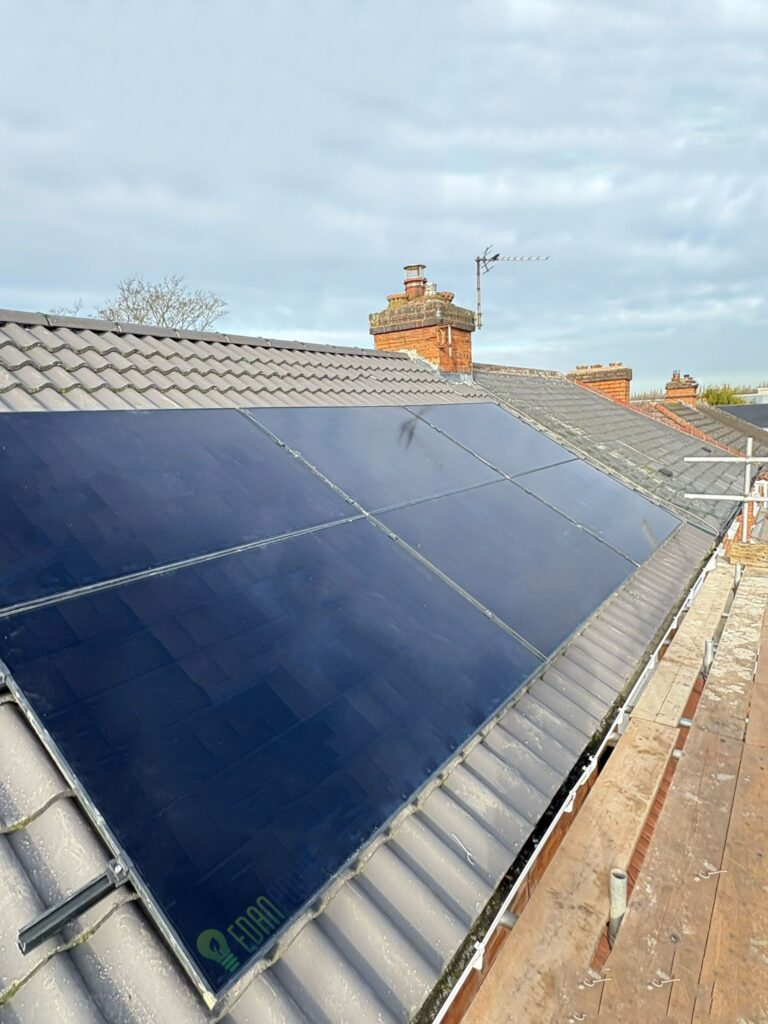
Choosing solar panels herefordshire can help you produce your own electricity from daylight. As a result, you may rely less on energy from the grid. You can also pair your system with a home battery to store extra power for later use. This can make your home more flexible and help you manage your energy use.
However, every home is different. Your roof, daily energy use and budget all affect the results you can expect. Therefore, it is worth learning how solar power works before you make a decision.
This guide explains the main benefits, costs, installation process and long-term savings. It also shows how a trusted installer can help you choose a system that suits your home.
Why Is Solar Power a Good Choice for Herefordshire?
Herefordshire has a mix of towns, villages and rural homes. Many properties have roofs that may suit solar technology. In addition, homes with suitable roof space can use daylight to generate electricity throughout the year.
Solar power does not need hot weather to work. Instead, solar panels turn daylight into electricity. They can still generate power on cloudy days, although their output may fall when the light is weak.
For homeowners considering solar panels herefordshire, three main benefits stand out.
1. Reduce Your Electricity Bills
One of the biggest reasons to install solar is the chance to lower your electricity costs. When your system generates power, you can use it to run everyday appliances.
For example, solar electricity can help power your fridge, washing machine, lights, television and other household equipment. Consequently, you may need to buy less electricity from your supplier.
You can often get more value by using electricity while your panels generate power. Running a washing machine during the day, for instance, may help you use more of your own energy.
2. Use Cleaner Energy
Solar power offers a more eco-friendly way to meet part of your home’s energy needs. It uses daylight rather than burning fuel to generate electricity at the point of use.
Therefore, a solar system can help reduce your home’s reliance on fossil fuels. Your overall environmental impact will also depend on your electricity supply, energy use and the equipment you choose.
3. Gain More Control Over Your Energy
Electricity prices can change over time. Generating some of your own power gives you more control over how much electricity you buy from the grid.
Furthermore, a well-planned system can work alongside a home battery, an electric vehicle charger or a heat pump. This can help you build a more energy-efficient home as your needs change.
How Do Solar Panels Work?
Understanding the basics makes it easier to choose the right system.
A solar energy system captures daylight and turns it into usable electricity. The energy then flows through equipment that makes it suitable for your home.
Here is how the process works:
Capture daylight: Solar cells inside each panel absorb sunlight.
Generate electricity: The cells produce direct current (DC) electricity.
Convert the power: An inverter changes DC electricity into alternating current (AC), which most household appliances use.
Power your home: Your appliances use the electricity as it becomes available.
Manage extra power: Depending on your system, surplus electricity can charge a battery or go to the grid.
As a result, you can use solar power in your daily life without changing how most household appliances work.
If you want to learn more about available systems, solar panel solutions from Edan Power provide a starting point for exploring residential solar options.
What Types of Solar Panels Can You Choose?
Not every property needs the same equipment. The best choice depends on your roof, budget and expected electricity use.
Monocrystalline Solar Panels
Monocrystalline panels are a popular option for homes. They usually offer strong output for the roof space they occupy. Therefore, they may suit properties where roof space is limited.
They often have a dark finish, which many homeowners prefer for a neat, modern look.
High-Efficiency Solar Panels
High-efficiency panels can generate more electricity from a given area under suitable conditions. They may be useful if you want to get more output from a smaller roof.
However, higher efficiency does not always mean the lowest overall cost. You should compare the complete system, including the inverter, mounting equipment, installation and warranty.
Choosing the Right System Size
A larger system can generate more electricity, but it may also cost more. Therefore, your installer should look at your annual electricity use and the space available on your roof.
A system designed around your needs can offer better value than one chosen only because it has more panels.
How Much Can You Save With Solar Power?
The amount you save depends on several factors. These include your system size, roof direction, shading, electricity tariff and the amount of solar power you use at home.
For example, a household that uses electricity during daylight may benefit more directly than one that is empty all day. Even so, a battery can help some households use more of the electricity their panels generate.
When planning solar panels herefordshire, consider these points before estimating your savings.
Daily electricity use: Homes that use more power during daylight can make better use of solar generation.
Roof direction: South-facing roofs often offer strong generation in the UK, although east- and west-facing roofs can also work well.
Shading: Trees, chimneys and nearby buildings can reduce output.
System size: The right number of panels depends on your roof and energy needs.
Electricity tariff: Your import rate and any payment for exported electricity affect the financial return.
Maintenance: Keeping equipment in good condition helps the system work as intended.
Moreover, solar savings are not the same for every household. Ask your installer for an estimate based on your actual electricity use, expected generation and likely self-consumption.
Should You Add a Solar Battery?
A home battery stores electricity for use later. It can charge when your panels generate more power than your home needs. You can then use the stored electricity when solar output falls, such as in the evening.
A battery may be useful if your household uses more electricity after sunset. It can also help you make better use of the energy your system generates during the day.
Main Benefits of a Solar Battery
Store extra solar electricity instead of using it all at once.
Power selected household appliances later in the day.
Reduce the amount of electricity you buy from the grid.
Make better use of your own renewable energy.
However, batteries add to the upfront cost. Their value depends on your electricity tariff, household habits, battery size and the price you pay for installation.
For that reason, compare the likely savings with the extra cost before deciding. You do not always need a battery when you first install solar panels. Some households may choose to add one later if their needs change and the system allows it.
What Does Solar Panel Installation Involve?
A good installation starts with careful planning. Before work begins, your installer should assess your property and explain the options.
When arranging solar panels herefordshire, the process will usually include the following stages.
Step 1: Property Assessment
The installer checks your roof, available space, roof condition and any nearby sources of shade. They may also review your electricity bills to understand your household’s needs.
Step 2: System Design
Next, the installer recommends suitable panels, an inverter and any extra equipment you need. If you want a battery, they should explain how it will work with the rest of the system.
Step 3: Installation Planning
The installer confirms the work involved, expected timescales and any relevant permissions or technical requirements. For older or unusual buildings, further checks may be needed.
Step 4: Installation and Testing
Qualified installers fit the mounting equipment, panels and electrical components. They then test the system and explain how to monitor its performance.
Step 5: System Handover
Finally, you should receive the relevant documentation, warranty details and instructions for using your system. Make sure you know how to check generation and whom to contact if a problem occurs.
A clear installation process helps you understand what you are paying for and what to expect once the system starts working.
How to Choose a Reliable Solar Installer
The installer you choose can affect your system’s safety, performance and long-term value. Therefore, it is worth comparing more than just the price.
If you are researching solar panels herefordshire, look for an installer who explains the system clearly and gives you a written quotation.
Check the following points before making a decision:
Experience: Look for relevant experience with residential solar installations.
Accreditations: Check the installer and electrical work against current UK requirements and recognised industry standards.
Clear pricing: Your quote should explain the equipment, labour and any extra costs.
Product warranties: Understand the cover offered for panels, inverters, batteries and installation work.
Generation estimates: Ask how the installer calculated the expected output and savings.
Aftercare: Make sure you know how to get help after the installation.
Edan Power can help you explore solar solutions and understand the equipment available for your property. As a trusted solar panel installer Edan Power with excellent customer support, the company aims to help customers make informed decisions about their energy needs.
You can also explore its wider work, including solar panels and solar panels birmingham for commercial solar installations.
Solar Panels for Homes and Rural Properties
Herefordshire includes traditional cottages, detached homes, farmhouses and newer developments. Each property can have different needs.
For example, a detached house may have enough roof space for a larger solar system. A smaller home may benefit from a compact, efficient design. Meanwhile, rural properties may have additional space or different roof layouts to consider.
However, a large roof does not automatically make a property suitable. Roof condition, orientation, shading and the location of electrical equipment all matter.
If you own an older property, check whether the roof needs repairs before installation. This can help you avoid the cost and disruption of removing panels later to carry out roof work.
For farms and commercial buildings, the installer should also consider daytime electricity demand. Businesses that use substantial power during working hours may be able to use a large share of their solar generation directly.
How to Make the Most of Your Solar System
After installation, a few simple habits can help you use more of your own electricity.
Run appliances during daylight. If possible, use your washing machine, dishwasher or other flexible appliances when the panels generate power.
Monitor your generation. Most modern systems offer an app or online monitoring service. Check it from time to time so you can spot unusual changes in output.
Avoid unnecessary energy waste. Turn off unused lights, improve insulation and choose efficient appliances. Solar power works best as part of a wider energy-saving plan.
Review your energy tariff. Compare import prices and export payments when your current deal ends. The right tariff can affect your total savings.
Keep the system clear of problems. Watch for damage or warning messages. Arrange professional checks when needed, and avoid climbing onto the roof yourself.
These steps can help you make better use of your investment. They may also support your wider goal to save money and cut your electricity bill.
Frequently Asked Questions
1. Do solar panels work in Herefordshire during winter?
Yes. Solar panels can generate electricity during winter because they use daylight, not heat. However, shorter days and weaker sunlight usually mean lower output than in summer.
2. Are solar panels worth installing on a cloudy day?
Solar panels still produce electricity in cloudy weather, although they generally generate less than on bright days. Your annual savings depend on the system’s total output and how much electricity you use.
3. Do I need a battery with my solar panels?
No. A battery is optional. It can help you use extra electricity later in the day, but it increases the installation cost. Compare the likely benefits with the price before choosing one.
4. How long do solar panels last?
Many modern panels carry performance warranties of around 25 years, although terms vary by manufacturer. Panels can continue working beyond that period, but their output may decline gradually over time.
5. Can solar panels reduce my electricity bills?
Yes, they can reduce the amount of electricity you buy from your supplier. The level of savings depends on your generation, energy use, tariff and system cost.
6. Do solar panels need much maintenance?
Solar panels generally need little routine maintenance. However, you should monitor their output and arrange professional help if you notice damage or a sudden drop in performance.
7. Can I install solar panels on an east- or west-facing roof?
Yes. East- and west-facing roofs can both support solar panels. They may generate less electricity over the full day than an ideal south-facing roof, but the right design can still offer good value.
8. How do I choose the right solar system?
Start with your electricity bills, roof condition, available space and budget. Then ask a qualified installer to assess your property and provide a clear estimate of costs, generation and possible savings.
Conclusion
Solar power can help Herefordshire homeowners produce cleaner electricity, reduce their reliance on the grid and manage household energy costs. With the right design, you can use solar generation during the day and, if suitable, store extra electricity in a home battery for later.
Before investing in solar panels herefordshire, consider your roof, electricity use, budget and long-term plans. Compare equipment, warranties and installation costs rather than choosing on price alone.
Finally, work with an experienced installer who explains your options and offers dependable aftercare. With careful planning and sensible energy habits, solar power can become a useful part of a more efficient home and a more eco-friendly future.