
What Factors Affecting Solar Panel Efficiency?
Solar panels are designed to turn sunlight into useful electricity. However, they do not produce the same amount of power all day or all year. Several factors can affect solar panel efficiency. These include sunlight, temperature, shading, dust, panel angle, panel quality, wiring, inverter performance, and regular maintenance.
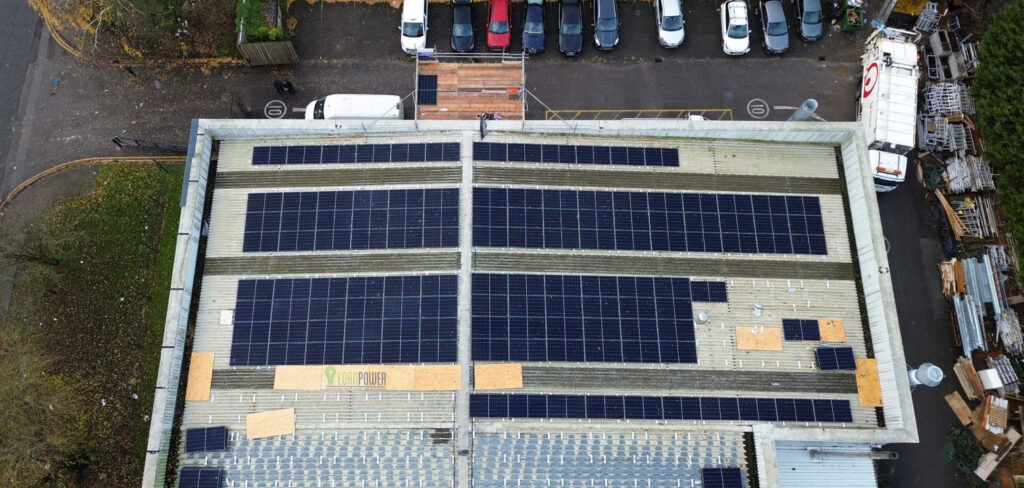
Therefore, understanding these factors is important before installing a solar PV system. In particular, businesses should study them carefully because even small energy losses can affect long-term savings. As a result, working with experienced commercial solar PV installers can help businesses design a system that makes better use of available sunlight.
1. Sunlight and Solar Irradiance
First of all, sunlight is one of the most important factors affecting solar panel efficiency. Solar cells need sunlight to create an electric current. Therefore, stronger solar irradiance usually means higher power output.
However, sunlight changes throughout the day. Morning and evening sunlight is often weaker than midday sunlight. In addition, clouds, rain, and seasonal changes can reduce the amount of sunlight reaching the panels.
For this reason, solar system designers study local solar resources before choosing the system size and panel layout. Modern PV performance models also consider solar irradiance when estimating energy production.
2. Panel Temperature
Temperature is another major factor. Many people assume that hotter weather always helps solar panels. In reality, high panel temperature can reduce their power output.
Solar cells work best at a lower cell temperature than the temperature they may reach under strong sunlight. For example, NREL’s PVWatts model uses a temperature coefficient to estimate how power changes as the panel gets hotter. Standard crystalline silicon modules can have a power temperature coefficient around -0.47% per °C in one PVWatts model configuration.
Therefore, good airflow behind the panels can help keep them cooler. Moreover, installers should avoid designs that unnecessarily trap heat.
3. Shading
Next, shading can have a strong effect on solar energy production. Trees, nearby buildings, chimneys, roof structures, and other panels can block sunlight.
Even partial shade can reduce output. Furthermore, the effect can depend on how the panels and electrical strings are connected. NREL models external shading and self-shading as factors that reduce the sunlight reaching the PV array.
Consequently, professional installers should check the site at different times of the day and year. This approach helps identify possible shade from nearby objects before installation.
4. Dust, Dirt and Soiling
Another common factor is soiling. Dust, dirt, pollen, bird droppings, pollution, and other materials can collect on the panel surface..
As a result, less sunlight reaches the solar cells. NREL notes that soiling is affected by location and weather. High-traffic or polluted areas can experience greater losses when rain or cleaning does not remove the dirt.
Therefore, regular inspection and suitable cleaning can help maintain system performance. However, cleaning should follow the panel manufacturer’s guidance to avoid surface damage.
5. Panel Orientation and Tilt
Panel position also matters. Ideally, panels should receive strong sunlight for as much of the day as possible. Therefore, orientation and tilt should match the site and the local sun path.
For commercial buildings, roof direction can limit the available options. Nevertheless, a good design can often use different roof sections while keeping energy losses under control.
In addition, installers need to consider roof structure, row spacing, access paths, and future maintenance. These factors can affect the final energy yield.
6. Solar Panel Quality and Technology
Panel technology can also affect efficiency. Modern crystalline silicon panels are widely used because they offer good performance and reliability. Meanwhile, different panel designs have different temperature responses and efficiency levels.
For example, NREL’s PVWatts data shows different approximate efficiency and temperature coefficient values for standard silicon, premium silicon, and thin-film module types.
Therefore, businesses should not choose panels based only on their headline efficiency. Warranty terms, degradation rate, temperature coefficient, build quality, and expected energy yield are also important.
7. Inverter Performance
Furthermore, the inverter plays a key role in a solar PV system. Solar panels produce DC electricity, while most commercial electrical equipment uses AC electricity. The inverter converts DC power into usable AC power.
Consequently, inverter efficiency and correct sizing can affect the amount of electricity delivered to the building. An inverter that is too small can also cause clipping when the panels produce more DC power than the inverter can convert at that moment. Research has shown that inverter clipping can affect PV performance, especially as system design and operating conditions change.
For this reason, commercial solar PV installers should carefully match the inverter with the panel array and expected load.
8. Wiring and Electrical Losses
Electrical losses can occur through cables, connectors, switches, and other system components. Although each loss may appear small, several losses together can reduce the final output.
Therefore, correct cable sizing and high-quality electrical components are important. In addition, professional installation can reduce problems caused by poor connections, unsuitable cables, or incorrect system design.
9. Maintenance and System Age
Over time, solar panels can lose some of their original performance. This process is known as degradation. Weather, heat, moisture, and long-term exposure can contribute to gradual performance changes.
However, good maintenance can help a system continue working effectively. Regular monitoring can also identify faults early. For example, a sudden drop in generation may indicate shading, inverter problems, damaged equipment, or a connection issue.
10. Why Professional Solar Design Matters
Ultimately, solar panel efficiency depends on many factors working together. Sunlight, temperature, shading, soiling, panel position, technology, inverter performance, wiring, and maintenance can all influence energy production. NREL’s commercial PV research also identifies factors such as technology, bifaciality, shading, downtime, inverter losses, DC-to-AC ratio, and degradation as important influences on system performance.
Therefore, businesses should look beyond the panel’s advertised efficiency. A well-designed system can make better use of the available roof area and reduce avoidable energy losses.
When choosing commercial solar PV installers, businesses should look for experience in system design, site assessment, electrical planning, monitoring, and maintenance. In this way, the solar PV system can be designed around the building, local conditions, energy use, and long-term goals.
Conclusion
In conclusion, many factors affect solar panel efficiency. Strong sunlight can increase production, while high temperatures, shade, dirt, poor positioning, electrical losses, and equipment problems can reduce it. Similarly, panel quality and regular maintenance can influence long-term performance.
Therefore, businesses should consider the whole solar PV system rather than focusing on panel efficiency alone. With careful planning, quality equipment, good installation, and regular monitoring, a commercial solar system can produce reliable clean energy for many years.
- Read More Blogs: –
Why Is the Biggest Problem With Solar Panels? A Simple Guide for Homeowners - Why Do People Ask, “Is There a 1500 Watt Solar Panel?
- Solar Installers UK: A Complete Guide to Choosing the Right Solar Installation Company
- https://edanpower.co.uk/advice/why-do-people-ask-is-there-a-1500-watt-solar-panel/Why Do People Ask, “Is There a 1500 Watt Solar Panel?