
Why Does Your Electricity Bill Change After Installing a Solar Panel?
So, you are thinking about going solar, or maybe you already did it. Either way, you probably want to know one thing: how much will a solar panel actually change your electricity bill? That is a fair question. After all, the whole point of spending money on a solar panel is to save money later. In this blog, we will break down exactly what happens to your bill after a solar panel setup, why it changes, and what you should expect in real life.The answer can vary. It depends on things like energy use, system size, and local electricity prices. Even so, the savings can be impressive. In many cases, businesses cut their energy bills by 50% to 90%.
What’s more, solar technology is now more affordable than ever. As a result, many companies see a quicker return on their investment. At the same time energy prices continue to rise. For that reason, solar is becoming an even smarter choice.
In this guide, you will learn how commercial solar works. You will also see how much money a business can save. On top of that, you will discover why a solar energy system can be a great long-term investment.
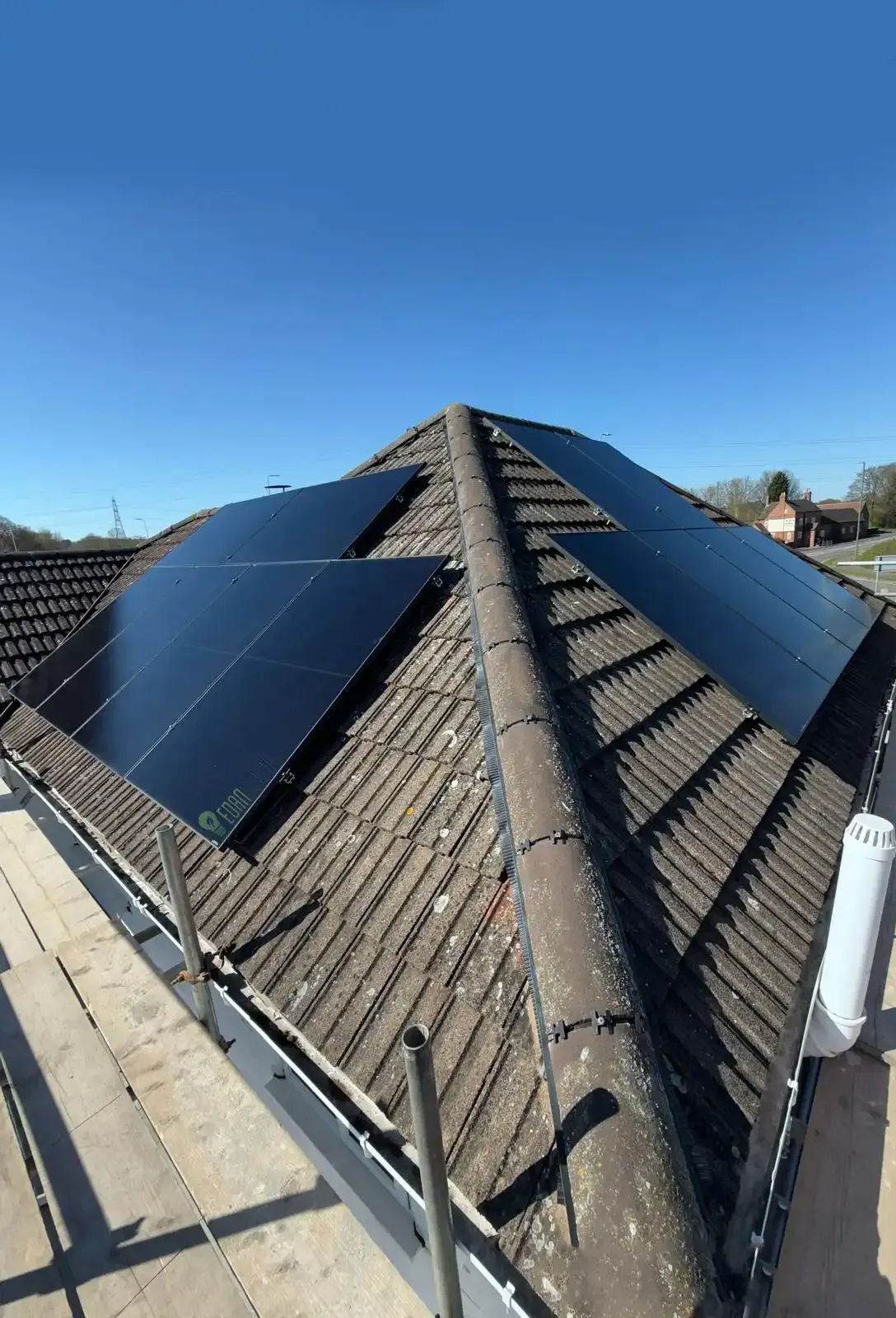
Why Do People Install a Solar Panel in the First Place?
Most people install a solar panel because their electricity bill is too high. Every month, the bill keeps rising, and it feels like there is no end to it. So, a solar panel feels like a smart fix. It uses sunlight, which is free, and turns it into electricity for your home.
Because of this, your home depends less on the power grid. As a result, you pay less to your electricity provider. However, the amount you save depends on a few things, such as the size of your solar panel system, your location, and how much electricity you use daily.
How Does a Solar Panel Actually Reduce Your Bill?
A solar panel works by capturing sunlight and converting it into electricity through solar cells. This electricity then powers your home appliances, lights, fans, and other devices. So, instead of buying all your electricity from the grid, you make some of it yourself.
For example, if your home uses 10 units of electricity a day, and your solar panel produces 7 units, you only need to buy 3 units from the grid. Therefore, your bill drops by a large amount. Additionally, if your panel produces more electricity than you use, many providers let you send that extra power back to the grid. In return, you get a credit on your bill. This is often called net metering, and it plays a huge role in how much your bill changes.
What Happens to Your Bill in the First Few Months?
When you first install a solar panel, your bill usually does not become zero right away. Instead, it becomes much smaller compared to before. Why does this happen? Well, your panel may not cover 100% of your electricity needs unless it is sized perfectly for your home.
During the first few months, you might also notice your bill changes with the seasons. For instance, in summer, when the sun shines longer, your solar panel produces more electricity. So, your bill is lower. On the other hand, in winter, with shorter days and less sunlight, your panel produces less power. As a result, your bill might be slightly higher than in summer, but still much lower than before you had solar.
Does the Solar Panel Pay for Itself Through Bill Savings?
Yes, it does, but it takes time. This is called the “payback period.” On average, a solar system pays for itself in 4 to 8 years through bill savings alone. After that point, the electricity your solar panel produces is basically free, since you have already recovered the cost of installation.
So, think of it this way: for the first few years, your bill savings are slowly paying back the cost of your solar panel. After that period ends, every rupee or dollar you save is pure profit. This is why people often say a solar panel is not just an expense, but an investment.
What Factors Affect How Much Your Bill Changes?
Several things decide how much your electricity bill will change after a solar panel installation. Let’s go through them one by one, in simple terms.
The first factor is system size. A small solar panel system might only cover a part of your daily usage, while a larger one could cover almost all of it. Naturally, a bigger system means bigger savings on your bill.
The second factor is sunlight availability. Areas that get more sunlight throughout the year will see better results from their solar panel. Meanwhile, areas with frequent clouds or rain might see slightly lower output.
The third factor is your electricity usage pattern. If your home uses most of its electricity during the day, your solar panel can directly power those devices. However, if you use more electricity at night, you might need a battery storage system to get the most benefit.
The fourth factor is the type of billing plan you have. Some areas offer net metering, where extra solar power is credited back to you. Other areas may have different rules, so it helps to check with your local electricity provider.
How Can You Calculate Your Expected Bill Savings?
Calculating your expected savings is not as hard as it sounds. First, look at your current average monthly bill. Then, find out how much electricity your solar panel is expected to produce per month. This information is usually given by your solar panel installer birmingham.
Next, compare the two numbers. If your solar panel produces close to or more than what you use, your bill could drop to almost nothing, except for small fixed charges that some providers add. On the other hand, if your solar panel covers only half your usage, expect your bill to be roughly half of what it used to be.
Many online solar panel calculators can also give you a rough estimate before you install anything. So, it is a smart idea to use one of these tools before making a final decision.
Does Solar Panel Maintenance Affect Your Bill Savings?
Yes, it can, but only a little. A solar panel does not need much maintenance. Mostly, you just need to clean it once in a while to remove dust, dirt, or leaves. If your solar panel gets too dirty, it produces less electricity, which means smaller savings on your bill.
Therefore, regular cleaning helps your solar panel work at its best. Most people clean their solar panel every few months, and this small effort keeps the system running efficiently for years. So, do not skip this simple step if you want to keep enjoying lower electricity bills.
Final Thoughts on How a Solar Panel Changes Your Electricity Bill
To sum it all up, a solar can bring a major change to your monthly electricity bill. In most cases, the bill drops significantly, often by half or more, right from the start. Over time, as the system pays for itself, those savings turn into real money in your pocket.
Of course, the exact change depends on your system size, location, usage habits, and local billing rules. But one thing is clear: a solar is one of the smartest ways to take control of your electricity bill and reduce it for years to come. So, if you have been thinking about it, now might be the right time to take that step toward lower bills and cleaner energy.