
Solar Panels Birmingham: A Complete Guide to Solar Energy for Homes and Businesses
Solar power is a smart way to make better use of natural energy. Across Birmingham, more homeowners and businesses are looking for ways to lower electricity bills and reduce their impact on the environment. As energy costs change, solar power offers a useful way to produce electricity on your own roof.
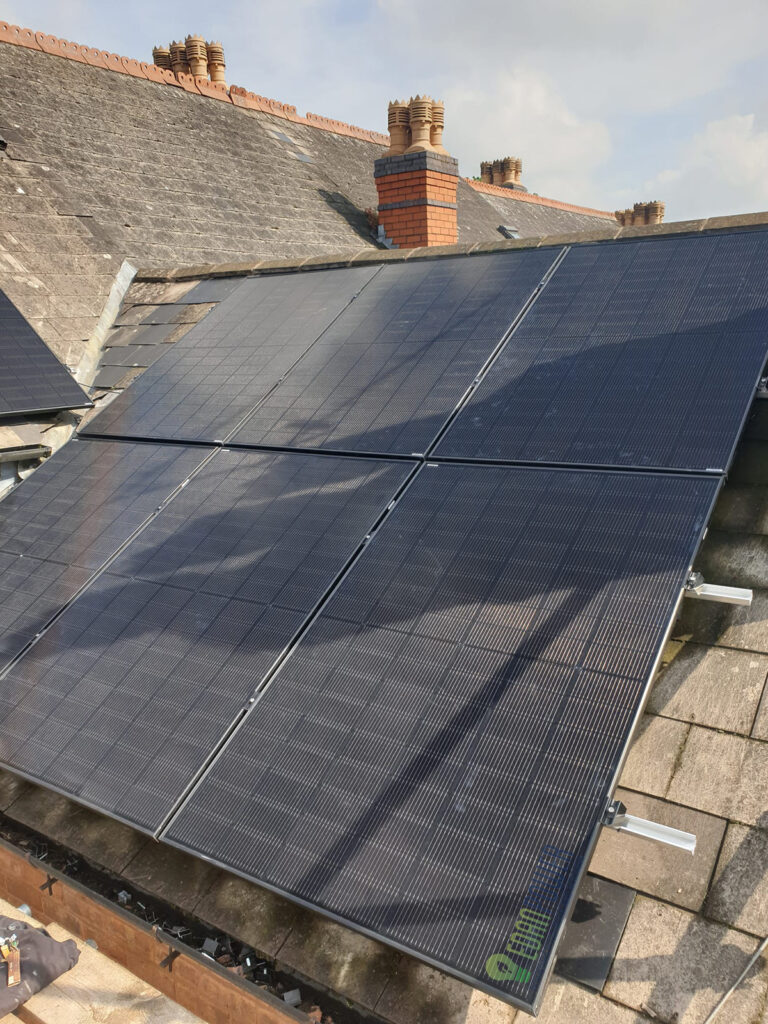
Choosing solar panels birmingham can help you generate clean electricity from daylight. You can use this power to run lights, appliances, office equipment and other electrical devices. Moreover, a suitable solar system can help reduce your need to buy electricity from the grid.
However, it is important to choose the right system for your building. Roof size, shade, energy use and budget all affect the results. Therefore, understanding how solar power works can help you make a better choice.
This guide explains the main benefits of solar power, how installation works, what affects performance and why the right installer matters. It also covers batteries, maintenance and useful tips for homes and commercial properties.
What Are Solar Panels and How Do They Work?
Solar panels use sunlight to produce electricity. They contain small units called solar cells, which convert light into electrical energy. This process is known as the photovoltaic effect.
Although sunlight helps solar panels produce more power, they can still generate electricity on cloudy days. However, their output usually falls when the sky is overcast or daylight is weak.
A typical solar system has several key parts:
Solar panels: These collect daylight and produce direct current (DC) electricity.
Inverter: This changes DC electricity into alternating current (AC), which most buildings use.
Mounting system: This holds the panels securely on the roof.
Metering equipment: This helps measure electricity use and, where supported, exported power.
Battery: This stores spare electricity for later use when a compatible battery system is installed.
Together, these parts form a system that can supply electricity to your home or business. You can learn more about solar energy and how it supports modern power systems.
Why Choose Solar Panels Birmingham?
Birmingham has a mix of homes, shops, offices, warehouses and industrial buildings. Many of these properties have roofs that may suit solar installation. As a result, solar power can be a useful option for different types of buildings.
One key benefit is the chance to lower electricity costs. When your panels produce power, your building can use it instead of buying the same amount from the grid. This can make a real difference if you use electricity during daylight hours.
In addition, solar power can help you plan your energy use. For example, you could run a washing machine, charge suitable equipment or operate business machinery when your panels are producing more electricity.
There are other benefits too:
Lower grid use: Generate some of the electricity you need.
Cleaner power: Use renewable energy and reduce reliance on fossil fuels.
Better energy planning: Match your electricity use to solar production.
Battery options: Store spare power for use later.
Long-term value: A well-planned system can provide benefits for many years.
However, the results depend on your property and how you use electricity. Therefore, a proper survey is important before you make a decision.
Solar Panels for Homes in Birmingham
For homeowners, solar power can help meet everyday electricity needs. Lighting, televisions, computers, washing machines and kitchen appliances all use electricity. A suitable solar system can supply part of this demand during the day.
First, consider how much electricity your household uses. A home with people working during the day may use more solar power directly than a home that stays empty until evening. However, you can often change the timing of some activities to make better use of your solar generation.
Next, look at your roof. A roof with good daylight exposure and little shade is often suitable for solar panels. Roof direction, pitch, condition and available space also matter.
It is also wise to consider future needs. For example, you may plan to buy an electric vehicle or install a heat pump. These changes could increase your electricity use, so discussing them with your installer can help you choose a suitable system.
Ultimately, the best solar setup is one that fits your home, budget and daily routine.
Commercial Solar Panels for Birmingham Businesses
Businesses often use more electricity than homes. Shops need lighting and tills, offices use computers and heating controls, while warehouses may run machinery and ventilation equipment. Therefore, commercial solar power can offer useful savings when electricity use matches solar production.
For many businesses, daytime electricity demand is a key advantage. Solar panels can generate power while staff work and equipment runs. This allows the business to use more of its own electricity instead of buying it from the grid.
Commercial solar may also support wider environmental goals. A business that uses renewable electricity can make progress towards reducing its carbon footprint. In turn, this may support its sustainability plans and help it explain its environmental work to customers.
Before installation, a business should review:
Its yearly electricity use.
The amount of usable roof space.
Roof condition and load capacity.
Daytime and seasonal energy demand.
Installation costs and expected savings.
Battery storage and future expansion needs.
For more information, visit solar panels birmingham to explore commercial solar installation services.
How to Choose the Right Solar Panel System
Every property is different, so one system will not suit everyone. The right size depends on your energy use, roof space, budget and plans for the future.
Start by checking your electricity bills. These show how much power you use and help an installer understand your needs. Next, consider when you use the most electricity. If most of your demand occurs during the day, you may be able to use a larger share of the power your panels generate.
Panel quality is another important factor. Look for products with clear specifications, suitable warranties and support from the manufacturer. Your installer should also explain the inverter, mounting equipment and expected system performance.
Do not choose a system based on price alone. A low quote may not include every part of the work. Instead, compare the equipment, installation details, warranties and aftercare offered by each company.
A trusted solar panel installer Edan Power with excellent customer support can help you understand your options and choose a system that suits your property.
Should You Add a Solar Battery?
A solar battery stores spare electricity for later use. For example, your panels may generate more power than your home needs at midday. A battery can store some of this excess energy so you can use it in the evening.
This can increase the amount of solar electricity you use yourself. It may be helpful if your household uses most of its power after sunset or if your business needs electricity beyond daylight hours.
However, a battery adds to the initial cost of a solar system. Its value depends on your electricity tariff, daily demand, battery size and charging pattern. Therefore, it is important to compare the expected savings with the purchase and installation costs.
You can read more about how a battery stores and supplies electrical energy.
Remember that a standard grid-connected solar system does not automatically provide backup power during a power cut. Backup operation depends on the system design, inverter and suitable electrical equipment.
What Affects Solar Panel Performance in Birmingham?
Solar panels can work well in the UK, even though the weather is often cloudy. They need daylight rather than constant hot sunshine. However, the amount of electricity they produce changes throughout the year.
Several factors affect performance.
Roof direction and angle: These influence how much daylight reaches the panels. A suitable roof can help improve generation throughout the year.
Shade: Trees, chimneys and nearby buildings may block sunlight. Even partial shade can affect output, depending on the system design.
Panel quality: Different products have different power ratings and efficiency levels. Your installer should explain which options suit your roof.
Weather and seasons: Longer summer days often support higher generation. Winter days are shorter, so output may fall.
Maintenance: Dirt, debris or damaged equipment can affect performance. Regular checks can help identify problems early.
An installer should assess these factors before giving you an estimate. This makes it easier to set realistic expectations about generation and savings.
Solar Panel Installation: What to Expect
The installation process usually begins with a survey. During this visit, the installer checks your roof, electrical setup, available space and energy needs. They can then recommend a system and explain the expected cost.
Once you approve the design, the installer arranges the work and checks any relevant permissions or requirements. The installation team then fits the mounting system, secures the panels and connects the electrical equipment.
After the work, the system should be tested and explained to you. You should know how to view its output, understand any monitoring app and contact the installer if a problem occurs.
A professional installation should also include clear information about warranties, paperwork and ongoing support. For larger commercial projects, the design may need extra checks to suit the building and its electricity demand.
Solar Panels Nottingham: Options Beyond Birmingham
Solar power is also worth considering in other parts of the Midlands. For example, solar panel nottingham is a useful search term for homeowners and businesses exploring renewable electricity in Nottingham.
The same basic principles apply in both cities. Roof space, shade, electricity use and equipment quality all affect how well a system performs. However, every property needs its own assessment.
Whether you own a house, office, shop or warehouse, compare your current electricity use with the likely output of a suitable solar system. Also, consider future plans, such as an electric vehicle or battery storage.
By focusing on your own needs rather than choosing a system based only on location, you can make a more informed decision.
Understanding Solar Energy and Long-Term Savings
Solar panels produce electricity that you can use in your building. This may reduce the amount you buy from your energy supplier. Any spare electricity may also qualify for export payments, depending on your tariff, supplier and eligibility.
However, solar panels do not make electricity bills disappear in every case. You may still need grid power at night, during periods of low generation or when your demand exceeds solar output. You may also have standing charges and other costs.
To estimate the financial benefits, consider the full installation price, expected electricity generation, the amount you will use directly, export payments and maintenance needs.
It is also useful to review your electricity tariff. The cost of imported power and the payment for exported electricity can affect the value of your system. Therefore, use realistic figures rather than relying on a single savings claim.
For a simple explanation of the term, read the energy definition.
Maintaining Your Solar Panels
Solar panels generally need little routine attention. Still, it is sensible to check your system from time to time.
Use the monitoring system, if available, to look for unusual drops in generation. If output falls without a clear reason, contact your installer for advice. You should also arrange a professional inspection if you notice damaged panels, loose cables or warning messages.
Do not climb onto the roof to clean or repair panels yourself. Roof work can be dangerous, and unsuitable cleaning methods may damage the equipment. Instead, follow the manufacturer’s guidance and use qualified professionals when needed.
Keep your installation documents, warranty details and service records in a safe place. This will make it easier to get support if a fault occurs.
Frequently Asked Questions
1. Do solar panels work in Birmingham’s cloudy weather?
Yes. Solar panels can generate electricity from daylight, even when the sky is cloudy. However, they usually produce less power when sunlight is weak.
2. Can solar panels reduce my electricity bills?
Yes. You can reduce the amount of electricity you buy from the grid by using the power your panels generate. Your savings depend on system size, energy use, tariff and generation.
3. Are solar panels suitable for commercial buildings?
Many shops, offices, warehouses and other commercial properties may suit solar installation. A survey can check roof space, structural needs and electricity demand.
4. Do I need a battery with my solar panels?
No. A battery is optional. It can store spare solar electricity for later, but its extra cost should be weighed against the benefits for your household or business.
5. How long do solar panels last?
Solar panels are designed for long-term use, and many come with performance warranties lasting around 25 years. Actual lifespan and output depend on the product, installation and conditions.
6. Do solar panels need regular cleaning?
Usually, they need little routine maintenance. However, monitoring output and arranging checks when needed can help keep the system working well.
7. Can I install solar panels on any roof?
Not every roof is suitable. Roof condition, space, angle, shade and structural strength all matter. A professional survey can help determine whether installation is practical.
8. Can solar panels power my building at night?
Panels do not generate solar electricity at night. You can use grid electricity or stored power from a compatible battery system.
Conclusion
Solar power can help homes and businesses in Birmingham produce their own electricity, reduce grid use and make progress towards cleaner energy. However, the best results come from choosing a system that matches your roof, budget and daily electricity needs.
Before making a decision, review your energy bills, check your roof and compare installation quotes carefully. Also, consider whether a battery could help you use more of the electricity your panels produce.
With good planning, suitable equipment and professional installation, solar power can be a practical long-term investment. Choosing a reliable installer with clear advice and strong aftercare will help you understand the process and get the most from your system.