
Why Is Plug-In Solar Illegal?
Plug-in solar has attracted a lot of attention in the UK. These small systems can connect to a normal household socket and produce electricity from sunlight. For many people, they sound simple, affordable and easy to use.
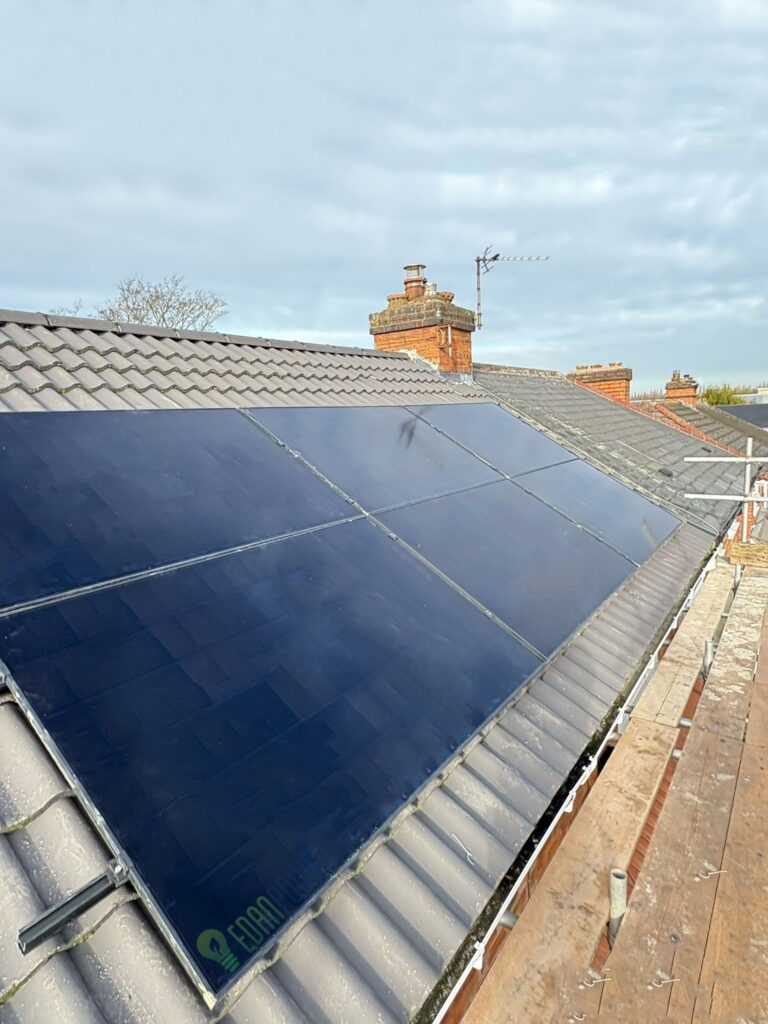
However, there is an important point to understand. Plug-in solar is no longer generally illegal in Great Britain. From 27 August 2026, compliant plug-in solar panels became legal to buy and use across Great Britain under the new regulatory arrangements. Before these changes, the situation was very different. Existing product and electrical rules did not provide a legal route for ordinary plug-in solar devices.
This change matters for homeowners, tenants, landlords and anyone researching solar panels kidderminster. It also shows why electrical safety rules are important when new renewable technology enters the home.
What Is Plug-In Solar?
Plug-in solar is a small photovoltaic system designed to generate electricity from sunlight and connect to an existing household electrical installation through a standard UK mains socket.
A typical system may include a small solar panel or group of panels, a microinverter, mounting equipment and the required safety components. The system converts sunlight into electricity that can be used by appliances in the property.
Unlike a traditional rooftop system, plug-in solar does not normally require a new dedicated circuit. The idea is to make small-scale solar easier to install.
For example, a person may place a small solar system on a balcony, garden structure or suitable outdoor area. The electricity generated can help supply household demand.
The UK Government has described the new plug-in systems as microgenerators. Under the current approach, compliant systems can provide up to 800W of power.
That makes plug-in solar very different from a large rooftop installation.
Why Was Plug-In Solar Previously Illegal?
The answer comes down to existing electrical and product safety rules.
Before the recent regulatory changes, UK rules were designed around traditional electrical installations. Standard domestic sockets were not intended to be used as a connection point for electricity-generating equipment.
The Department for Energy Security and Net Zero explained that the issue involved the interaction between the Plugs and Sockets etc. (Safety) Regulations 1994, British Standard BS 1363 and electrical network requirements. BS 1363 did not permit plugs and sockets to connect electricity-generating equipment. As a result, plug-in solar products could not meet the existing requirements needed for lawful sale and use.
This was not simply a case of the government saying that solar power was unsafe.
In fact, the government commissioned an electrical safety study to examine how plug-in solar systems would work with UK domestic wiring. Testing found that representative systems could operate safely under defined conditions. However, the study also found differences between products, including areas such as export limitation and electromagnetic compatibility.
Therefore, the main problem was the lack of a suitable UK regulatory framework.
Why Does Plugging Solar Into a Socket Need Special Rules?
At first, plugging a solar system into a socket may sound no different from plugging in a kettle or television.
There is one major difference.
A normal appliance takes electricity from the electrical circuit. A plug-in solar system can send electricity into that circuit.
That changes how the system interacts with the home’s wiring.
Safety rules need to consider issues such as:
- electrical protection
- current flow
- inverter behaviour
- disconnection
- grid connection
- fire safety
- product testing
- installation conditions
- network protection
- accidental islanding
The term islanding is important here. A grid-connected solar inverter must stop supplying power when the mains supply is disconnected. This helps protect workers and the electrical network.
That is why a solar inverter needs suitable protection and testing rather than simply producing electricity whenever sunlight is available.
For anyone researching solar panels kidderminster, this is an important lesson. Small solar systems still connect to a wider electrical network, so their design matters.
What Changed in 2026?
The UK Government introduced a new route for compliant plug-in solar.
The changes were designed to allow suitable plug-in solar systems to connect through standard UK sockets while maintaining safety requirements.
The government response says that compliant plug-in solar devices can be sold and plugged in under the amended framework. It also introduced an interim product specification that sets minimum technical and safety requirements.
The approach also links with Engineering Recommendation G98, which covers the connection of fully type-tested microgenerators to public low-voltage distribution networks.
Ofgem approved a modification to G98 to facilitate plug-in solar PV. The modification is intended to support compliant plug-in solar while maintaining requirements for network safety, supply quality and network operation.
This means the legal position has moved from restriction to controlled use.
Does This Mean Every Plug-In Solar Product Is Legal?
No.
This is one of the most important points.
The legal change does not mean that any cheap solar panel with a plug can simply be connected to a UK socket.
The product must meet the applicable requirements.
The government’s interim product specification sets technical and safety requirements for plug-in solar systems. It covers areas such as electrical design, UK plug requirements, mounting systems, fire protection and product labelling.
So buyers should not assume that a product is suitable simply because it has a UK-style plug.
A product needs to be designed and tested for the intended UK use.
What About Traditional Solar Panels?
Plug-in solar should not be confused with a conventional rooftop solar PV installation.
A traditional system normally includes a number of larger solar panels, an inverter and electrical equipment connected as part of a planned installation.
A professional installer assesses the property, roof, electrical system and expected electricity generation. They can also consider battery storage, monitoring and export arrangements.
For homeowners considering solar panels kidderminster, a conventional solar PV system may still be a better fit when the goal is to generate a larger amount of electricity.
A rooftop installation can provide considerably more generation than a small plug-in system because it can use a larger panel array.
You can learn more about the basic concept of solar and how sunlight can be converted into electricity through photovoltaic technology.
Plug-In Solar vs Rooftop Solar
Both systems use photovoltaic technology, but their purpose and scale can differ.
Plug-In Solar
Plug-in solar is designed to be:
- small
- simple
- relatively easy to deploy
- connected through a suitable socket
- limited in output
- suitable for people who may not want a full rooftop system
Rooftop Solar
Traditional rooftop systems are generally:
- larger
- professionally designed
- installed on a roof or suitable structure
- connected as part of the property’s electrical installation
- capable of producing much more electricity
- suitable for homes and commercial buildings with higher energy demand
A rooftop system can also work with a battery to store electricity for later use.
The right option depends on the property, energy use, available space and installation requirements.
Can Plug-In Solar Reduce Energy Bills?
Yes, it can help reduce electricity purchased from the grid, provided the system generates electricity when the property needs it.
However, savings depend on several factors.
These include:
- system size
- sunlight levels
- panel position
- shading
- household electricity demand
- time of electricity use
- system efficiency
- local conditions
A small system will naturally produce less electricity than a larger rooftop array.
The UK Government has stated that plug-in solar systems can provide up to 20% of average household electricity use and could save households up to £110 a year, although actual results will vary between properties.
Therefore, consumers should treat headline savings as potential figures rather than guaranteed results.
What Role Does the Inverter Play?
The inverter is one of the most important parts of a solar system.
Solar panels produce direct current electricity. Most household appliances use alternating current.
The inverter converts the electricity into a suitable form for household use.
In a plug-in solar system, the inverter also needs to manage the connection with the household electrical circuit and the wider electricity network.
That is why a compliant product needs suitable protection and testing.
With conventional systems, installers can select equipment based on the size and design of the solar array. A solar panel system can also be designed alongside other equipment such as monitoring systems and battery storage.
What About Batteries?
The current plug-in solar rules are focused specifically on plug-in solar devices.
The government’s interim product specification states that it applies to plug-in solar products and does not extend to other plug-in technologies, such as plug-in batteries.
This distinction is important.
A solar panel system and a battery system perform different functions. Solar panels generate electricity, while a battery stores electricity for later use.
A larger home energy system can combine both.
For example, solar electricity generated during the day can be used directly by appliances. Surplus electricity may then be stored in a compatible battery for later use, depending on the system design.
What Should Homeowners Consider?
Anyone looking at solar panels kidderminster should consider the entire property rather than focusing only on the panel itself.
Start by looking at electricity consumption.
A household that uses a lot of electricity during the day may benefit from solar generation because it can use more of the electricity as it is produced.
Roof direction and shading also matter for traditional solar PV.
A south-facing roof can often provide strong solar exposure, although east- and west-facing roofs can also work well. Trees, buildings and other obstacles can reduce generation.
The electrical installation should also be considered.
A professional assessment can identify whether the property is suitable and whether additional work may be needed.
Is Plug-In Solar the Same as DIY Solar?
Not exactly.
The attraction of plug-in solar is that the system can be easier for ordinary consumers to use. However, easy installation does not mean that safety can be ignored.
Consumers should follow the manufacturer’s instructions and use products that comply with the applicable UK requirements.
Do not modify the equipment.
Do not use damaged cables or plugs.
Do not connect unsuitable equipment to a socket.
Also, avoid assuming that a product is legal simply because an online marketplace sells it.
The new framework exists precisely because plug-in generation requires specific safety and technical controls.
How Can Solar Installers Help?
A solar installer can assess whether a property would benefit from a larger solar PV system.
For example, a homeowner searching for solar panels kidderminster may be interested in a complete rooftop system rather than a small plug-in product.
A professional installer can discuss:
- solar panel capacity
- inverter size
- battery storage
- roof suitability
- shading
- expected generation
- electrical requirements
- monitoring
- future energy needs
For larger installations, choosing an experienced company can also make the process easier.
A homeowner may choose a trusted solar panel installer Edan Power with excellent customer support when looking for professional assistance with a solar project.
Solar Energy and Modern Homes
Solar power is becoming a bigger part of the UK’s energy landscape.
Modern solar systems can work alongside smart meters, home batteries, electric vehicle chargers and energy monitoring technology.
The wider goal is simple: produce more clean electricity locally and use it efficiently.
The term energy covers many forms of power used by homes and businesses. Solar electricity is one way to reduce reliance on electricity supplied from the grid.
For businesses, larger installations can also provide meaningful energy savings. For example, businesses researching solar panels birmingham may need a professionally designed commercial PV system rather than a small plug-in product.
The same basic solar technology can therefore serve very different purposes.
What Does This Mean for Homeowners Now?
The key message is that the old statement “plug-in solar is illegal in the UK” is now outdated.
As of 27 August 2026, compliant plug-in solar systems can legally be bought and used across Great Britain under the new rules.
However, consumers still need to check compliance.
The new system is not a free-for-all. Product standards, network requirements and electrical safety rules remain important.
Northern Ireland also has a different regulatory framework for electricity connections, so consumers there should not automatically assume that Great Britain rules apply.
This is especially useful to remember when reading older articles online. Many pages still say that plug-in solar is illegal because they were written before the 2026 regulatory changes.
FAQs About Plug-In Solar
Is plug-in solar still illegal in the UK?
No. Compliant plug-in solar became legal to buy and use across Great Britain from 27 August 2026. However, products must meet the applicable safety and technical requirements.
Why was plug-in solar previously illegal?
The previous regulatory framework did not provide a suitable route for electricity-generating equipment to connect through ordinary UK plugs and sockets. BS 1363 did not permit plugs and sockets to connect generating equipment, creating a barrier to legal plug-in solar products.
Can I plug any solar panel into a wall socket?
No. Only suitable, compliant plug-in solar equipment should be connected in this way. A standard solar panel cannot simply be connected directly to a household socket.
Are plug-in solar panels safe?
Government testing found that representative plug-in PV systems could operate safely under defined conditions. The new framework adds product requirements intended to manage safety risks.
Can plug-in solar work with a battery?
The plug-in solar specification does not cover plug-in batteries. Battery storage needs to follow its own applicable requirements and should not be treated as automatically covered by the plug-in solar rules.
Is rooftop solar better than plug-in solar?
The two options serve different purposes. Plug-in solar provides a small-scale option, while a professionally designed rooftop system can use a larger solar array and generate substantially more electricity.
Can I install traditional solar panels myself?
Traditional rooftop solar involves electrical, structural and safety considerations. A professional assessment and suitable installation can help ensure the system meets the relevant requirements.
What should I check before buying plug-in solar?
Check that the product is intended for UK use and meets the current applicable requirements. Follow the manufacturer’s instructions and check any property, mounting and electrical requirements before use.
Conclusion
So, why is plug-in solar illegal? The simple answer is that it was previously restricted because UK product, socket and electrical network rules did not provide a suitable legal framework for electricity-generating devices connected through ordinary sockets.
That position has now changed.
From 27 August 2026, compliant plug-in solar systems became legal across Great Britain. The new approach introduces specific technical and safety requirements while allowing small solar generators to connect through standard UK sockets.
For anyone considering solar panels kidderminster, the change creates another option for generating electricity at home. However, a small plug-in system is not the same as a full rooftop solar installation.
Traditional solar panels can provide much higher generation when a property has suitable roof space. A properly designed system can also combine solar generation with a battery, smart monitoring and other home energy technologies.
Ultimately, the important point is to choose equipment that matches the property and follows the relevant safety requirements. As solar technology develops, clear rules will help households use clean energy while keeping electrical systems safe.
For homeowners and businesses exploring solar panels kidderminster, understanding the difference between plug-in solar and professionally installed PV is the first step towards making an informed decision.