At what temperature do solar panels stop working completely?
The solar power company question many people ask is simple: at what temperature do solar panels stop working completely? The answer is that solar panels usually do not stop at one exact temperature. Instead, they slowly lose efficiency as heat rises, so they make less power even though they still keep working.
Solar panels need sunlight to generate electricity. However, too much heat can reduce their output. That is why hot weather does not always mean better solar performance. In fact, a cooler sunny day can often be better than a very hot one.
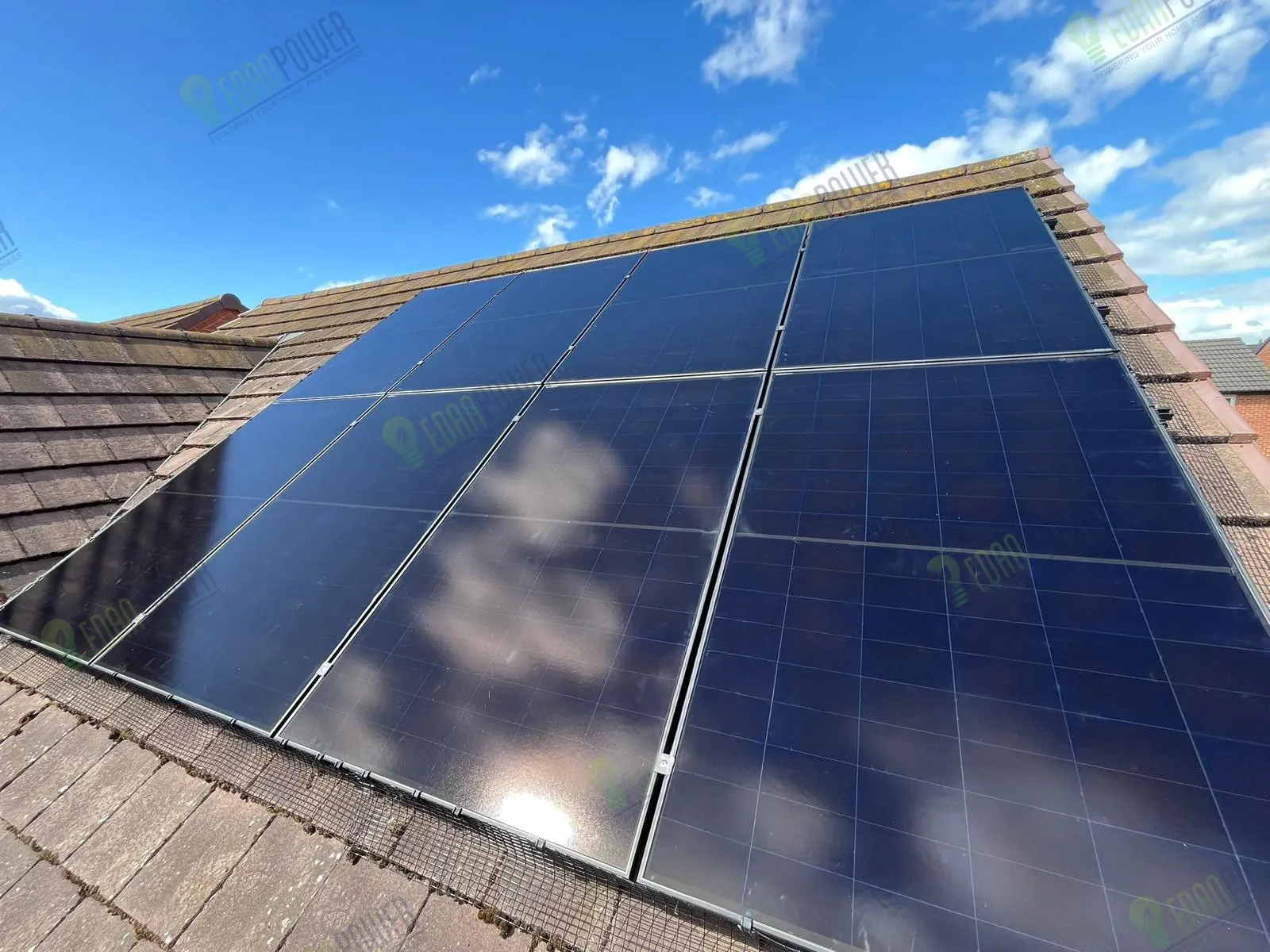
How heat affects solar panels
Solar panels are built to work outdoors in changing weather. They can handle heat, rain, wind, and strong sunlight. However, heat has a clear effect on how much electricity they produce.
When the temperature goes up, the voltage of the panel usually goes down. As a result, the panel produces less power. This does not mean it fails. Instead, it means the panel works less efficiently.
Most solar panels are tested at 25°C, or 77°F. This is the standard test temperature. So, when panels get hotter than that, their performance starts to drop. For example, many panels lose a small amount of output for every degree above that point.
Do solar panels ever stop completely?
Solar panels do not usually stop working completely just because the weather is hot. They are designed to handle high temperatures. Even so, extreme heat can reduce output enough that people think the system is not working well.
This is where many homeowners get confused. They may see strong sunshine, but the solar system makes less electricity than expected. However, the problem is not a full stop. It is mostly a heat-related drop in efficiency.
A solar power company will often explain that sunlight and heat are not the same thing. Sunlight helps panels produce energy. Heat, on the other hand, can lower the amount of energy they produce. Therefore, hotter is not always better.
How hot is too hot
There is no single temperature where every solar panel stops working. That is because different panels have different designs and temperature ratings. Still, most modern panels can work in very hot weather.
In some cases, the surface of a panel can get much hotter than the air around it. For example, on a very sunny roof, the panel temperature can rise much higher than the outside temperature. As a result, performance may drop more than people expect.
Even then, the panel usually keeps producing electricity. It may not produce the same amount as it would on a cooler day, but it does not shut off just because it is hot.
Why people think solar panels fail in heat
Many people assume solar panels should work best when the sun is strongest. That sounds logical. However, solar power birmingham depends on light, not on high heat.
Because of this, hot weather can create a false impression. The sky is bright, yet the system seems weaker. So, people think the panels are failing. In reality, they are simply losing some efficiency.
Another reason is that roof temperature can become very high. Since panels sit on roofs, they absorb heat from both the sun and the hot surface below. Therefore, poor airflow under the panels can make the problem worse.
What happens inside the panel
Solar panels are made of cells that turn light into electricity. When the cells heat up, their electrical behavior changes. As a result, they do not convert sunlight as well as they do at cooler temperatures.
This is why panel output often drops during the hottest part of the day. Interestingly, the sun may be very strong at that time, but the extra heat can still lower production. So, the timing of peak output is not always the same as peak heat.
A solar power company will often take this into account during system design. For example, it may suggest mounting methods that allow better airflow. That way, the panels stay cooler and perform better.
How much power can be lost
The amount of power loss depends on the panel type and the weather. Some panels handle heat better than others. However, most panels still lose some output when temperatures rise above the standard test point.
This loss may seem small at first. Even so, over a long hot day, it can add up. Therefore, panel temperature matters a lot in places with long summers and strong sunshine.
For homeowners, this means the system should be planned carefully. A good solar power company will not only look at sunlight hours. It will also look at roof angle, airflow, and local climate.
Can solar panels survive extreme heat
Yes, most solar panels can survive very high temperatures. They are made for outdoor use, so heat alone is usually not enough to damage them right away. However, extreme heat over time can still affect performance and, in some cases, shorten lifespan.
That does not mean you should avoid solar in hot areas. Instead, it means you should choose the right equipment. Also, you should make sure the installation is done properly.
In hot climates, panel quality matters more. Better panels usually manage heat more effectively. Therefore, a trusted solar power company can help select products that are better suited for your location.
What helps solar panels work better in heat
There are several simple ways to improve hot-weather performance. First, panels should have enough space for air to move under them. This helps reduce trapped heat.
Second, high-quality panels with better temperature ratings can perform more steadily in hot conditions. Third, keeping the system clean can help overall output, although cleaning does not directly cool the panel.
Also, shading and roof design matter. If the roof gets extremely hot, the panels may run hotter too. As a result, the installation method can affect the system’s long-term performance.
Common myths about hot weather and solar
One common myth is that solar panels stop working once they get too hot. That is not true in normal conditions. Instead, they usually just become less efficient.
Another myth is that very hot places are bad for solar energy. In reality, hot regions can still be excellent for solar power because they often get lots of sunlight. However, the system must be designed well.
A third myth is that more heat always means more electricity. That is also false. More sunlight helps, but too much heat can work against the panel.
What a solar power company should explain
A professional solar power company should explain heat loss clearly before installation. It should tell the customer that panels are not harmed by normal summer temperatures alone. It should also explain how the system will behave on very hot days.
This matters because expectations should be realistic. If a homeowner expects the same output every day, they may feel disappointed during heatwaves. However, that drop is normal and predictable.
Good guidance can prevent confusion later. Therefore, the customer knows what to expect in both mild and extreme weather. That builds trust and helps people understand how solar really works.
Frequently Asked Questions
They usually do not stop at one exact temperature. Instead, output drops gradually as the temperature rises. Even in extreme heat, most panels still work.
Not always. Solar panels need sunlight, but too much heat can reduce efficiency. So, a cool sunny day is often better than a very hot one.
Yes, they can get very hot. However, normal heat usually does not stop them completely. It mainly lowers how much power they make.
Yes, they work in summer. In fact, they often produce a lot of electricity because there is plenty of sunlight. Still, high heat can reduce output a little.
A solar power company can choose better panels, improve airflow, and plan the system for local weather. As a result, the solar setup can work more efficiently in hot conditions.
Final thoughts
So, at what temperature do solar panels stop working completely? In most cases, they do not stop at all because of heat alone. Instead, they slowly lose efficiency as the temperature rises.
That is why heat management matters. Sunlight helps solar panels produce power, but too much heat can reduce output. Therefore, the best solar setup is one that fits the local climate and allows good airflow.
A knowledgeable solar power company can guide buyers toward better panel choices and better installation methods. As a result, the system can keep working well even during hot weather.