
Solar Panel Companies Near Me | Get a Free Quote
If you are searching for solar panel installers near me, you are likely looking for a trusted company that can design and install a solar PV system at your home. Choosing the right installer is important because solar panels are a long-term investment. A good installation can help you generate clean electricity, reduce your reliance on the grid, and make better use of your roof.
However, finding a local installer is not only about choosing the company that appears first in Google. You should also check experience, certification, equipment, warranties, installation standards, and after-sales support. Therefore, it is worth comparing a few installers before you make a decision.
Get Your Free Quote
Fill in the form below and one of our solar experts will get back to you within 24 hours.

Why Search for Solar Panel Installers Near Me?
Searching for solar panel installers near me can help you find companies that work in your local area. A local installer may understand common roof types, local planning rules, weather conditions, and electrical requirements.
More importantly, a nearby installer can make the survey and installation process easier. You may also find it easier to contact the company if you need help after installation.
A professional installer should first understand your property. They can assess your roof, energy use, available roof space, shading, and electricity needs. Then, they can recommend a suitable solar PV system instead of simply selling you a fixed package. Therefore, compare the quality of the service as well as the location.
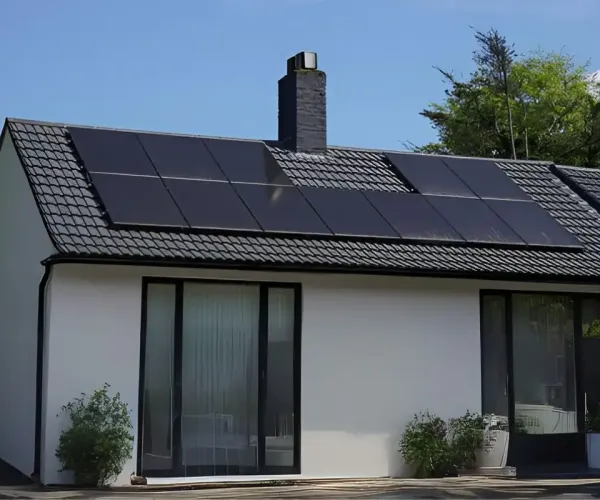
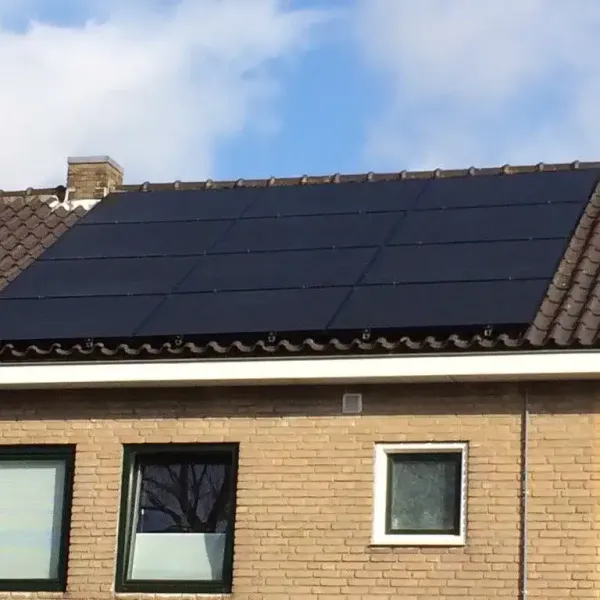
What Does a Solar Panel Installer Do?
A solar panel installer does much more than place panels on your roof. First, the installer normally carries out a property survey. This helps identify the best position for the panels and other equipment. Next, the installer designs the solar PV system. The design can include solar panels, an inverter, mounting equipment, cables, protection devices, and monitoring equipment. A battery can also be included if you want to store unused solar electricity.
After that, the installation team fits the mounting system and solar panels. They then connect the system to the inverter and your home’s electrical system.
Finally, the installer should test the system and provide the required documents. In England and Wales, solar PV installations may also involve building regulations and notification to the local Distribution Network Operator (DNO).
How Do Solar Panels Work?
Solar panels use sunlight to generate electricity. The panels contain photovoltaic cells that convert sunlight into direct current electricity. The inverter then changes this electricity into alternating current. This is the type of electricity used by most appliances in your home.
During the day, your home can use the electricity produced by the solar panels. If your system produces more electricity than you need, the extra energy can be sent to a battery or exported to the grid, depending on your system. As a result, solar panels can help reduce the amount of electricity you need to buy from your energy supplier.

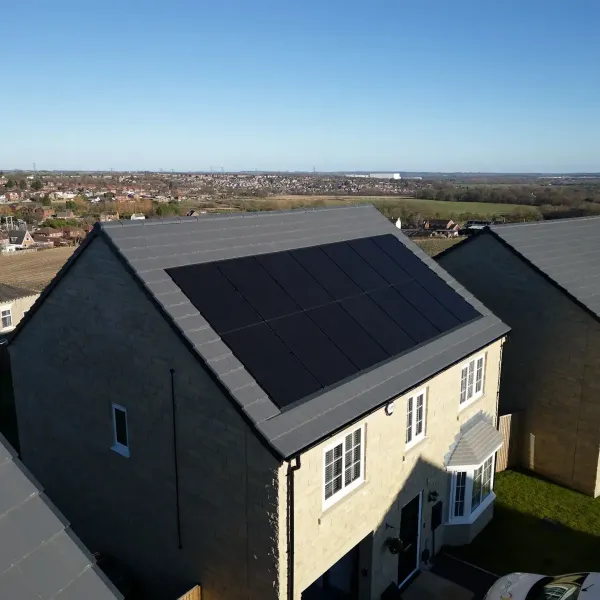
What Should You Check Before Choosing an Installer?
Certification is an important factor when choosing a solar installer. For example, MCS certification is widely used in the UK renewable energy sector. Government guidance states that MCS certification, or an equivalent recognised scheme, can be required for eligibility for the Smart Export Guarantee (SEG).Therefore, always ask an installer about their current certification and check the details yourself.
2. Experience
Experience can make a major difference. An experienced installer should understand different roof types, panel layouts, inverters, batteries, electrical connections, and system design.Furthermore, ask whether the company has completed projects similar to your property.
Also, ask about the expected system output. Solar generation depends on factors such as roof direction, roof angle, shading, system size, and local weather.
A solar installation is expected to work for many years. Therefore, the quality of the panels, inverter, mounting system, cables, and electrical components matters.Ask the installer which products they recommend and why. You should also check the product warranties and installation warranty.
4. Written Quote
A good solar quote should clearly explain what you are paying for. It should include the number of panels, system size, inverter, mounting system, installation work, warranties, and any additional equipment.Most importantly, compare quotes on a like-for-like basis. A cheaper quote may not include the same products or level of service.

What Happens After You Request a Free Quote?
When you request a free solar quote, the installer should first collect basic information about your property. This may include your location, roof type, electricity use, and energy goals.Next, they may arrange a site survey or use suitable property and roof information to prepare an initial design.
After the assessment, you should receive a clear proposal. This should explain the recommended system, expected generation, equipment, installation work, warranties, and total price.You can then compare the proposal with other installers before making your final choice.
Quick Checklist Before Choosing a Solar Installer
Check the installer’s certification.
Compare at least two or three written quotes.
Ask about panel and inverter warranties.
Check the installation warranty.
Ask about battery storage if you need it.
Confirm whether planning permission applies.
Ask about DNO notification and required certificates.